Rock Memoirs: Bob Dylan, Jimi Hendrix, John Lennon, Eric Clapton, Freddie Mercury
7 minutes
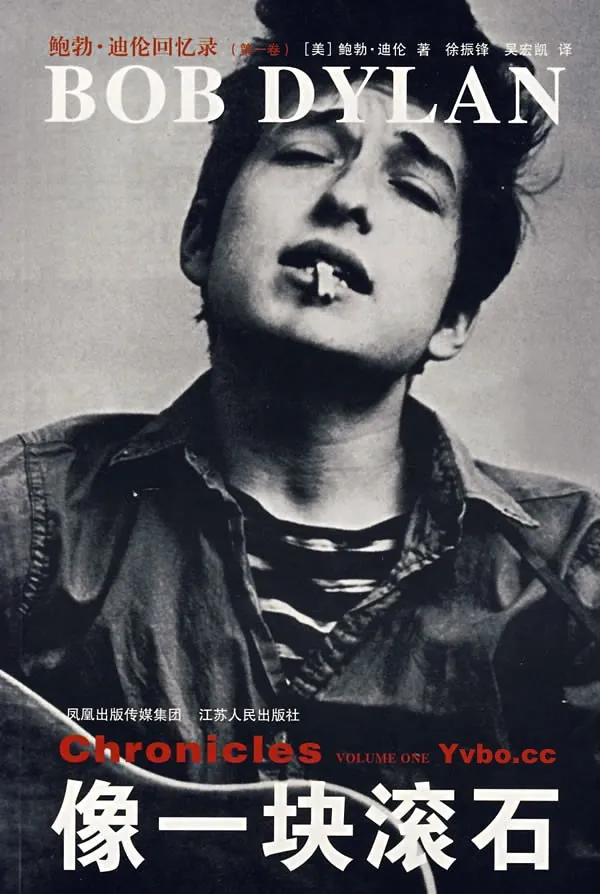
In this memoir, Bob Dylan will not tell you how to become a great musician or poet. He tells you how Bob Dylan became himself.
Dylan is an artist who defies categorization. His greatness lies in being a lifelong observer and chronicler of his times. He watches from a distance, much like the title of Todd Haynes’s Dylan biopic, I’m Not There.
In the turbulent 1960s and 1970s, Dylan stepped back from the crest of the times. An artist’s most important task is to stay true to and express what is inside, rather than become someone else’s mouthpiece. “The biggest problem was that the press saw me as a mouthpiece, a spokesman, even the conscience of a generation. That was ridiculous. All I did was sing songs. They were direct and expressed a huge new reality. People said I spoke for a whole generation, but I had almost nothing in common with them and knew even less about them. … My fate was simply to take things as they came; it had nothing to do with representing any civilization. Being true to yourself is what matters most.”
The book’s English title, Chronicles, means a record of events over time. Dylan chronicles more than his own life and musical career; more importantly, his memoir captures the vivid impressions of an era as they were reflected in an artist’s inner life.
Charles R. Cross: Room Full of Mirrors: A Biography of Jimi Hendrix
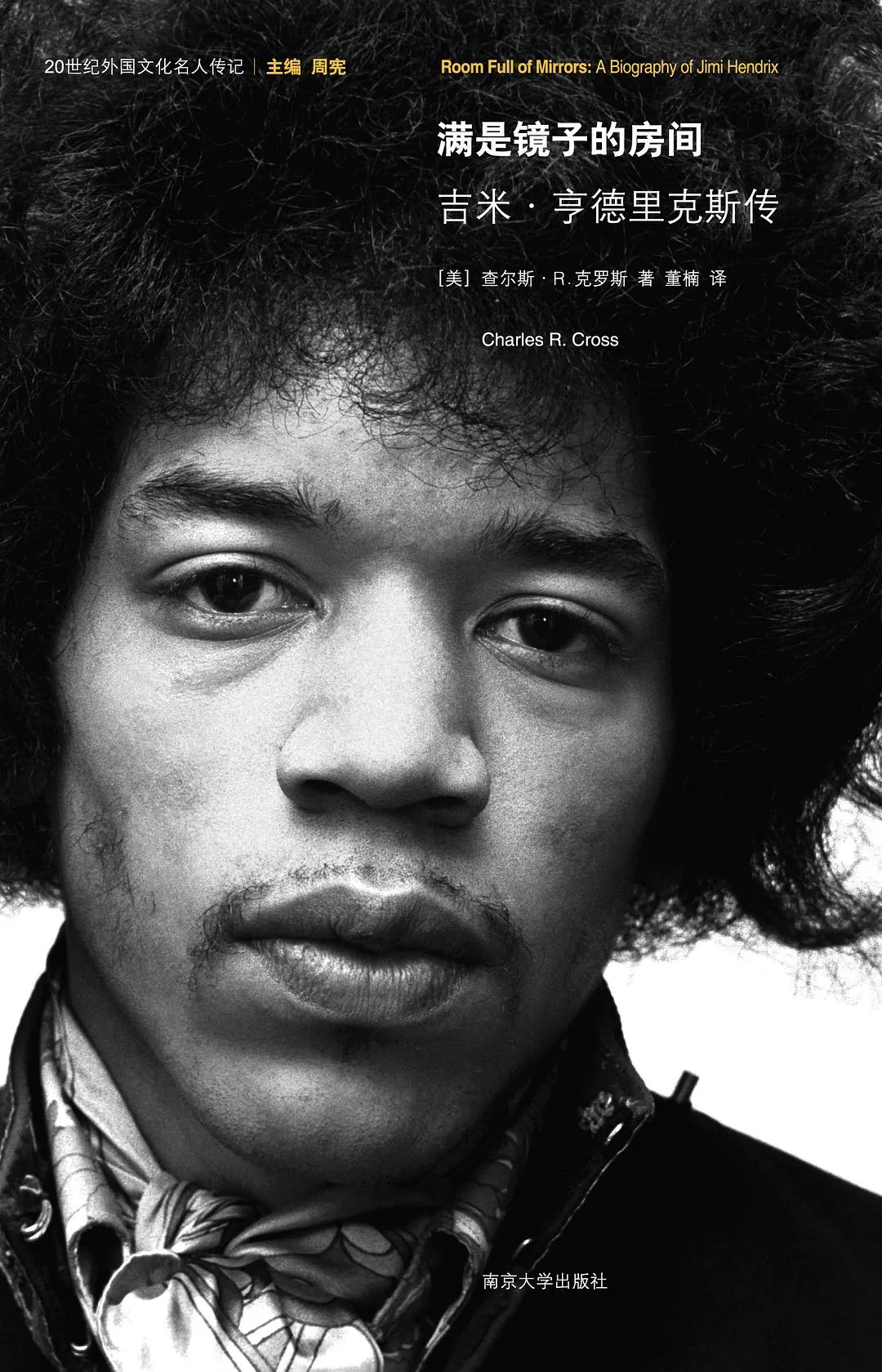
Many people, from that era to the present, can be called guitar masters. But only one is the guitar god, unmatched before or since. You could even say he was the guitar itself: Jimi Hendrix.
Rock music was still young when Hendrix appeared, but monuments to the genre were already rising. His arrival was like a supernova, outshining the brilliant stars around it. At his appearance, every true musician and fan could only marvel and rejoice.
The light of fame also weighed heavily on him. He gradually sank into drugs, alcohol, and sex, and eventually fell after a foolish accident.
Ordinary people envy genius; geniuses should take better care of themselves.
Jann Wenner: Lennon Remembers
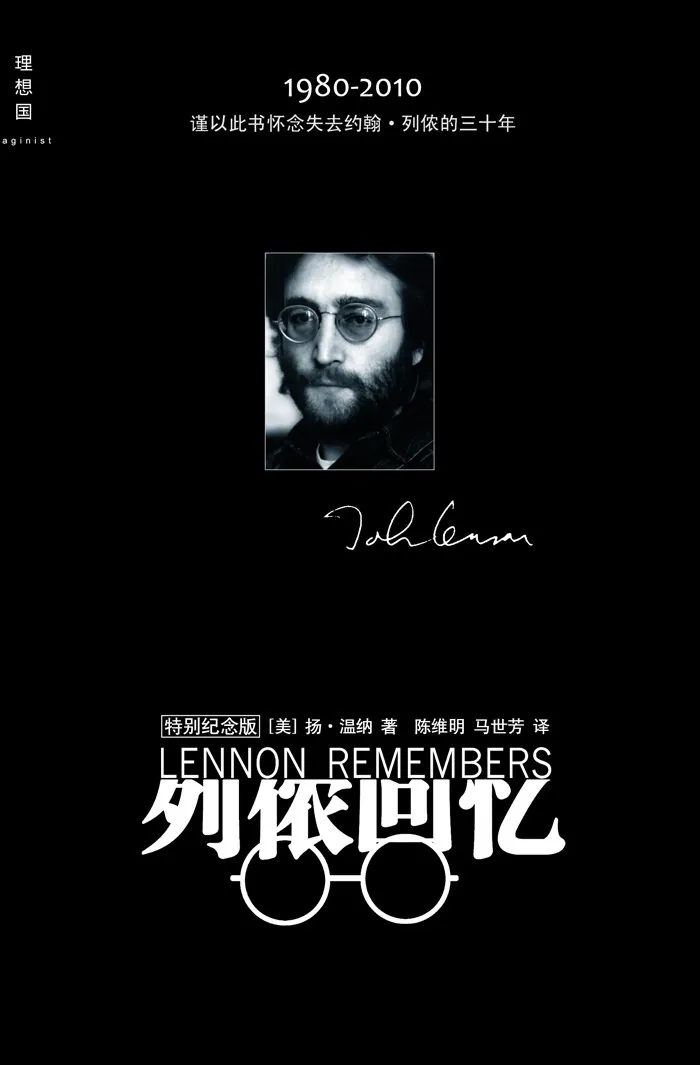
There is plenty written about the Beatles, who were “more popular than Jesus,” and about John Lennon. That is both true and false. In this media-saturated age, we know all about the words and tastes of a man who lived under the spotlight. But do we really know him? Did Lennon even understand himself?
Jann Wenner, then an unknown reporter at the small magazine Rolling Stone, sat down with Lennon for an in-depth interview and a long list of questions. In the conversation, we see a gifted and confident man, passionate about social change and remaking the world. We also see someone impatient, restless, somewhat insecure, and at times self-destructive.
This was the real Lennon: honest, an artist, and an ordinary person.
Eric Clapton: Crossroads
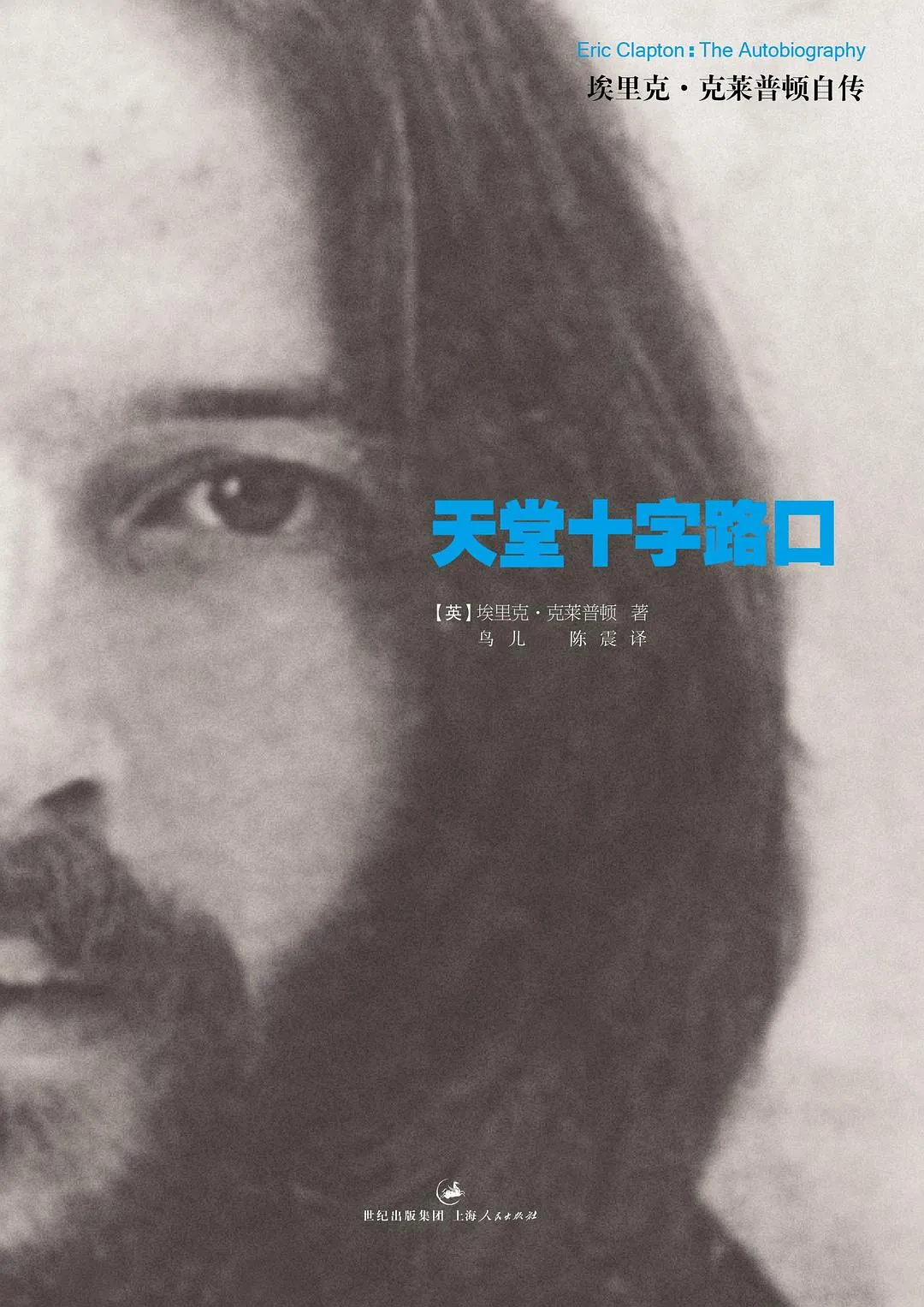
Hollywood loves stories about artists: child prodigies who become famous, self-destruct, then redeem themselves. If Eric Clapton’s life were made into a film, it would fit that familiar formula. The plot might be predictable, but the details would be fascinating. Few musicians have crossed more than forty years of rock history, worked with so many geniuses and masters, or kept so many of them as lifelong friends. To stretch a metaphor, Clapton is a crossroads where countless people have met and passed through. He has a pocketful of rock-and-roll gossip.
But the anecdotes are only decoration. The heart of the book is Clapton’s dogged commitment to music through a life of hardship. Music helped him escape poverty and find success; it also helped him find his way out of sex, drugs, and alcohol, and led him to establish a rehabilitation center for other addicts. Music was not only a voice from God but also the voice within Clapton. He knew how to listen and follow it.
Peter Freestone and David Evans: Who Wants to Live Forever? The Life of Freddie Mercury
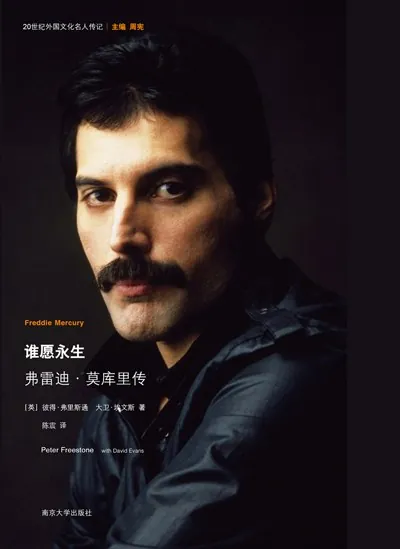
In music fans’ minds, Britain has two “queens”: Elizabeth II and the band Queen. The former appeared at the opening ceremony of the Olympics; the latter at the closing ceremony, where the band paid its highest tribute to late frontman Freddie Mercury.
Onstage, Freddie could command a crowd and entrance thousands. Offstage, he was reserved, rarely gave interviews, and avoided commercial work unrelated to music. The authors of this biography had a special vantage point and reveal many sides of his life. A descendant of Zoroastrians, he shone brilliantly onstage and lived with wild abandon, facing death without flinching.
He followed his heart, loved and suffered, shone and flourished. Who wants to live forever by simply drifting with the current?