Quentin Tarantino’s Film-Stock Obsession Goes Too Far. Where Can You See the Legendary 70mm Cut?
5 minutes
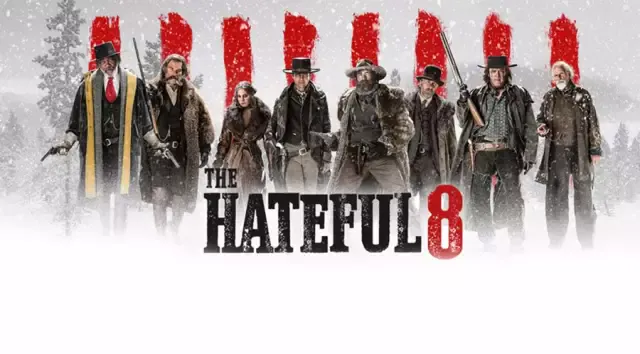
“Winter is coming! The footsteps of The Hateful Eight are getting closer!”
Quentin Tarantino’s new film, The Hateful Eight, was set to have its world premiere in 70mm at Paris’s Grand Rex on December 11. A 70mm roadshow would begin on Christmas Day, December 25, before a wide digital release on January 8.
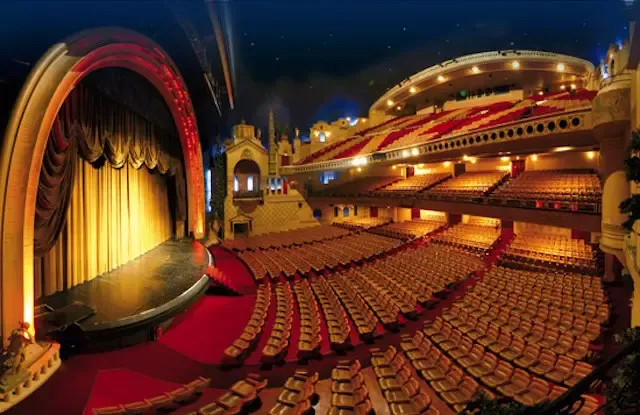
What is a roadshow?
It is not one of today’s PowerPoint presentations used to pitch investors. Roadshows emerged in the late 1950s: before a new film opened widely, it would have a special, large-scale release in selected cities. Roadshow versions often included an overture and an intermission, plus about ten minutes of footage not shown in the standard theatrical release.
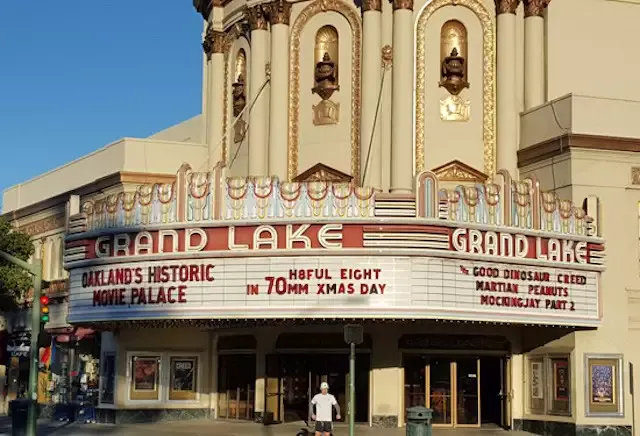 One of the roadshow venues
The 70mm roadshow version of The Hateful Eight ran 187 minutes, including a 3-minute-48-second overture and a 12-minute intermission. Because the film was projected on a single reel, the intermission counted toward the runtime. It consisted of twelve minutes of silent black screen, with intermission music beginning 45 seconds before the second half.
Tarantino had said that the standard digital release would be six minutes shorter than the film version. “70mm is different,” he said. People paying for a roadshow ticket deserved their money’s worth. He deliberately trimmed the digital theatrical cut to make the film version different from something you could watch on the sofa while eating a hot dog. The film version would include a “big, long, cool, don’t-blink” sequence.
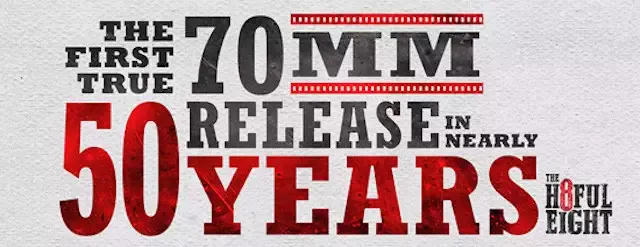 The first true 70mm film in 50 years
The film reels would be assembled in advance in California, packed in custom-made cases, and shipped to each venue. Each print weighed 100 kilograms; with its case, the total shipping weight was 159 kilograms.
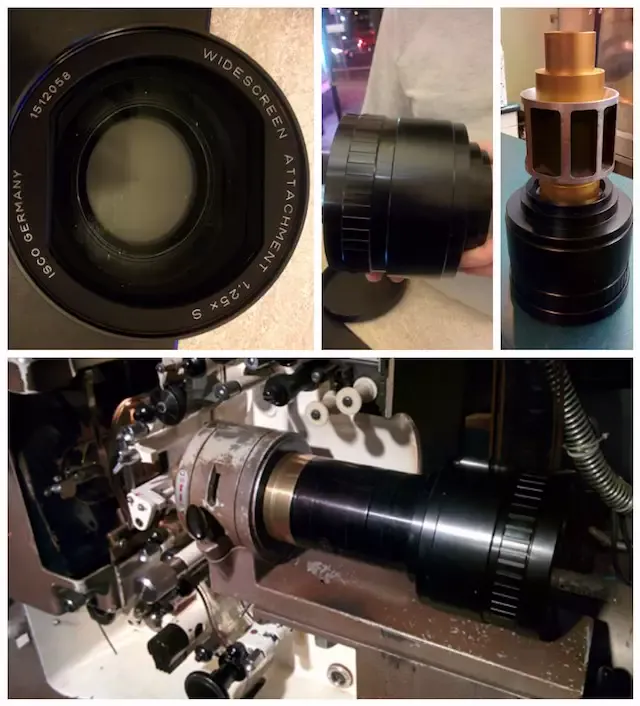 A modified projection lens
Aside from theaters that already had 70mm projection equipment, much of the gear had to be assembled temporarily. The team commissioned discontinued parts, modified projection lenses, and contacted local unions in some cities to find experienced projectionists.
Where to see the film version
At the time, only just over fifty theaters in the United States, Canada, Western Europe, and Australia could screen the 70mm version. Someone marked them on a Google Map. Readers living in a different time zone and die-hard fans could follow the map and experience the spectacle for themselves.
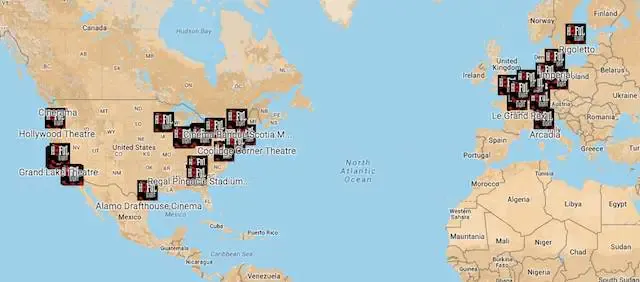 Google’s dedicated map of “The Hateful Eight” 70mm screenings: https://goo.gl/aMvnd6 Asia had no screenings yet, though, so the map was no use to viewers there.
What are they watching in 70mm?
What makes it special?
A film purist, Tarantino had attacked digital cinema at Cannes the previous year, calling it “the death of cinema.” At this summer’s San Diego Comic-Con, he kept railing against digital while hyping what made The Hateful Eight special: it was not only being shown on 70mm film; it was also the first film in fifty years shot with a Panavision Ultra Panavision 70 camera.
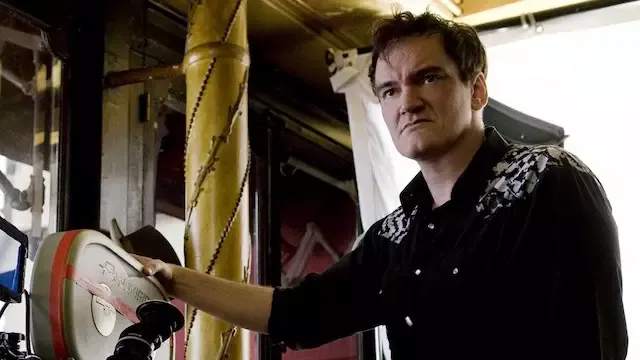 The ultimate camera has arrived
Shooting on 70mm film, twice the width of standard 35mm, produces a larger image with higher resolution, richer texture and depth, and more subtle, lifelike color and tonal range. With the Ultra Panavision 70 camera and lenses, the image would have a 2.76:1 aspect ratio.
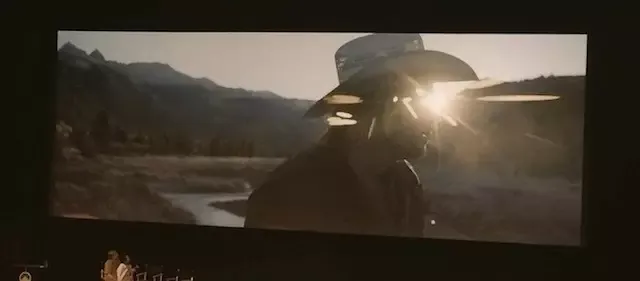 The 70mm presentation
Film history has plenty of masterpieces made with the same setup:
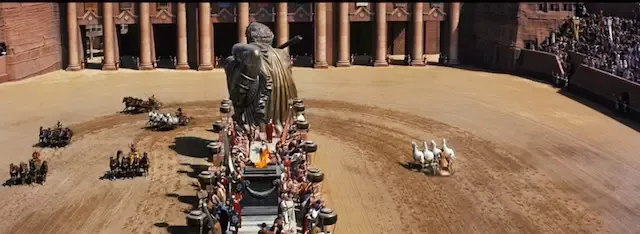 Ben-Hur (1959)
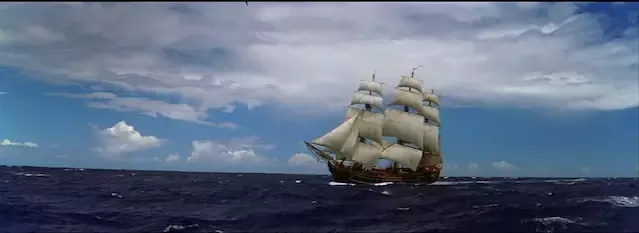 Mutiny on the Bounty (1962)
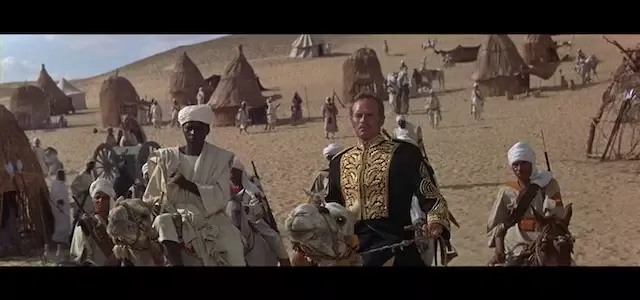 The last film shot on Ultra Panavision 70
Khartoum (1966)
Tarantino also liked to point out that there was only one set of these lenses in the world; Lawrence of Arabia had been shot with them too. His biggest worry was that filming in the freezing snow might “give these precious lenses frostbite.”
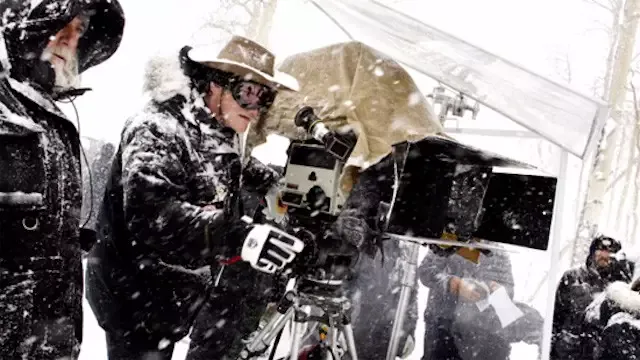 Cinematographer Robert Richardson and director Quentin Tarantino
The cinematographer, Robert Richardson, is worth mentioning. He has frequently worked with Oliver Stone and Martin Scorsese and has won three Academy Awards for cinematography: one for Stone’s JFK and two for Scorsese’s The Aviator and Hugo. Richardson has shot Tarantino’s recent films, starting with Kill Bill. This time, he seemed likely to take home another Oscar.
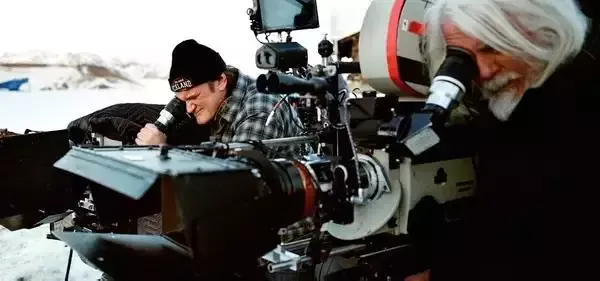 Quentin and Richardson
And there is a bonus at the end: the director, stars, cinematographer, and producer all pitch the roadshow, 70mm film, and Ultra Panavision 70.
<iframe frameborder="0" width="677" height="507.75" allow="autoplay; fullscreen" allowfullscreen="true" src="https://v.qq.com/txp/iframe/player.html?origin=https%3A%2F%2Fmp.weixin.qq.com&containerId=js_tx_video_container_0.051988443334382684&vid=e0174pdfmro&width=677&height=507.75&autoplay=false&allowFullScreen=true&chid=17&full=true&show1080p=false&isDebugIframe=false"></iframe>[Tarantino’s *The Hateful Eight* 70mm featurette](https://v.qq.com/x/page/e0174pdfmro.html)Running time: 7 min 49 sec

Cinema is a dangerous adventure