Lyon’s Miniature Movie World and Its Master Craftsman
October 21, 2015 · Zhang Fengming
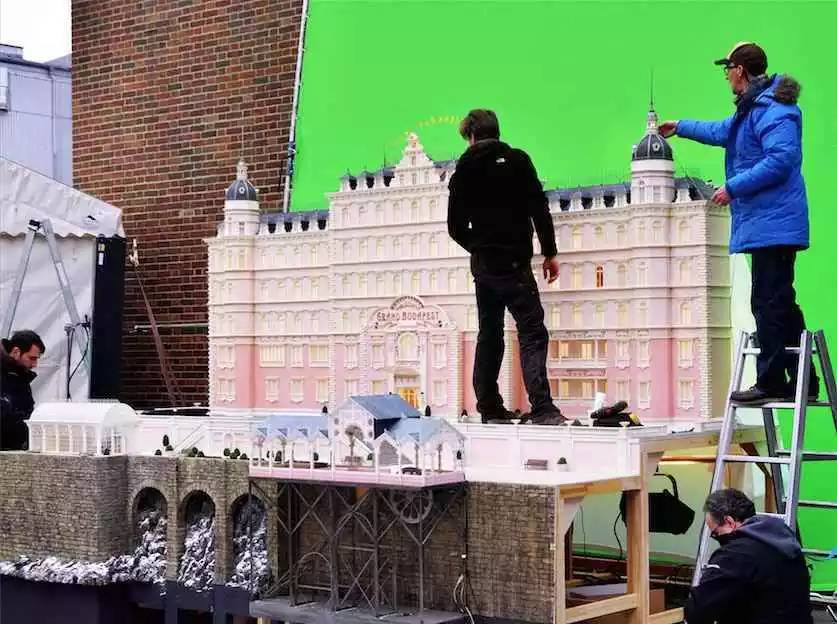
In December, Wes Anderson will exhibit his four-meter-wide, three-meter-high model of the Grand Budapest Hotel at Lyon’s “Museum of Miniature and Cinema.” That is a very long sentence… The real question is: what kind of place is this museum?
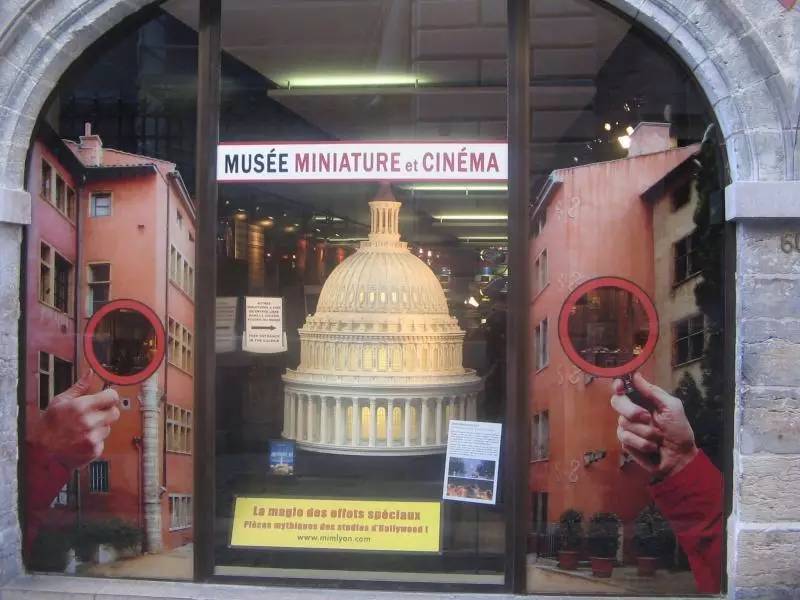
The Museum of Miniature and Cinema is housed in a sixteenth-century building in Lyon’s Old Town. Its collection has two parts: miniatures, and film sets and props. The museum holds more than 100 miniature scenes, over 300 original film props, six full-scale original sets and more than 1,000 miniature models.
It is a private collection run by a team of eleven. Hundreds of thousands of people visit each year. Most of its funding comes from ticket sales, with no subsidies. Let’s take a free tour.
Tour of the Lyon Museum of Miniature and Cinema
Runtime: 2:39
The Director: A Master Craftsman with an Artistic Soul
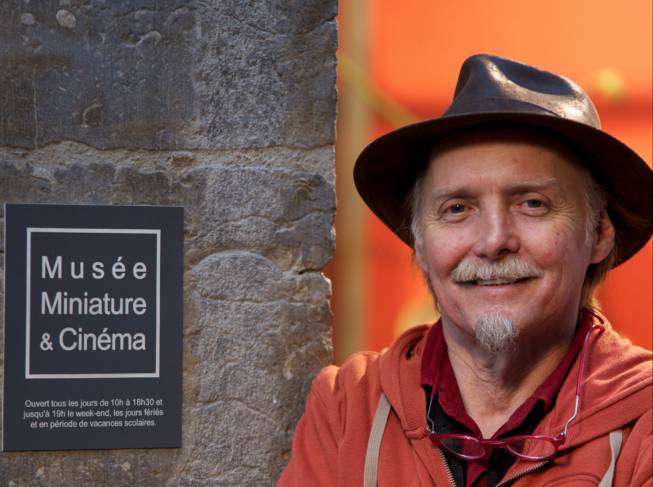
Museum director Dan Ohlmann is sixty. Before making miniatures, he worked for seventeen years in cabinetmaking and interior design. In 1985, an opportunity to work on stage sets introduced him to the world of miniatures.
With a strong artistic and technical background, Ohlmann soon became one of France’s leading miniature artists and appeared regularly on radio and television. Starting in 1986, he received growing attention and support, organized the first World Festival of Miniature Art in Montélimar—a town between Lyon and Marseille in southeastern France—and then founded his first miniature museum.
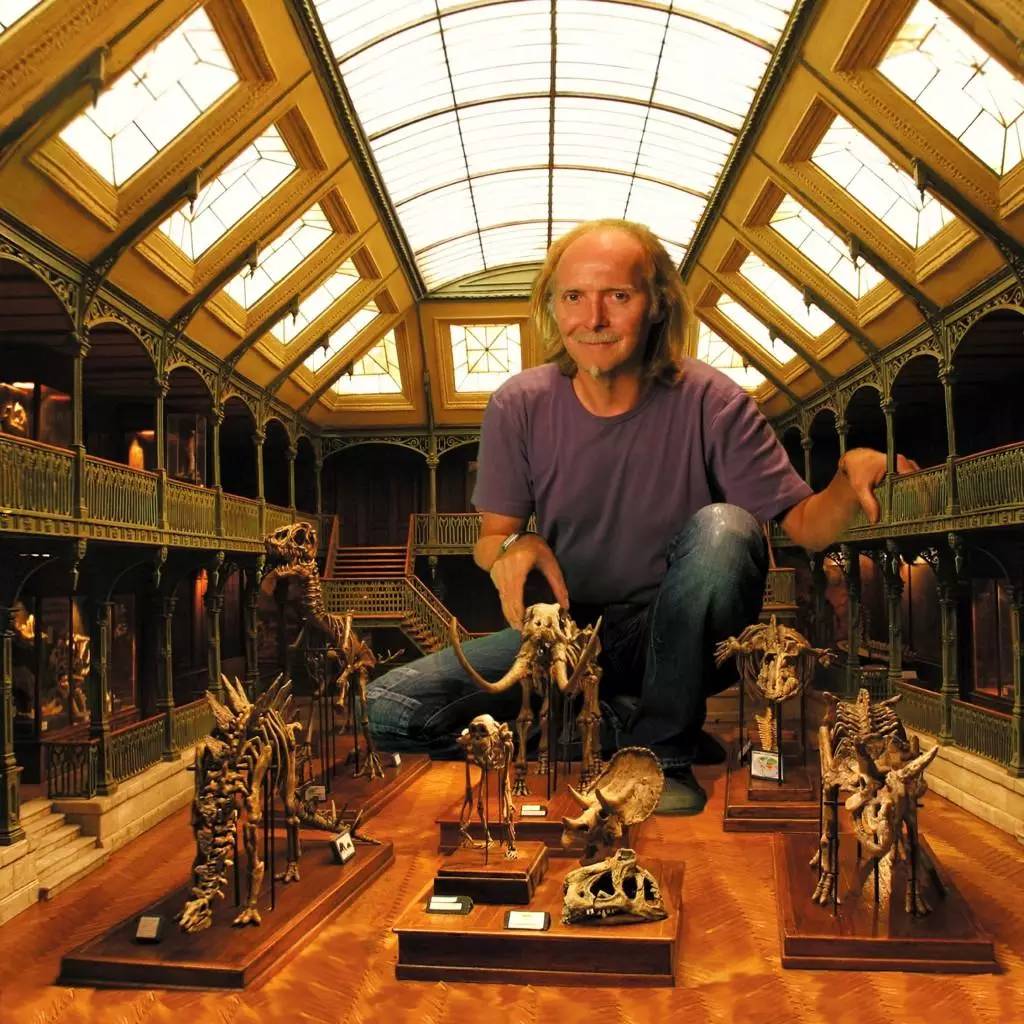
In 2004, Ohlmann bought a sixteenth-century building in Lyon’s Old Town, the “Maison des Avocats” (Lawyers’ House), and turned it into the Museum of Miniature and Cinema. It opened to the public in 2005. The museum occupies five floors and 1,900 square meters of exhibition space. One gallery is devoted to Ohlmann’s own work.
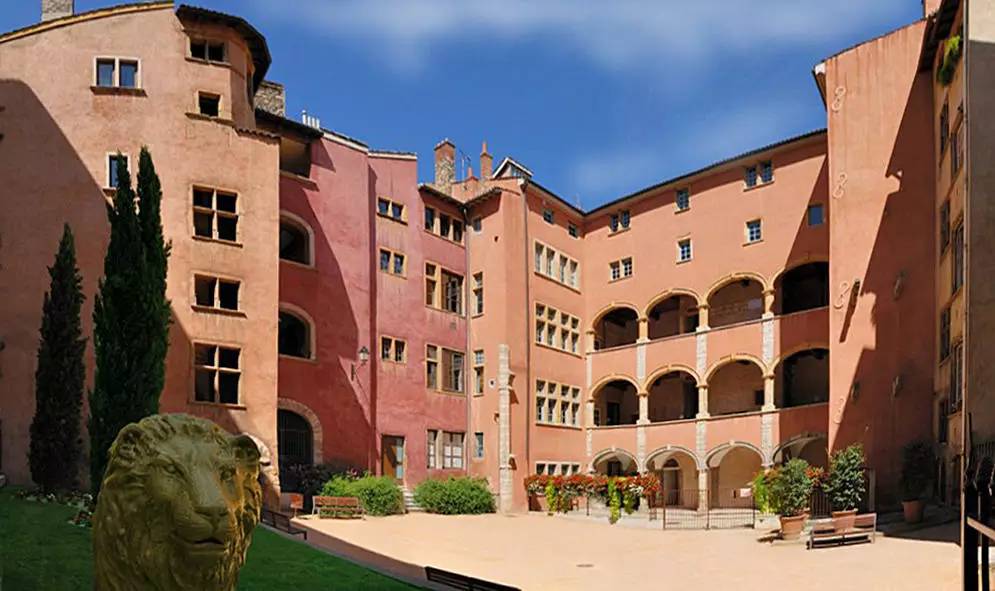
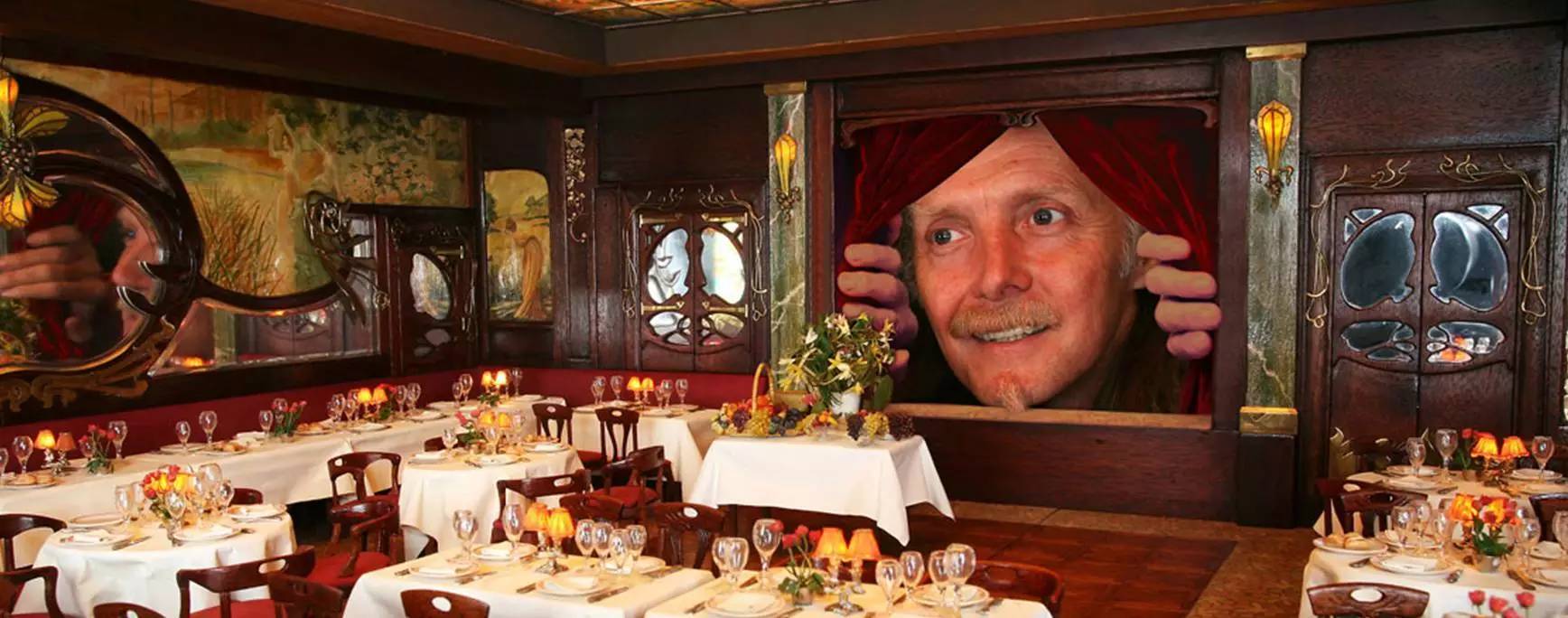
For the past ten years, Ohlmann has taken care of the museum each morning and worked on miniatures in the afternoon. Before starting a project, he visits the location, takes hundreds of photos, measures it and makes realistic sketches, carefully recording every detail. To build a model of Maxim’s in Paris, for example, he spent a week at the restaurant and got to know every member of staff.
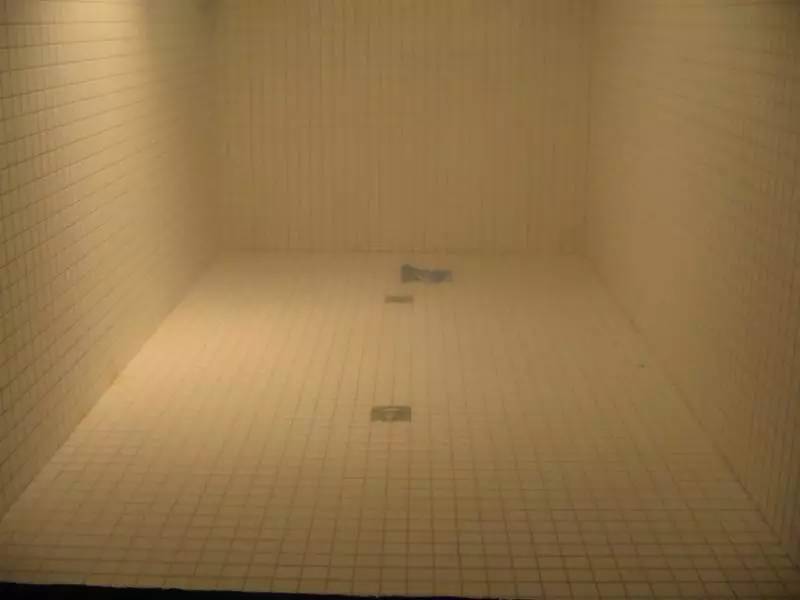
His miniatures are not simple replicas; some also express his own feelings and ideas. In an empty swimming pool, for example, he tries to make visitors feel immersed in the space and experience the movement of diving beneath the water.
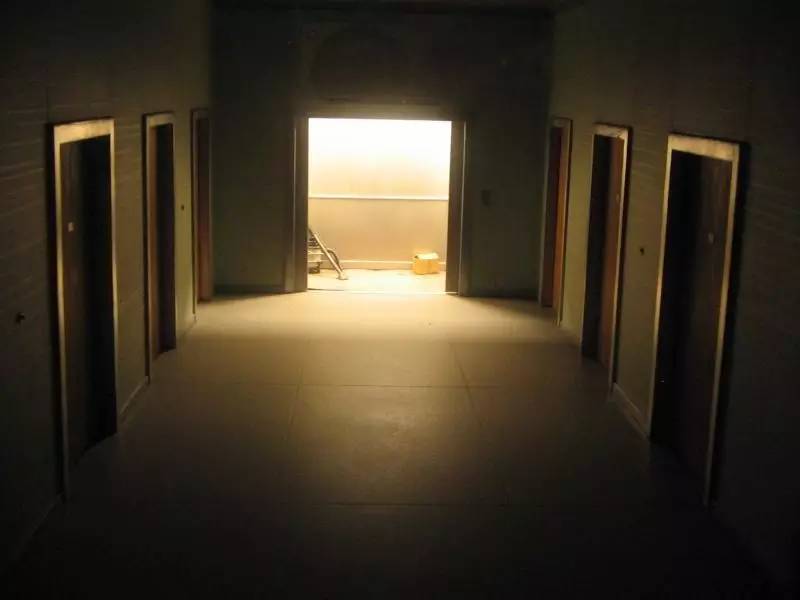
“New York, 25th Floor” is based on his own experience: he was walking down a corridor when the lights suddenly went out, an elevator door opened and a very strange beam of light appeared.
He likes spaces with an eerie atmosphere, but his favorite subjects—and the scenes he creates most often—are everyday moments that reveal human warmth.
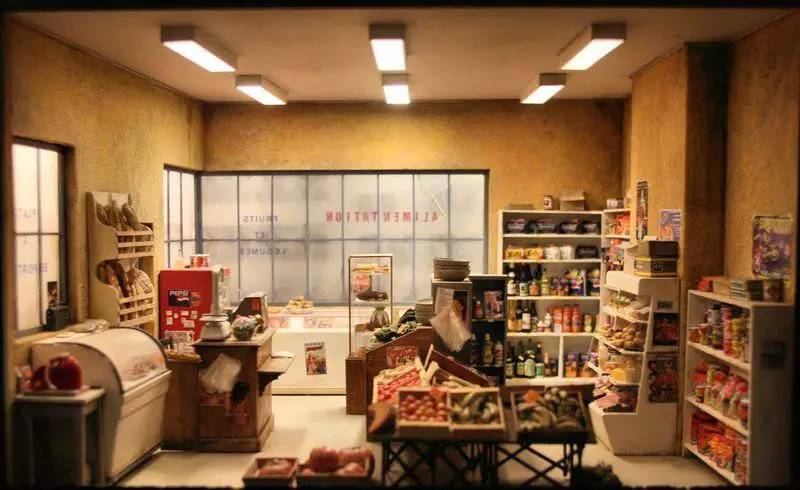
Although the museum collects so many sets and props from science-fiction and action films, Ohlmann himself prefers art-house and intellectual cinema, such as Jacques Audiard’s Rust and Bone (2012). His own favorite work is “The Restaurant in the 1980s.”
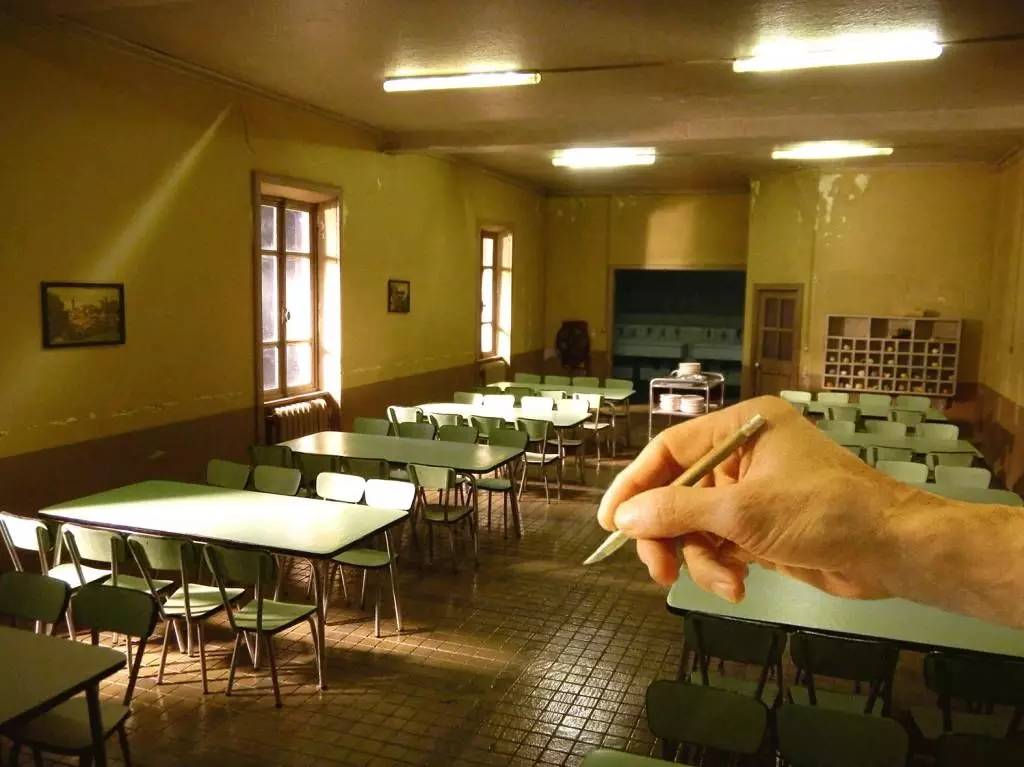
Ohlmann makes models from plaster, walnut, oak, silicone and other materials. Each component must be made entirely from one material; it cannot be assembled from pieces. He then paints it with an airbrush and acrylics. A model takes at least seven months to make. Some take less time, such as St. Paul’s Prison, because some pieces can be cast.
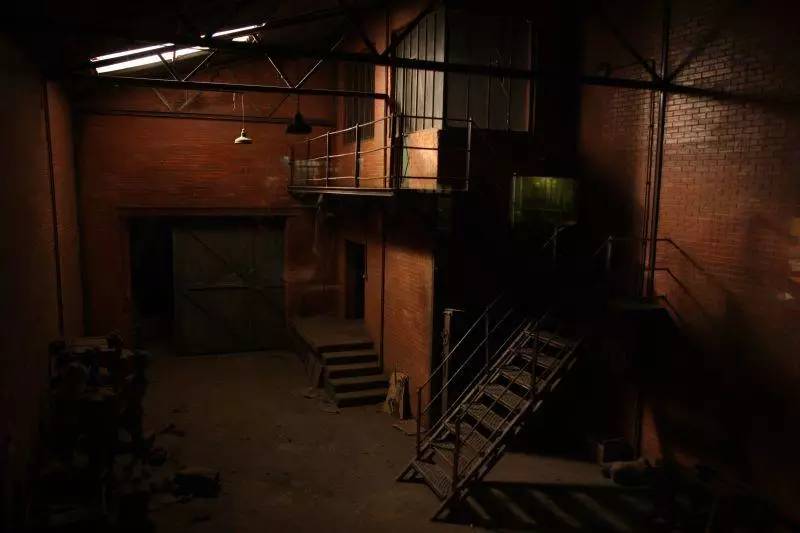
While he works, he puts on music whose rhythm matches the pace of the job.
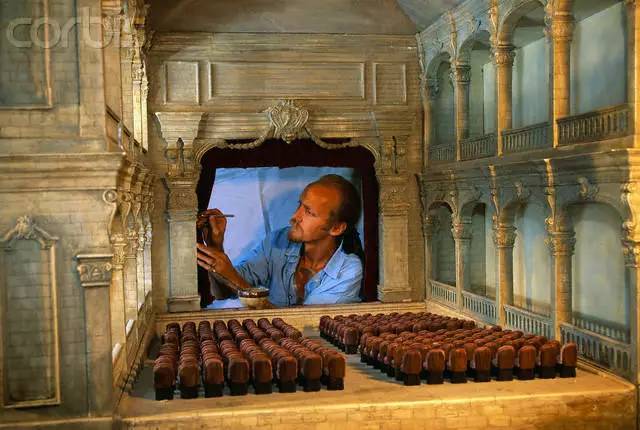
Everything Behind the Scenes of a Film
In 1988, Ohlmann met the special-effects team behind Star Wars. That meeting started his collection of film-effects materials.
As the video above shows, the film collection covers almost every subject in special effects and production design: the history of effects, full-size props, masks and prosthetics, miniature worlds, blue and green screens, digital effects, animatronics, practical effects, miniature vehicles, stop-motion, miniature sets, 3D animation, matte painting, costumes and more.
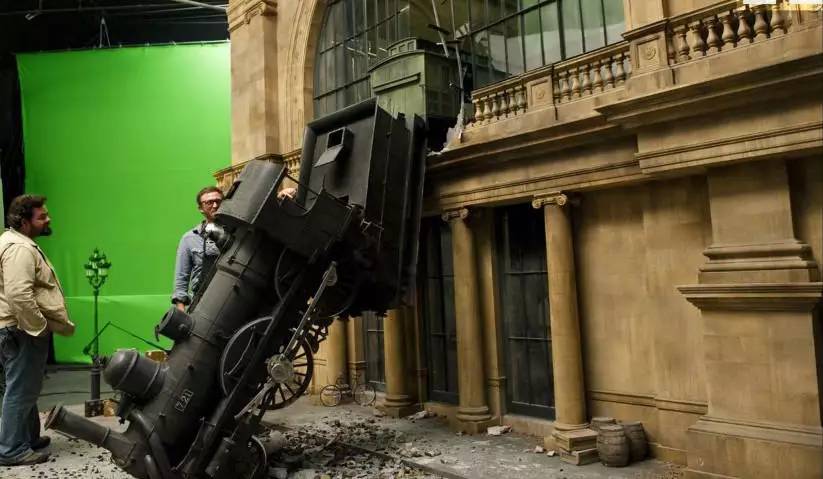
A set from Martin Scorsese’s Hugo
Most of the collection comes from film set and effects studios in Europe and the United States. The museum has good relationships with more than a dozen top effects studios around the world—including 20th Century Fox and New Deal Studios, which worked on Interstellar—as well as the Cinémathèque française, the German Film Archive and others. It also lends fifty pieces a year for exhibitions in the United States. Restoration is another important part of the museum’s work.
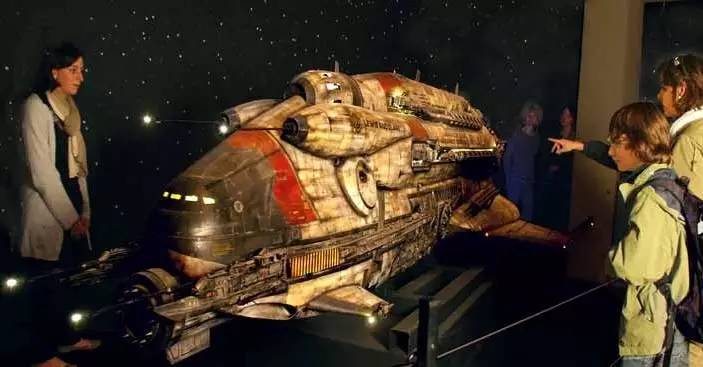
The “Lewis and Clark” ship from Event Horizon
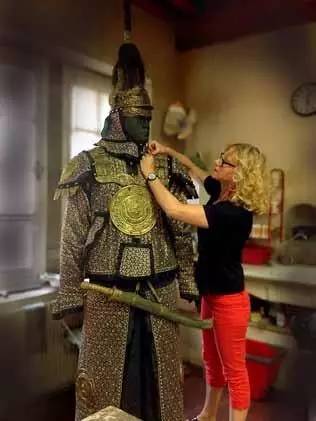
Costume restoration for The Last Emperor
Restoring the Alien Queen
Ohlmann goes to Hollywood every year to see what is available. In 2014 he visited ADI (Amalgamated Dynamics, Inc.) and saw the model of the Alien Queen lying on the floor. It seemed such a shame, so he bought it for $40,000. The damn thing had cost $900,000 to make originally!
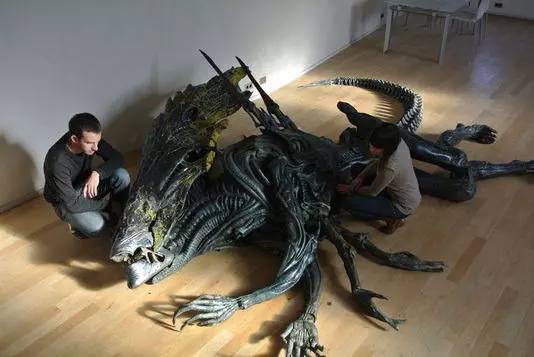
Latex lasts only about ten years, and parts of the model had melted away. The mechanical parts had also separated from the skin. Five restoration technicians injected silicone centimeter by centimeter, almost as if giving Botox to latex. A silicone manufacturer next door, whom the museum had known for 25 years, supplied 200 kilograms!
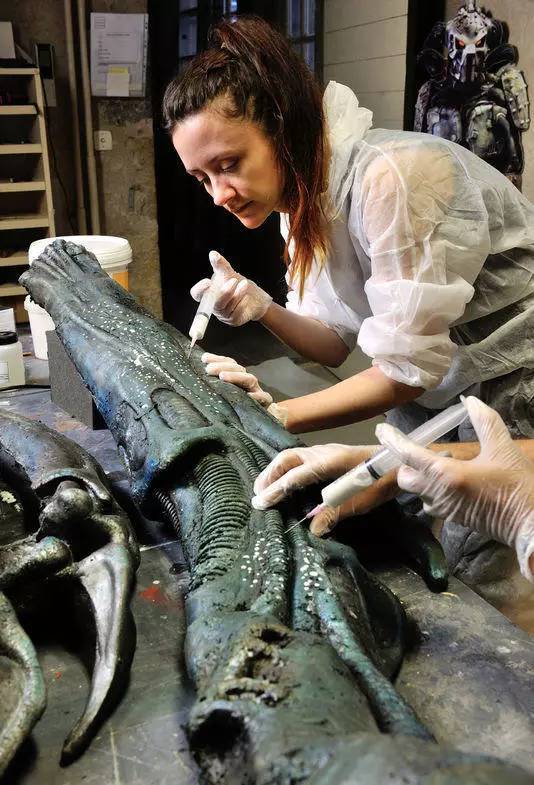
Including the most expensive mechanical components, the restoration cost as much as €120,000. The Alien Queen had come back to life!
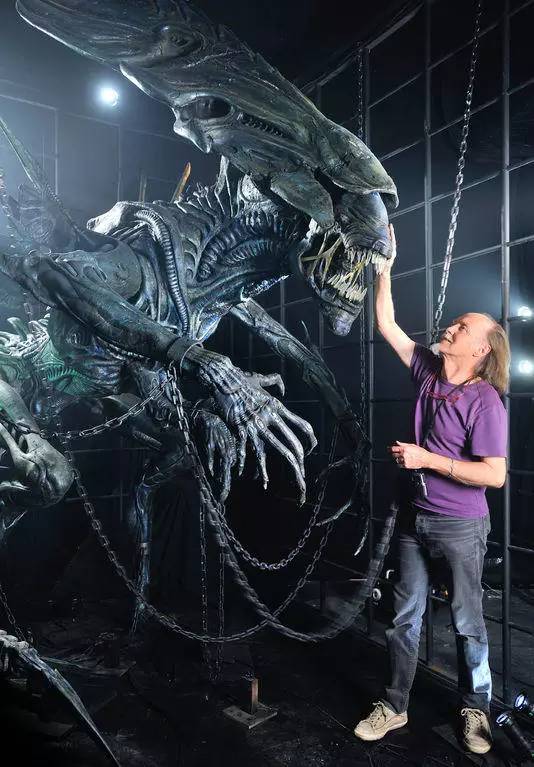
After this remarkable restoration, the museum recently acquired a Triceratops model from Jurassic Park and the silicone mask Robin Williams wore in Mrs. Doubtfire. Finally, let’s have the director show us his latest treasures.
Museum of Miniature and Cinema, Lyon · Interview with the resident artist
French audio · runtime: 1:47
E/N/D

Cinema is a dangerous adventure

Enjoy our work?
Share it with your friends.
Don’t keep a good thing to yourself—let more people enjoy it.