How Communist Countries Adapted Star Wars
7 minutes
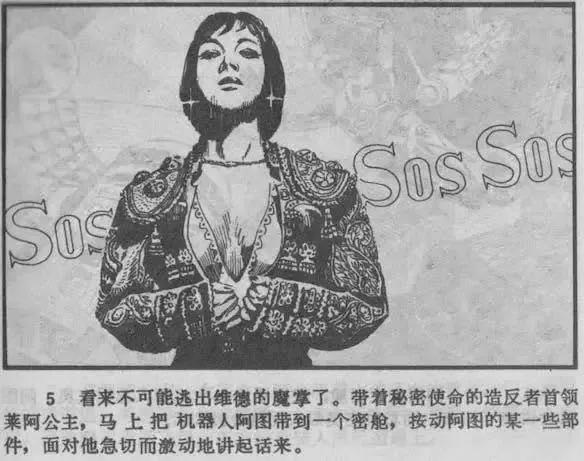
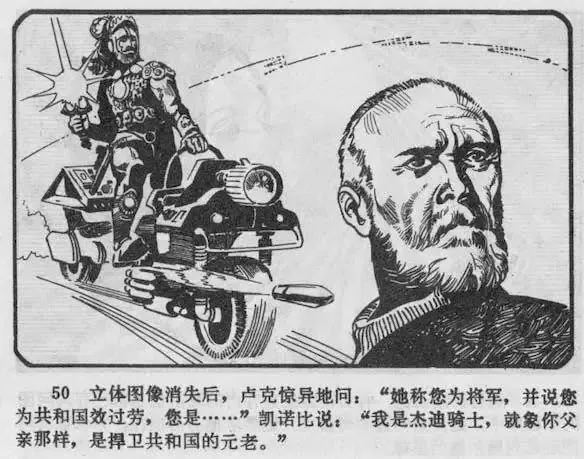
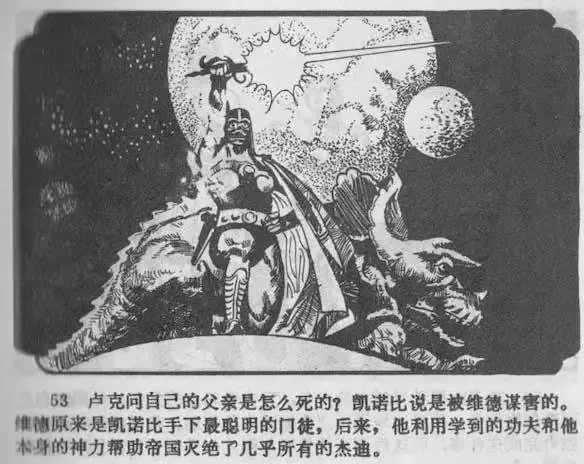
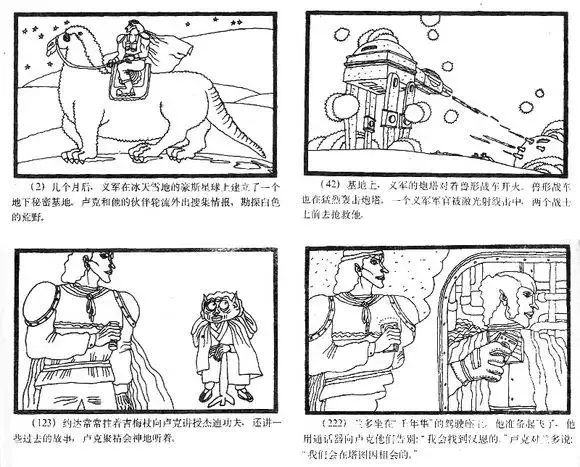
Although Star Wars: The Force Awakens would not arrive until the Christmas season in December, Disney, which had bought Lucasfilm, had already begun a major promotional campaign. Whenever Star Wars makes news, someone digs up the Chinese comics adapted in the 1980s:
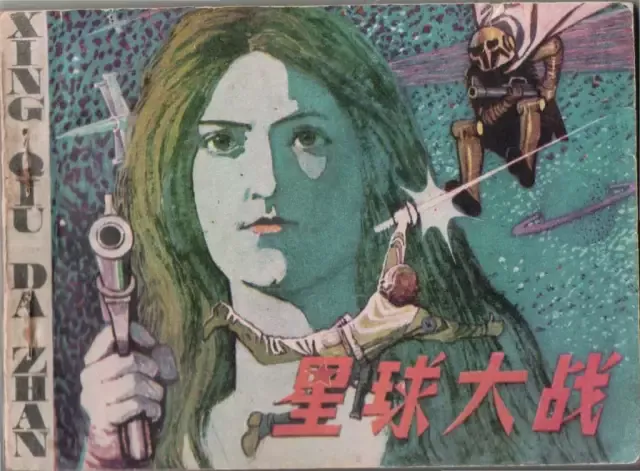
△ In this comic, Princess Leia is dressed up as Elvis.
△ “Jedi Knight” Obi-Wan rides a motorbike, Ben-Hur style.
△ Darth Vader rides a dinosaur, as if on the cover of Mystery magazine or a “Brave Warrior Disco” comic.
The first film in the saga, Star Wars: Episode IV — A New Hope, premiered in May 1977. This Chinese comic was published in December 1980. According to Chinese Star Wars fans who have collected the editions, at least a dozen different Star Wars comics appeared in China in the 1980s. If you are curious, search for “Star Wars comics with Chinese characteristics” on Star Wars Chinese—but do not say I failed to warn you about the artwork you may find:
China officially joined the Universal Copyright Convention in 1992. Before then, freely adapting foreign movies and TV into books was hardly unusual. Many of us must also remember comics like “Calabash Brothers vs. the Knights of the Zodiac” from childhood:
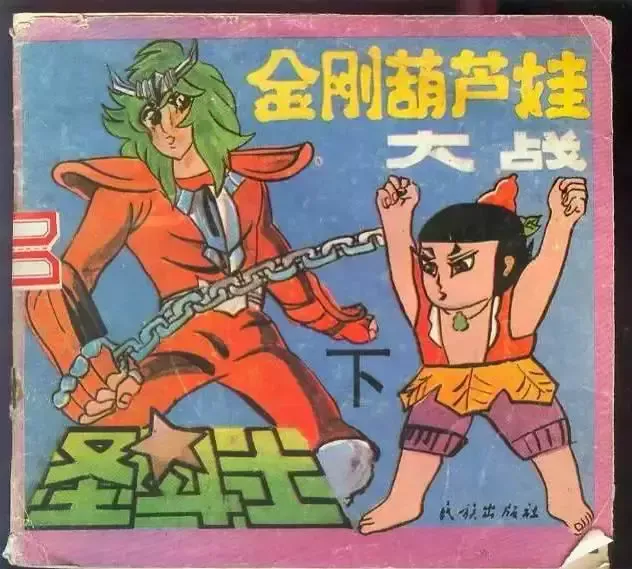
△ I have no words.
Several Eastern European communist countries were in a similar position. With Western film copyrights hard to enforce, the countries behind the Iron Curtain also embraced a “take what you want” approach. In Hungary, for example, comics artists adapted Star Wars without permission—and the story took an even more remarkable turn.
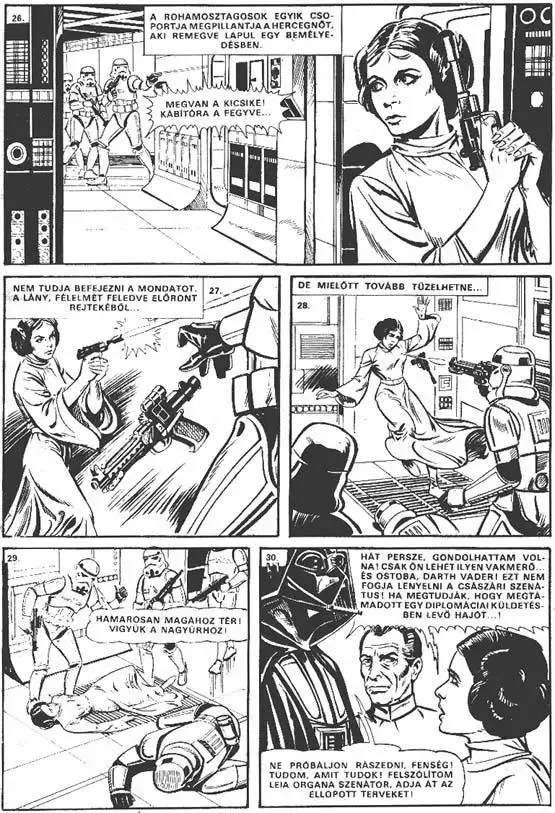
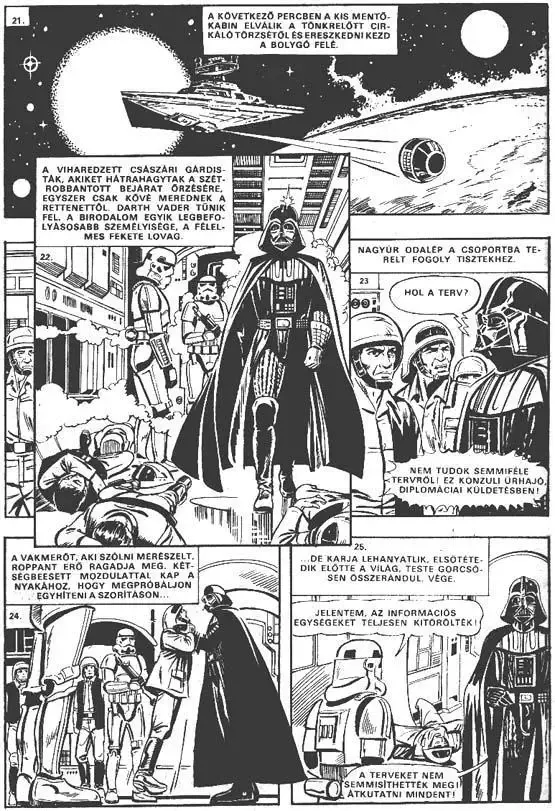
In 1982, Hungarian comics artist Attila Fazekas published his own unauthorized Star Wars adaptation. The book became a landmark in Hungarian comic publishing and sold 700,000 copies in one year. Hungary’s population today is only about ten million.
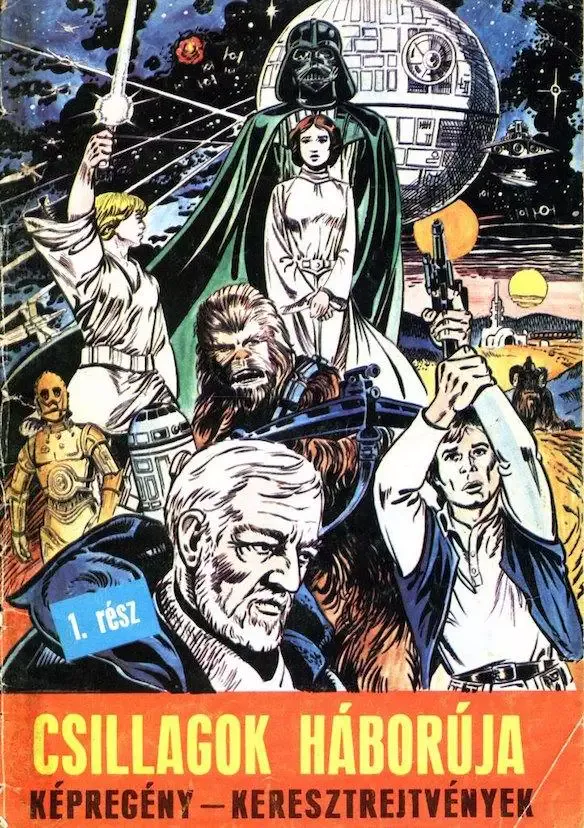
▽
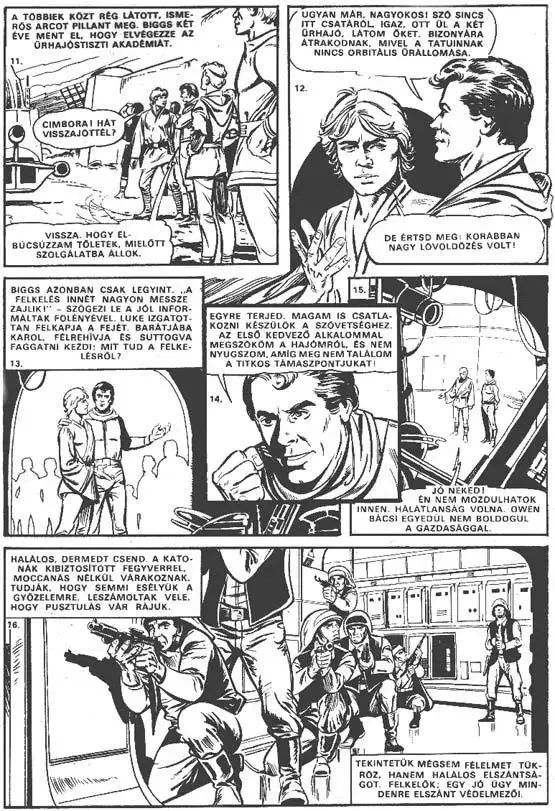
▽
▽
▽
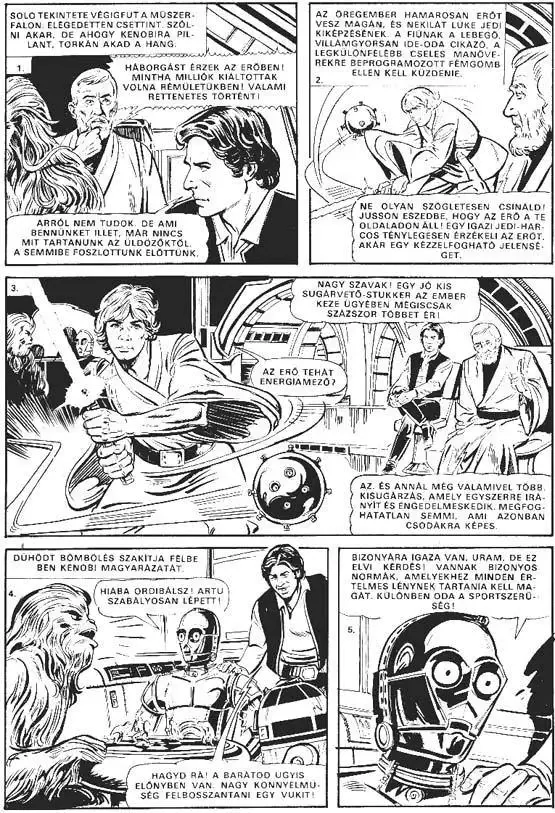
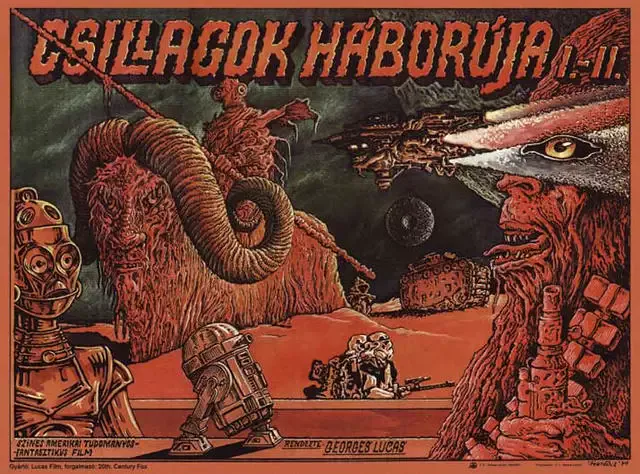
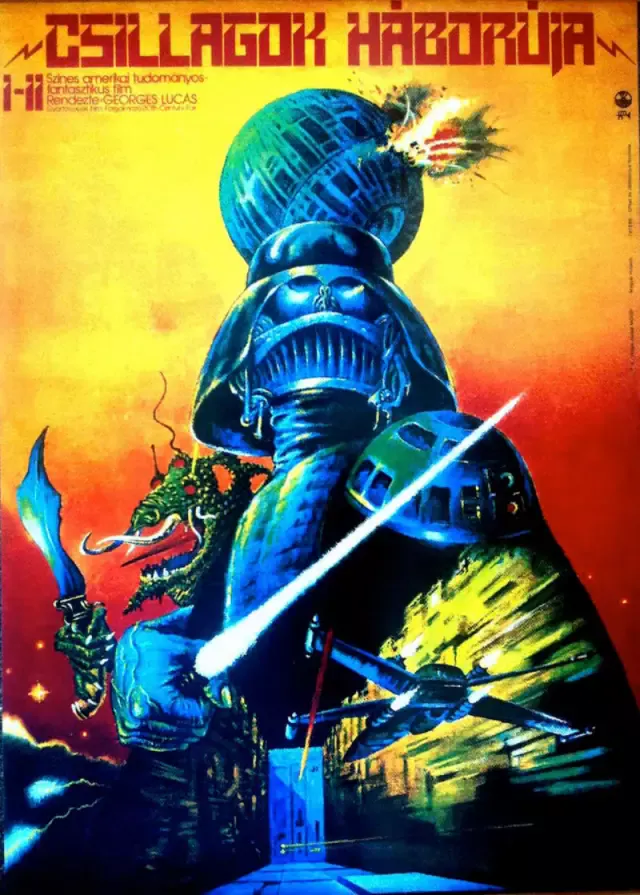
The artwork stays remarkably close to the film, which had actually premiered in Hungary in 1979. The poster looked like this:
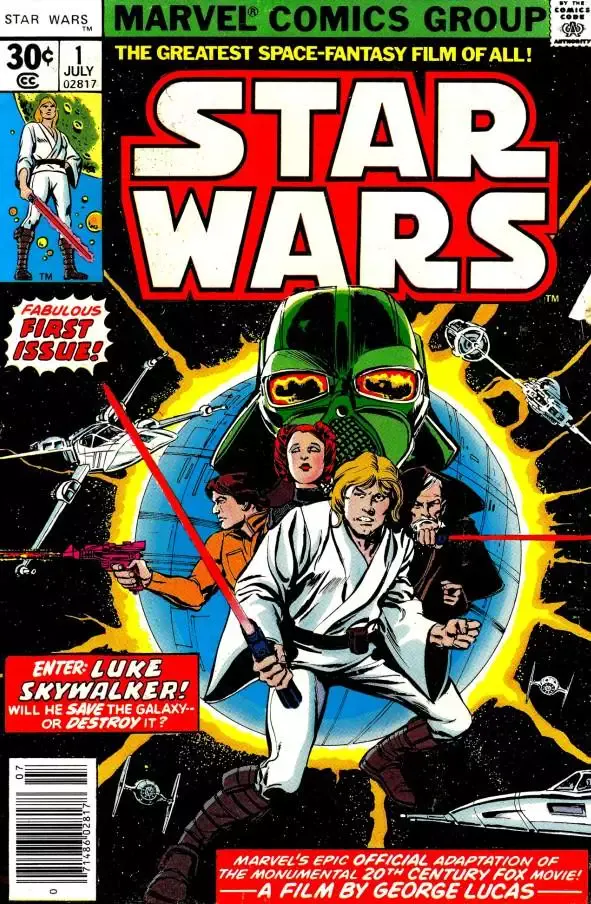
The artistic quality of this Hungarian “bootleg” adaptation was high. Many fans think it was far better than the first official adaptation published by Marvel. Here is Marvel’s own comic:
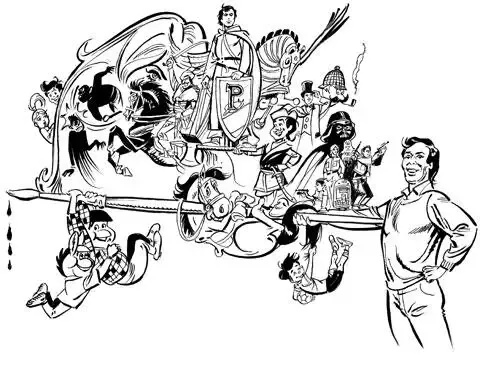
Among communist countries, Hungary, Czechoslovakia, China, Serbia, and Poland were the only ones with a strong comics scene. Hungary stood out for four reasons: it had a comics tradition dating to the nineteenth century; its political climate was relatively relaxed; it had gone through a golden age of comics in the 1970s; and adaptations of science-fiction novels and films were popular. Fazekas was already a well-known Hungarian artist who had adapted Hollywood films and local science-fiction novels:
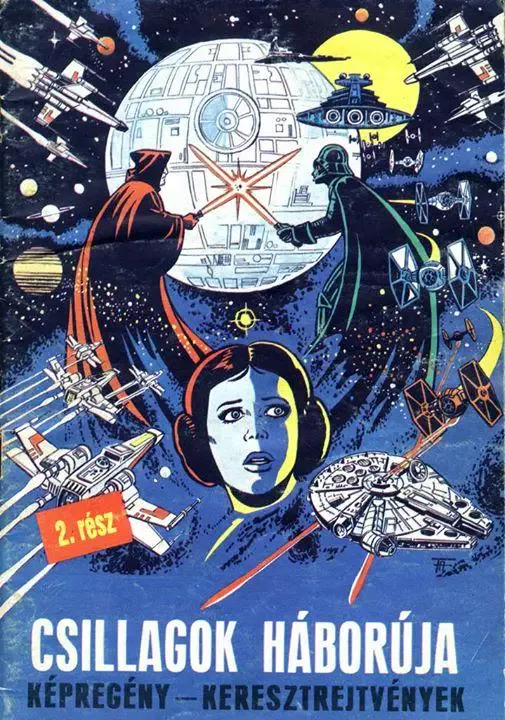
After finishing the first Star Wars comic, he moved on to The Empire Strikes Back. The film had come out in 1980, but he had not seen it; all he had were a script and stills provided by a friend. Building on his first book, he used his imagination to create another remarkably accomplished adaptation:
A “traitor” tipped off Marvel, which then controlled the rights to publish Star Wars comics. A company representative came to Hungary and stopped the planned publication of the third book, Return of the Jedi. But America could do little about what was happening east of the Iron Curtain, so it let the first two books pass without further action. Marvel’s official Star Wars comics reached Hungary in the 1990s, yet Fazekas’s two masterpieces remain revered by fans.
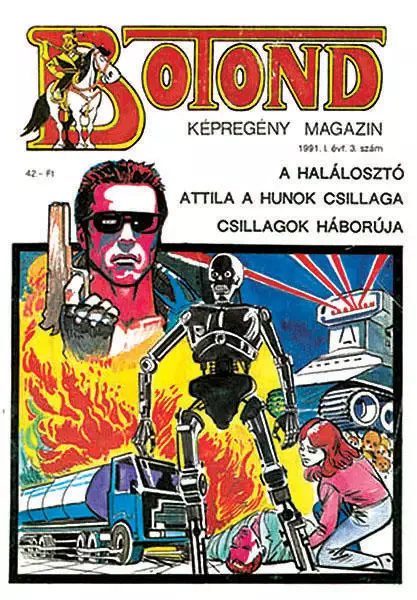
As American, Japanese, and Western European comics gradually entered Hungary, the local industry declined. Fazekas launched an irregular comic magazine called BOTOND, which now sells only a few thousand copies. He says parents once dismissed comics as capitalist “poisonous weeds,” but in an age when children do not read books, seeing one holding a comic is still heartening. At least it is a book. And yes, that is the Terminator below:
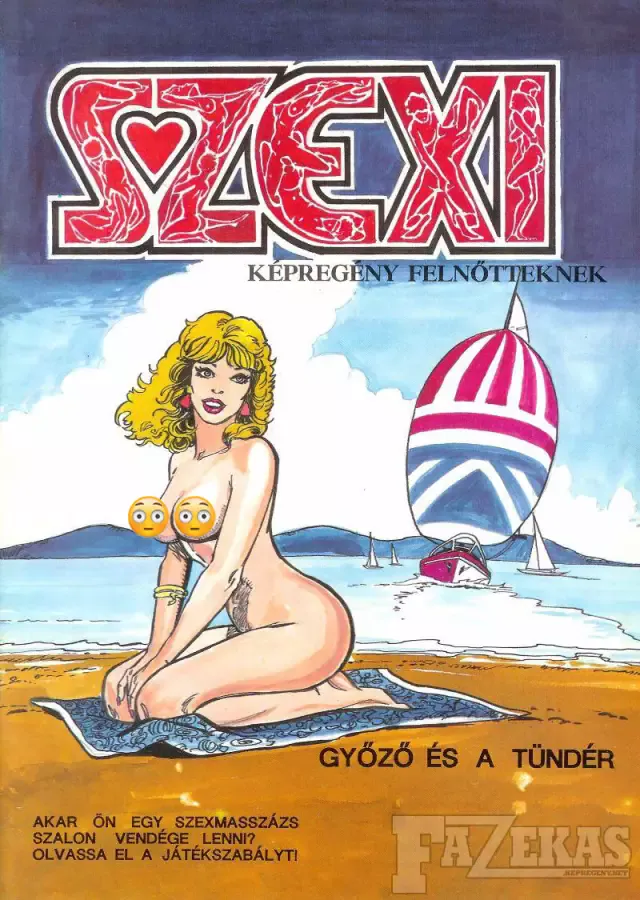
He even drew some rather “erotic” works, which of course are not for children:
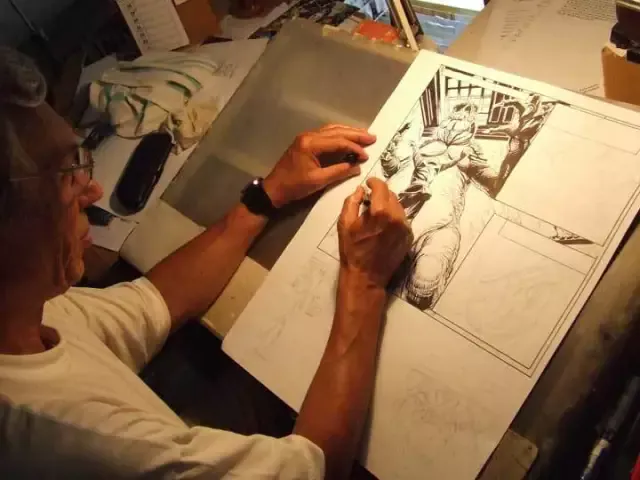
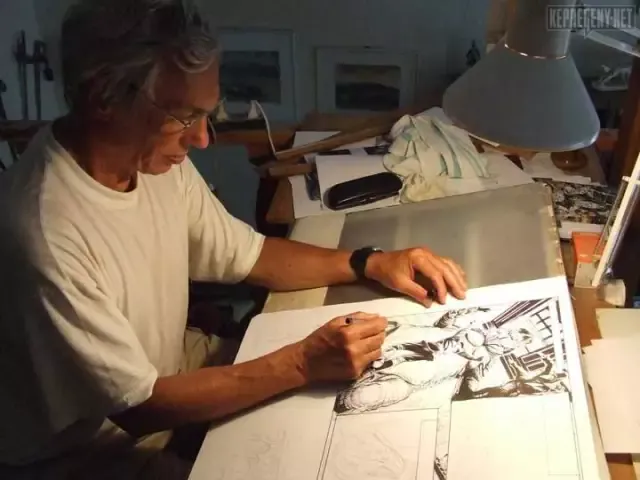
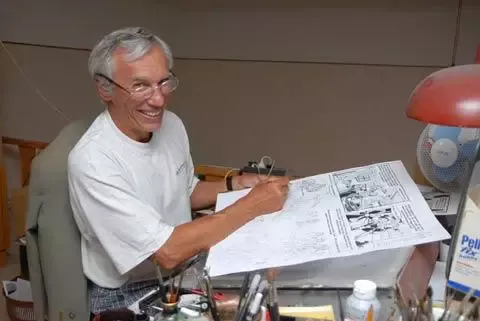
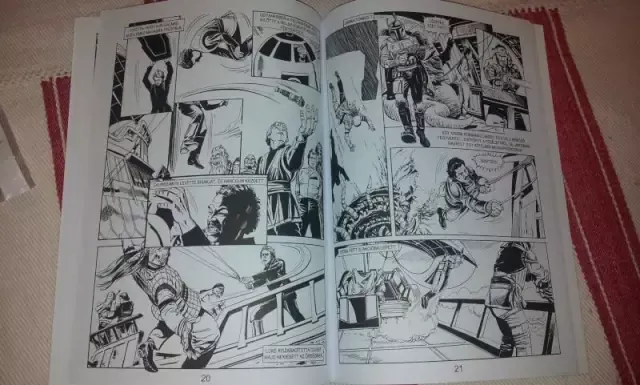
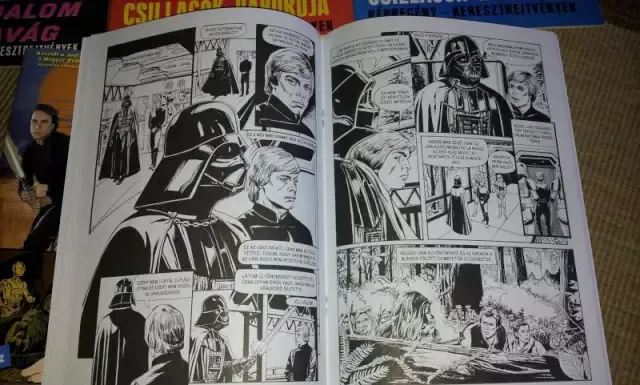
But the story did not end there. Hungarian Star Wars fans had not forgotten him, and neither had Lucasfilm. In 2012, Lucasfilm officially authorized the Hungarian Star Wars Fan Club to publish 500 copies of an adaptation of Return of the Jedi, once again illustrated by Attila Fazekas. Thirty years had passed, but fans at home and abroad were still thrilled:
▽
▽
▽
▽
And that is where the story ends—for now. Perhaps Disney will suddenly call on Attila Fazekas to make another one. China’s film industry is busy talking about intellectual property and how to make a fortune from spin-offs and merchandise, again and again. But first, how about making something that fans will still love decades from now?
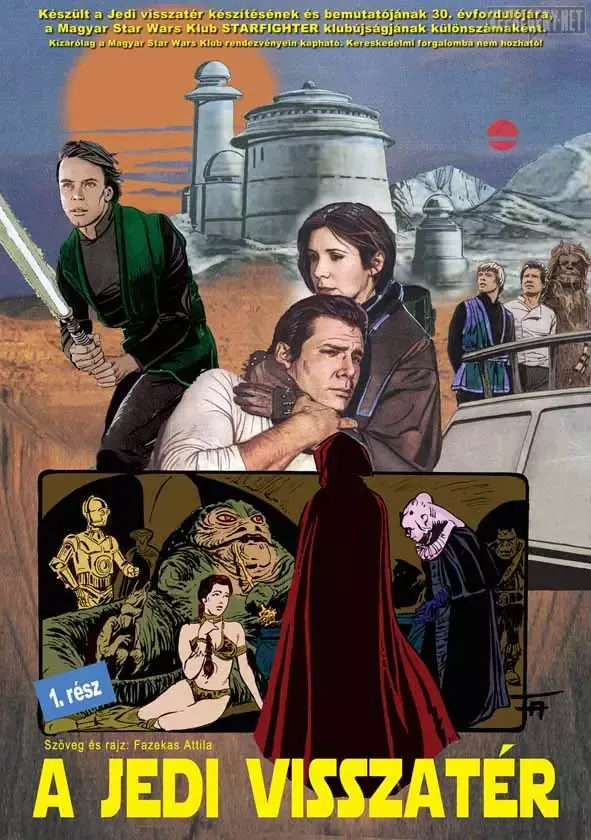
△ From unauthorized art to official recognition: this is the cover of the final licensed Return of the Jedi adaptation.