Merry Christmas, Mr. Bowie. Goodbye.
3 minutes
David Bowie’s Mandarin song. In 2004, Hong Kong cultural figure and music critic Wong Chi-chung interviewed Bowie overseas and asked whether he would sing in Mandarin. Bowie immediately agreed. Wong asked lyricist Lin Xi to rewrite the theme song of a certain “reactionary” film as a Mandarin song called “A Moment Between Heaven and Earth.” Anthony Wong recorded a Mandarin demo and taught Bowie the lyrics line by line. The song was included in a special edition of Earthling, released in 2005.
Last week, social-media accounts chasing the latest trend were still talking about Bowie releasing a new album on his 69th birthday, January 8, and praising him for still being at the top of his game. He was only 69, after all—older artists such as Leonard Cohen and Paul McCartney were still touring.
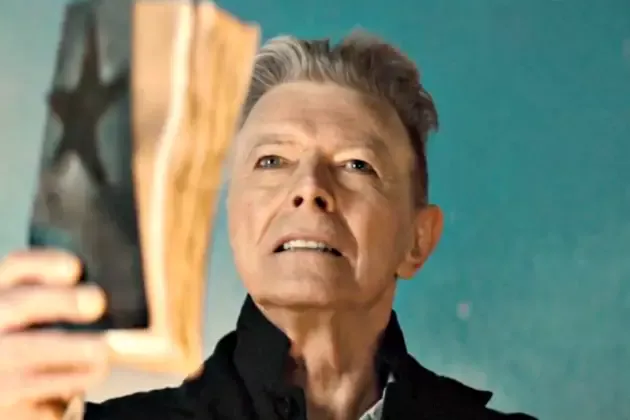
But just after the weekend came the terrible news. The club president came over and asked me, “Feng, have you written anything about Bowie?” I said, “No.” He told me firmly, “You should write something. Bowie was a very good actor too.”
Indeed, Bowie was known as the “chameleon,” and his artistic life was a great performance. In addition to Major Tom and Ziggy Stardust, the characters he created in his songs, and the many eccentric personas he played onstage and in music videos, he also acted in quite a few films.
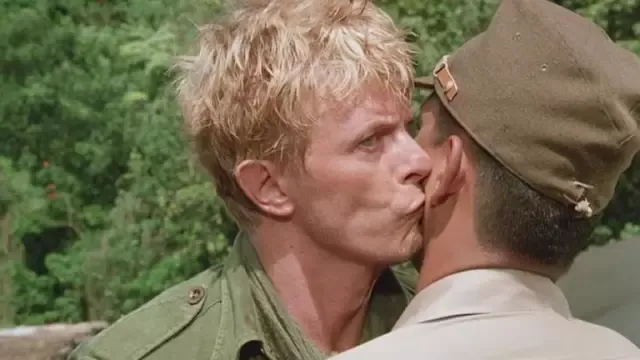
I will skip the one you all know, Merry Christmas, Mr. Lawrence. In his other films, he really was a chameleon: sometimes you would not know it was Bowie until the end credits. For example:
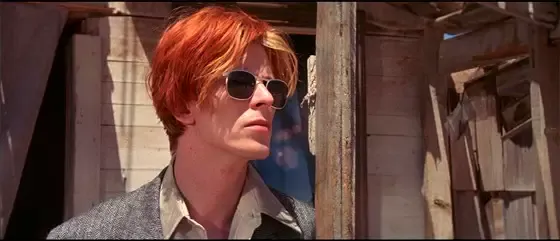
1. The Man Who Fell to Earth (1976)
This can be considered Bowie’s first feature film, and the start of his history of eccentric screen roles.
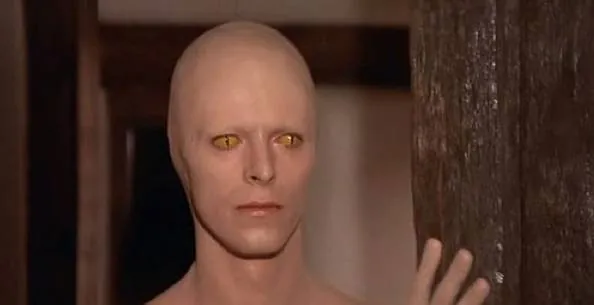
2. The Hunger (1983)
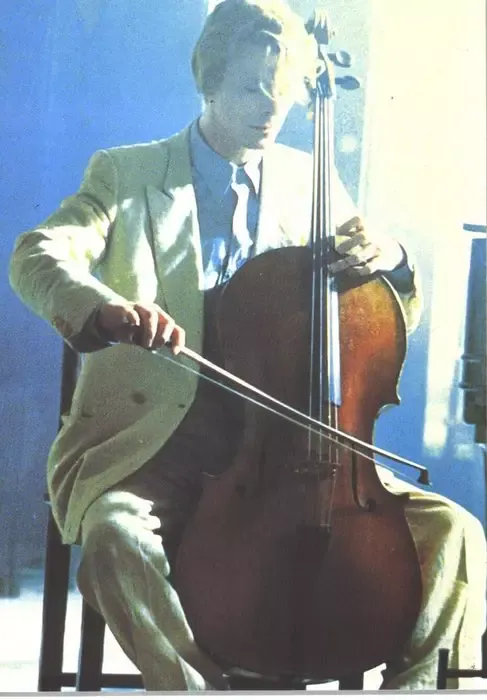
He is easy to recognize as a blond.
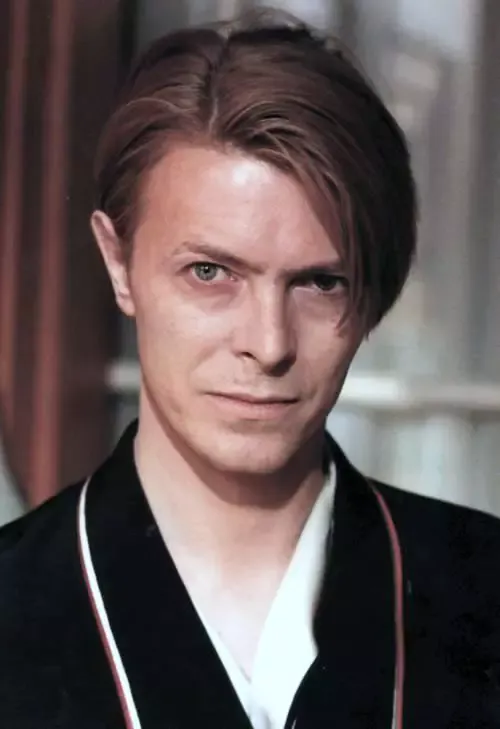
What about brown hair?
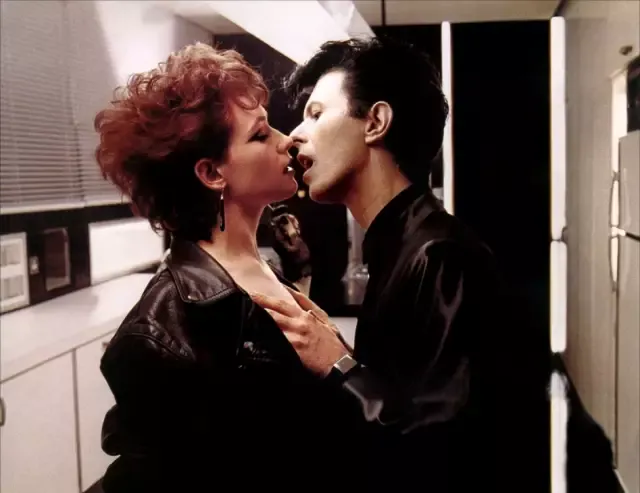
How about black hair?
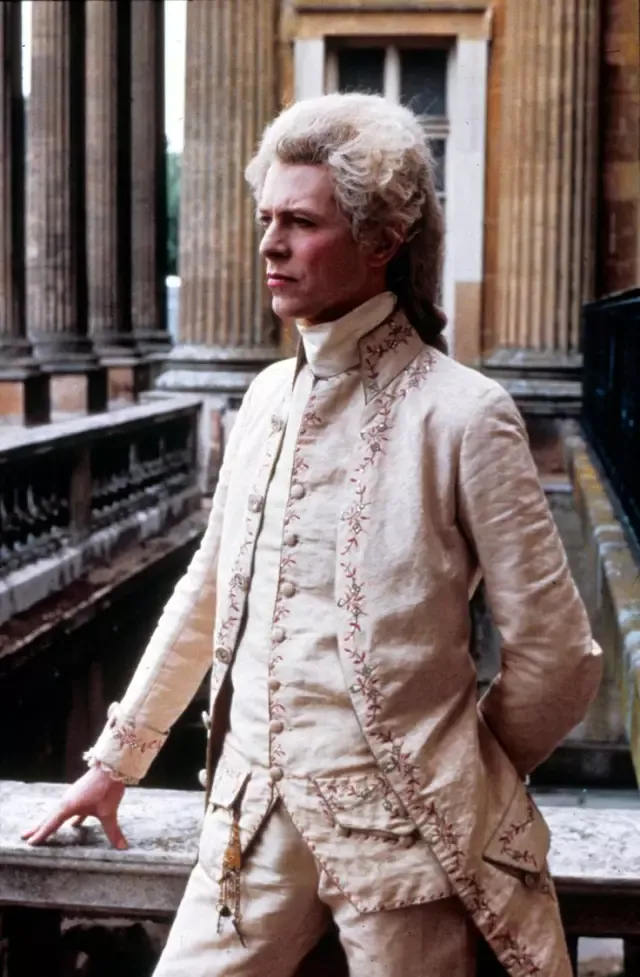
And white curls?
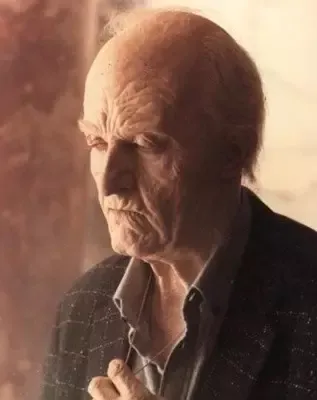
Can you recognize him without any hair?
3. Labyrinth (1986)
Jareth, the Goblin King—he scared the baby stiff.
4. Basquiat (1996)
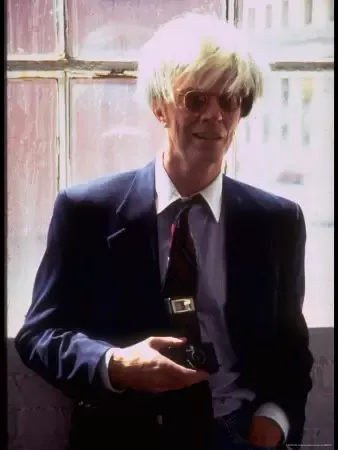
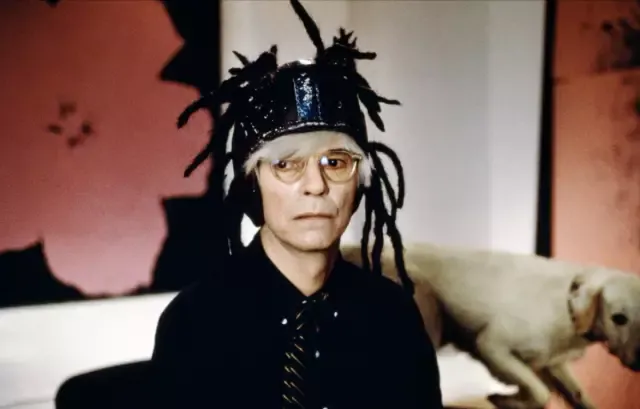
Honestly, I cannot tell which one is Andy Warhol, because both of these are Bowie.
5. Twin Peaks: Fire Walk with Me (1992)
6. The Last Temptation of Christ (1996)
Pontius Pilate, the Roman governor who ordered Christ’s crucifixion. Without being told, you might think he was the French actor Mathieu Amalric.
7. The Prestige (2006)
First, let’s listen to one of Bowie’s signature songs, “Space Oddity,” then I will share two movie-related stories:
Many people think the hit “Space Oddity” was written to capitalize on the Apollo 11 moon landing. Not so. It actually has something to do with the great Stanley Kubrick, whom we were discussing just the other day.
Stanley Kubrick’s 2001: A Space Odyssey came out in 1968. Young Bowie—he was not “Mr. Bowie” yet—was stunned when he saw it and watched it several more times. If he was chasing a trend, it was the film’s success he was following. The movie gave him huge inspiration after a difficult stretch in his music career. The next year, at 22, he wrote “Space Oddity” and created his first alter ego, Major Tom, an astronaut lost in space. The BBC chose the spaceflight song as background music for its live broadcast of the moon landing. “They must not have listened to the lyrics carefully,” he joked.
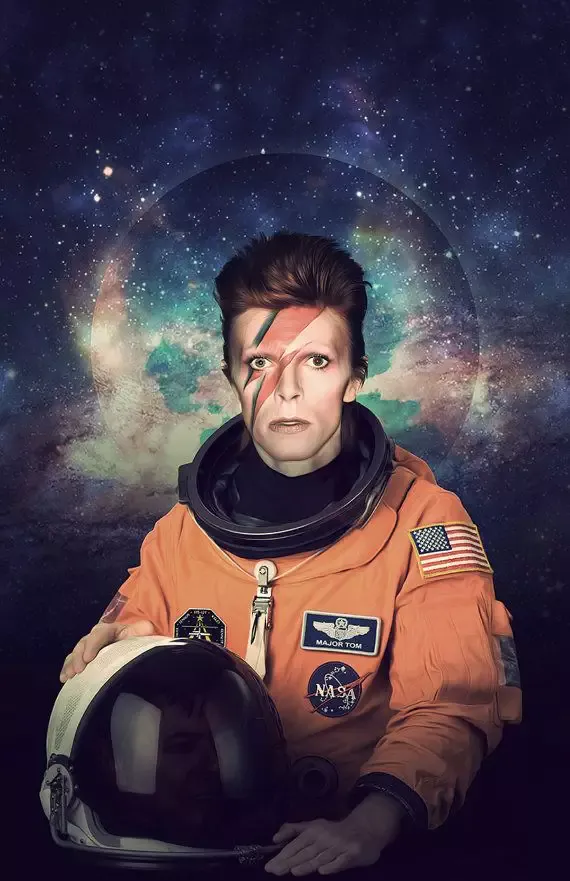
In 1971, Kubrick made the masterpiece A Clockwork Orange. Bowie was inspired again and invented Ziggy Stardust, an androgynous, flamboyant, exaggerated persona.
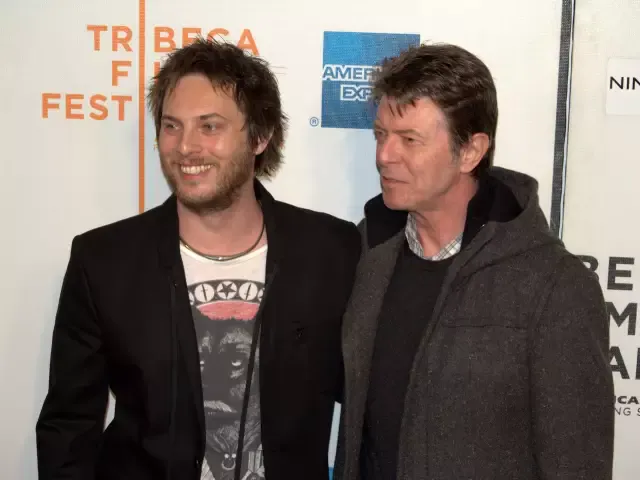
Duncan Jones and David Bowie.
Bowie left the world one more gift: a good film director, his son Duncan Jones. Duncan’s debut feature, the low-budget science-fiction gem Moon, is one true film fans should know.
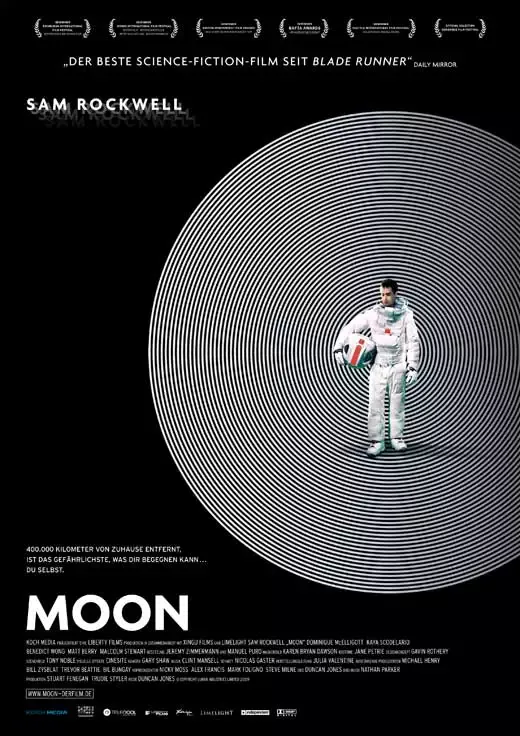
He followed it with another science-fiction film, Source Code. And this year brings Warcraft, which many fans of the game are looking forward to.
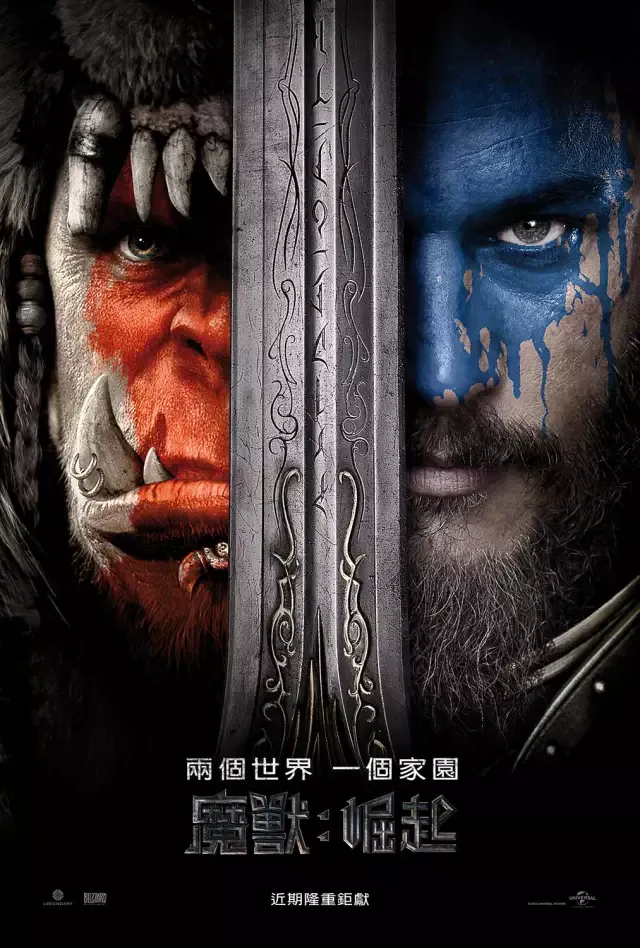
He is gone. May Bowie rest in peace, and may he watch over Duncan so his son can be as brilliant as his father.

Cinema is a dangerous adventure.