Original source: Global Beatles Day: Celebrate 25th June
How Global Beatles Day began
June 25 now has a louder name: Global Beatles Day.
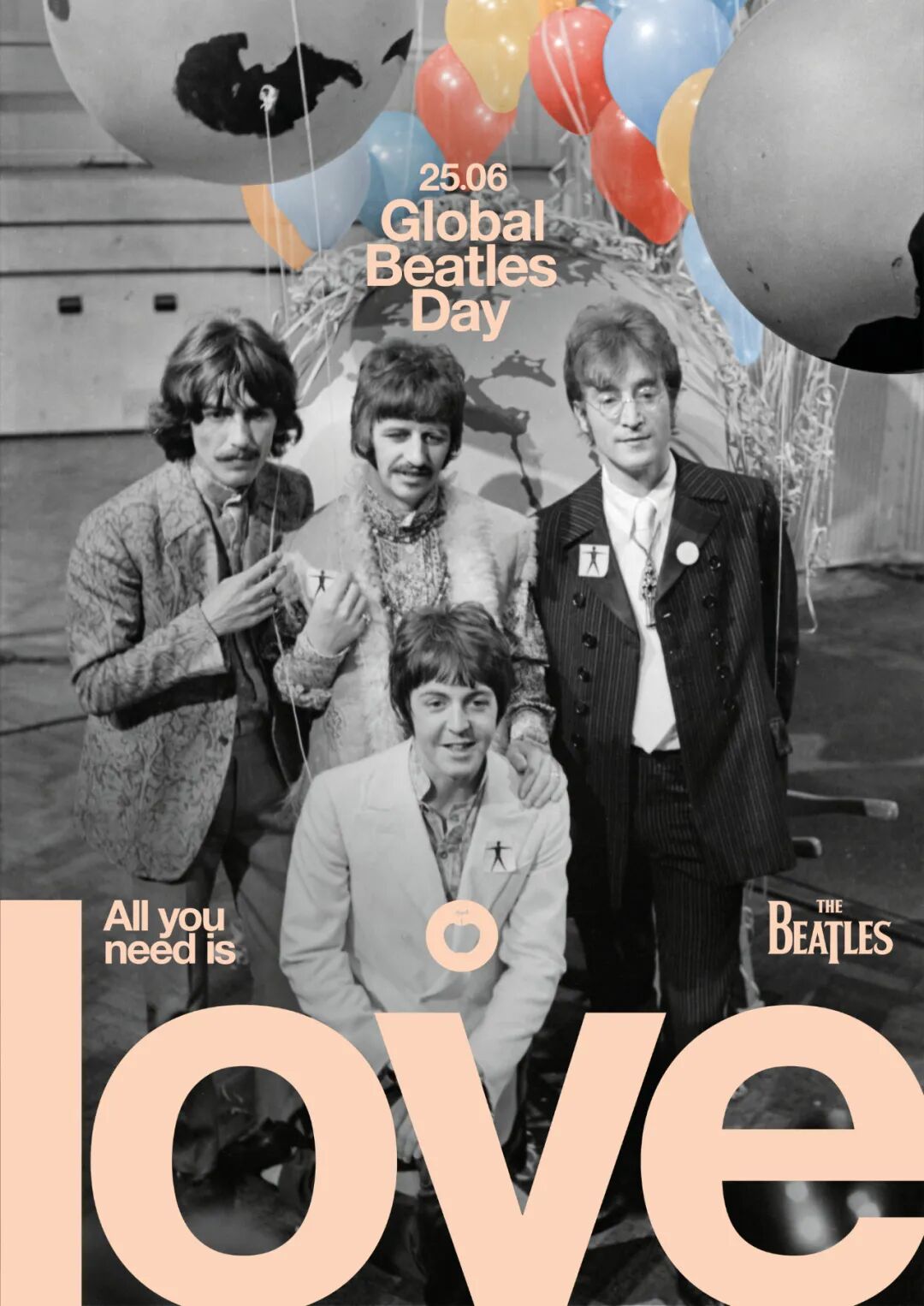
The name is a little naive, and a little sweet. It sounds like fans giving themselves an excuse: today, you have to play the Beatles.
The idea came from fan Faith Cohen. In 2009, she started Global Beatles Day so that every June 25 people could celebrate the music, imagination and free spirit the Beatles left behind, along with the belief in Peace & Love.
Later, the small flag fans had raised received a response from Apple Corps. It will not turn into a public holiday by law, but some of the most moving things in popular culture have less to do with a stamp of approval than with people who are willing to remember them year after year.
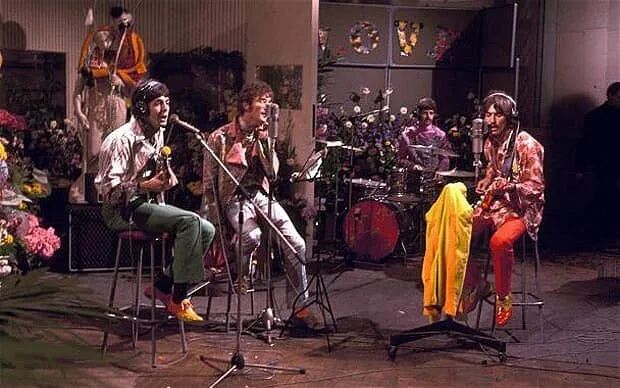
Why June 25? On that day in 1967, the Beatles went into Abbey Road Studios and performed “All You Need Is Love” on the BBC’s live global broadcast Our World. According to the Global Beatles Day website, more than 400 million people in 26 countries heard the song together.
There was no internet, no short-form video, no scrolling comments or real-time trending list. The world had not yet been divided into countless little rooms by phone screens. And yet, in that moment, people with different lives, languages and nationalities truly heard the same song at the same time.
So Global Beatles Day commemorates a rare moment: music once brought the world together.
Why sing “All You Need Is Love”?
“All You Need Is Love” is easy to underestimate.
Because it is so simple. A simple title, a simple melody, a simple message. So simple that modern people instinctively doubt it: That’s it? The world is so complicated. What can one word, “love,” solve?
Of course it cannot solve war, inequality or the small, scattered misunderstandings between people.
But music is not always meant to “solve problems.” Sometimes it is more like tapping the rim of a glass, making someone look up from their numbness.
The world was not at ease in 1967. The Cold War was still on; the Vietnam War was still on; young people were pushing back against the old order; and television and satellite broadcasts had only just turned Earth into a scene people could watch together. The Beatles stood there without making a political declaration. They simply sang a song everyone could follow.
That is what made it powerful. The more people around the world a song is meant for, the lower its threshold has to be. Great pop music does not have to hide complexity even deeper. It can simmer complexity down into a line everyone can sing.
The song’s opening also borrows the melody of the French national anthem, “La Marseillaise.” A British band, on a live broadcast watched around the world, opens with a French revolutionary song and then sings a pop song about love. There is something delightful about that: nations, revolution, youthful ideals and pop culture all placed in the same shared soundscape.
“All You Need Is Love” is less a slogan than a big flag. A slogan demands that you agree; a flag simply invites you to stand beneath it. Many songs suit a person listening alone through headphones. This one suits a group singing together. It does not matter if you are off-key. In fact, being off-key is probably right.
Why listen to the Beatles today?
Listening to “All You Need Is Love” today can feel a little embarrassing.
We have become so used to pulling everything apart. When we hear about a holiday, we first ask whether it is a commercial gimmick. When we hear a song, we ask whether it has been overpraised. When we hear the word “love,” we ask whether someone is exploiting it.
All fair questions. The trouble is that if a person only knows how to take things apart, eventually they will empty themselves out too.
This era has no shortage of information or opinions. Every day brings conflict, positions, algorithms, trending topics and anxiety. Everyone is trying to look clear-eyed, to show they cannot be moved by a simple line.
But people cannot live on clear-eyed skepticism alone. They also need to be stirred once in a while.
That is why we still listen to songs from decades ago, why we still listen to the Beatles. Not to return to 1967. Their music reminds us that pop culture at its best draws people out from under all their labels and brings them together again.
In the age of AI, this idea is even more worth thinking about. Today, a melody, an image or an article can be generated quickly by a machine. There is more and more content, and it increasingly looks like fog. That is exactly when the Beatles’ value becomes clearer: they created shared memories.
So the world needs a Beatles Day. It gives us a reason to set aside our cynicism for a moment, lets people of different ages talk about the same band again, and gives an old song the chance to be played, shared and discovered by young people.
If you do not know how to spend June 25, it is simple. Find someone you like—or someone you have not contacted in a long time—and send them “All You Need Is Love.” There is no need to explain rock history or prove how great the Beatles were.
Let the song speak for itself.
The world will not suddenly become better because of one song, but one person may suddenly feel a little less cold because of one song.
That is enough.
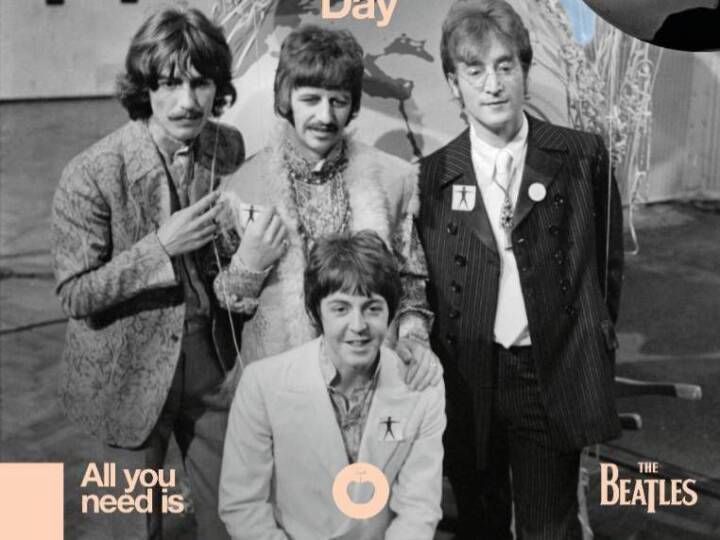
📹 The video is in the original post; the image above is its cover. Watch it in the original WeChat post
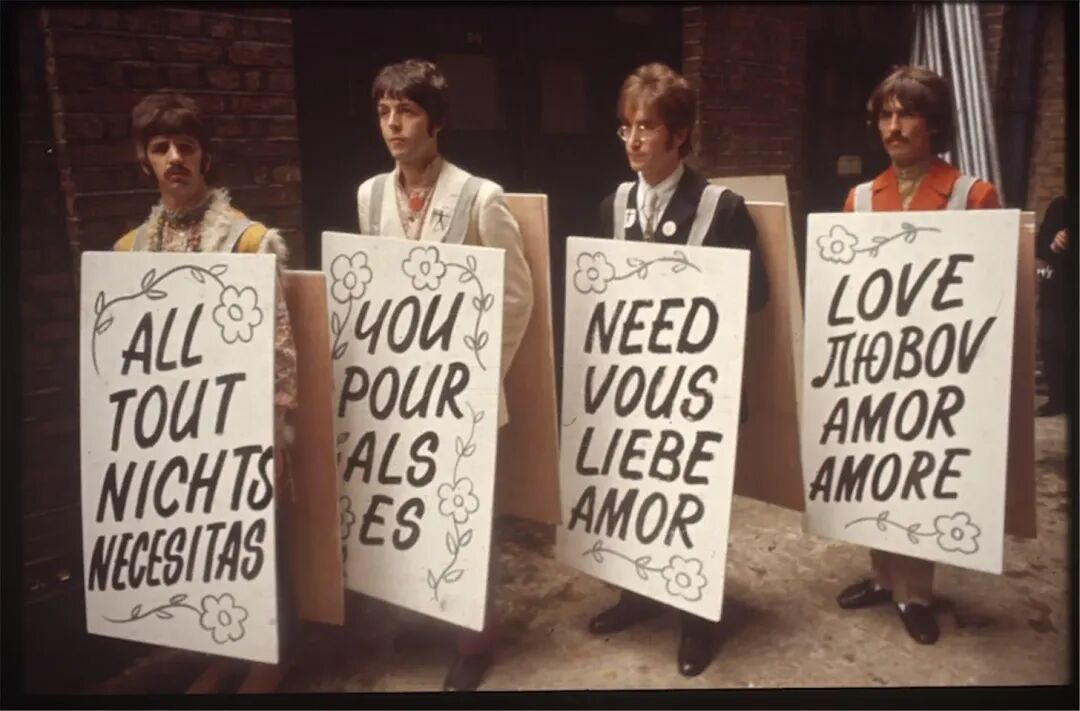
All You Need Is Love
There’s nothing you can do that can’t be done.
Nothing you can sing that can’t be sung.
Nothing you can say, but you can learn how to play the game.
It’s easy.
Nothing you can make that can’t be made.
No one you can save that can’t be saved.
Nothing you can do, but you can learn how to be you in time.
It’s easy.
All you need is love.
…
There’s nothing you can know that isn’t known.
Nothing you can see that isn’t shown.
Nowhere you can be that isn’t where you’re meant to be. It’s easy.
All you need is love.
…
One last recommendation: the trilogy I recently translated and published, The Dionysian Trilogy.
Beer, wine and rum: on the surface, these are three books about drinks. Together, they are more like a map of civilization. Grains, land, sugar cane, oceans, trade, identity and everyday life all meet in a glass. A good read for wine lovers, and just as interesting for people who do not drink.