He Never Made Films, but He Dated Award-Winning Actresses—and Shaped a Generation of Chinese Pop
 Charlotte Rampling wins the European Film Award for Best Actress
Last Saturday, the European Film Awards were announced. British actress Charlotte Rampling won Best Actress for 45 Years. Earlier in February, she had also won the Silver Bear for Best Actress at the Berlin International Film Festival for the same film.
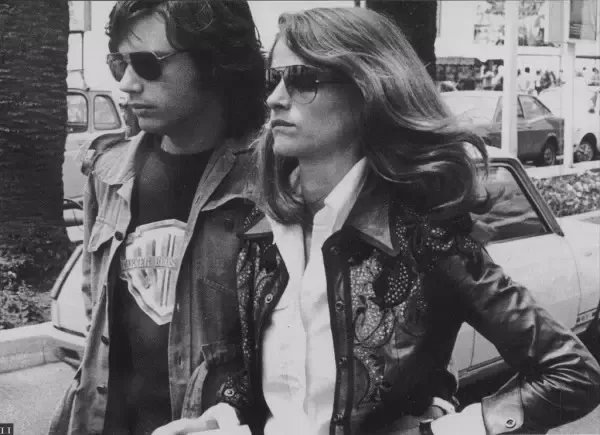 Jarre and Rampling
But today’s story is not about Charlotte Rampling. It is about her former husband, French electronic-music pioneer Jean-Michel Jarre.
He was the first Western pop musician to perform in China after the country opened up—four years before Wham!, whom we wrote about last time.
Jarre was something of a master of seduction: he married or became engaged to three actresses, and each relationship ended after he was unfaithful. He never made films himself, but the “leading ladies” he chose were all award-winning actresses.
Charlotte Rampling
Relationship: 1978–1997 · Married
Rampling began acting in 1965, when she was 19. In 1978, she became Jarre’s second wife and remained his musical muse for nearly 20 years. She did not win the European Film Award for Best Actress until 2003, for François Ozon’s Swimming Pool, but her earlier work had already given audiences some unforgettable screen images.
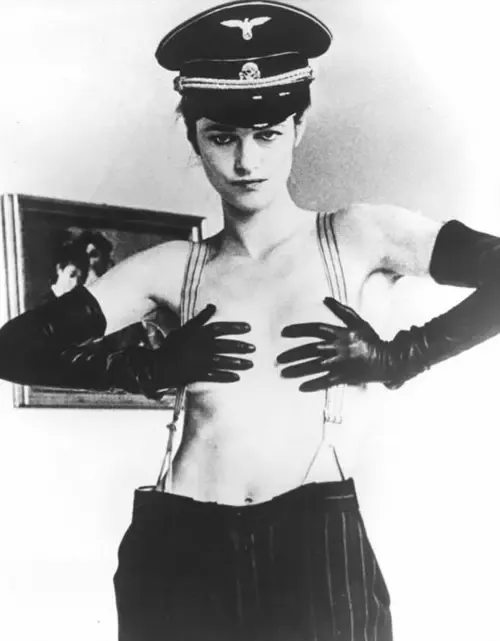 The Night Porter (1974)
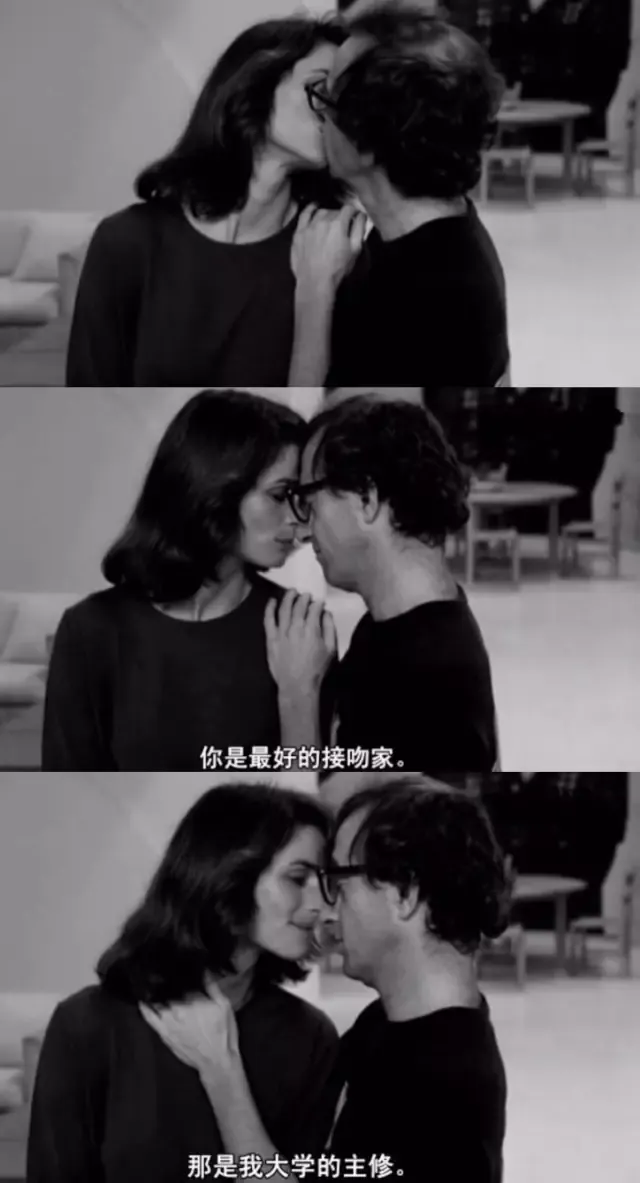 Woody Allen’s Stardust Memories (1980)
Isabelle Adjani
Relationship: 2002–2004 · Engaged
Isabelle Adjani needs no introduction, but few Chinese film fans know much about her relationship with Jarre. It lasted only two years. In 2004, after they had become engaged, Adjani suddenly revealed in a newspaper that Jarre had been unfaithful: “I trusted him so much, and he betrayed me!”
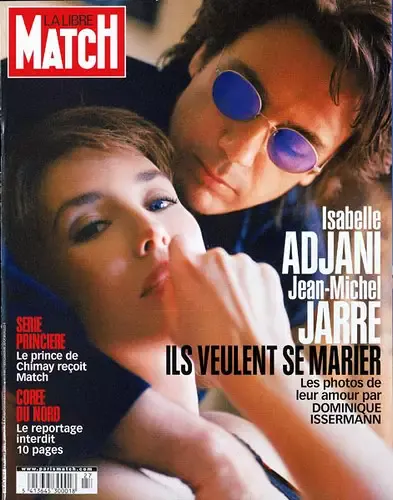 Jarre and Adjani announced their engagement in a magazine
Anne Parillaud
Relationship: 2005–2010 · Married
Even fewer people in China may know Anne Parillaud, but she starred in the celebrated film Nikita, for which she won the 1991 César Award for Best Actress. She was also Luc Besson’s first wife, from 1986 to 1991.
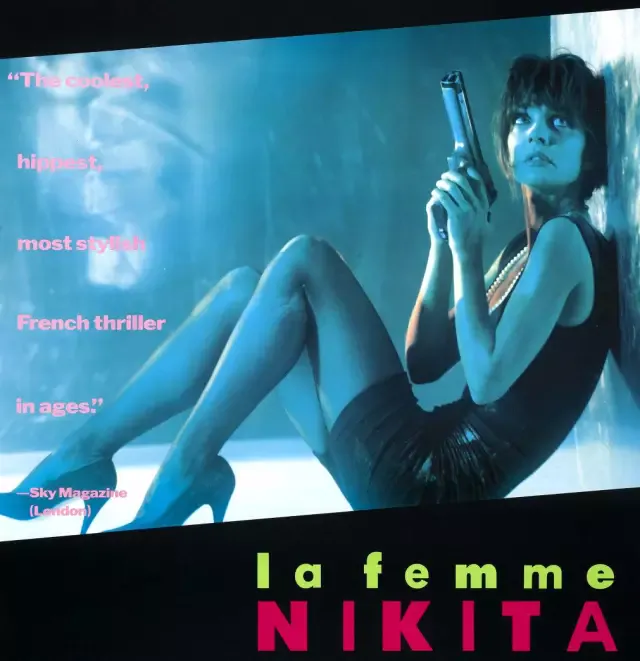 Luc Besson’s Nikita (1990)
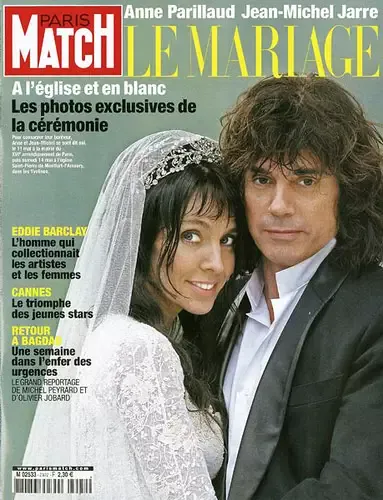 Jarre and Parillaud
He changed the sound of Chinese pop in the 1980s
 Poster: French electronic music’s first visit to China
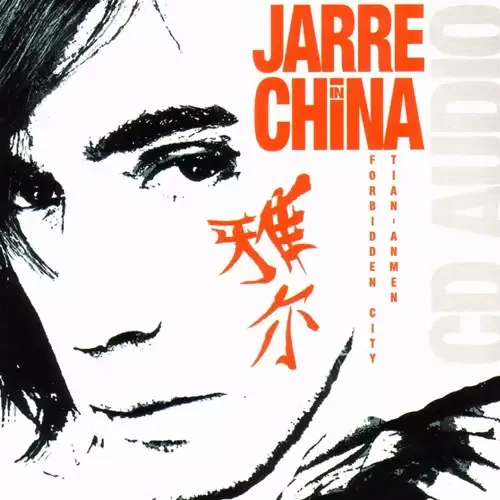
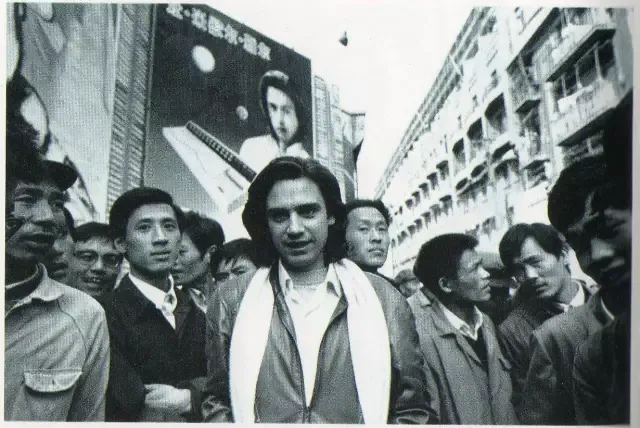 Jarre in China
From October 21 to 29, 1981, Jarre gave five concerts in Beijing and Shanghai. He arrived four years before Wham! and became the first Western pop musician to perform in China after the country opened up. Charlotte Rampling came with him.
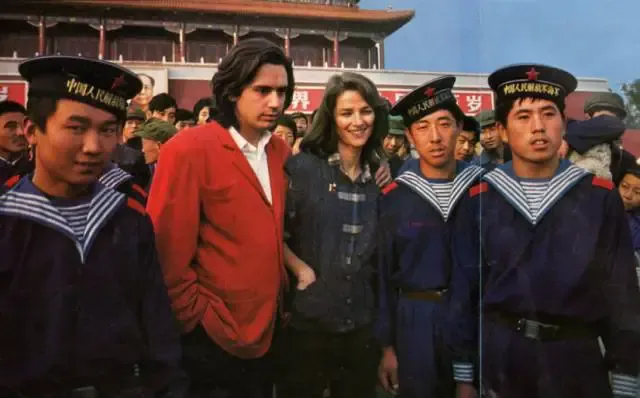 Jarre and Rampling in Beijing
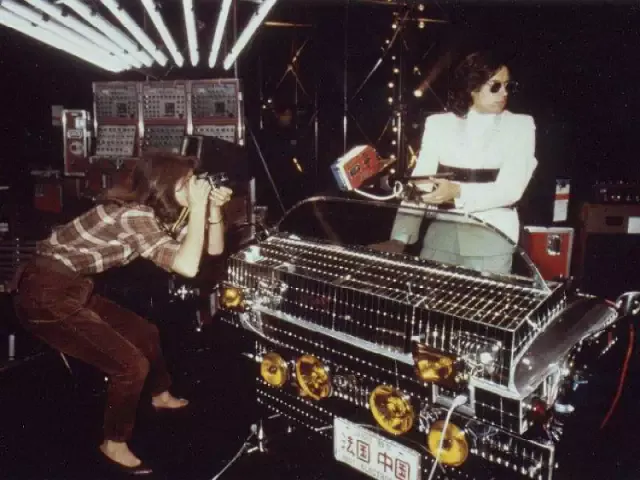 Rampling photographs Jarre at the concert
The huge success of Oxygène (1976) and Équinoxe (1978) had established Jarre as a master of electronic music while he was still in his early thirties. By 1980, the two albums had sold six million copies. On Bastille Day in 1979, his concert at the Place de la Concorde in Paris drew one million people, setting a Guinness World Record.
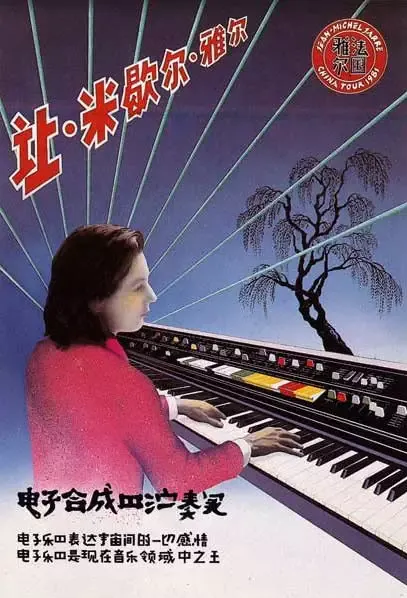 Poster: The electronic synthesizer expresses every emotion in the universe; electronic instruments are the kings of modern music
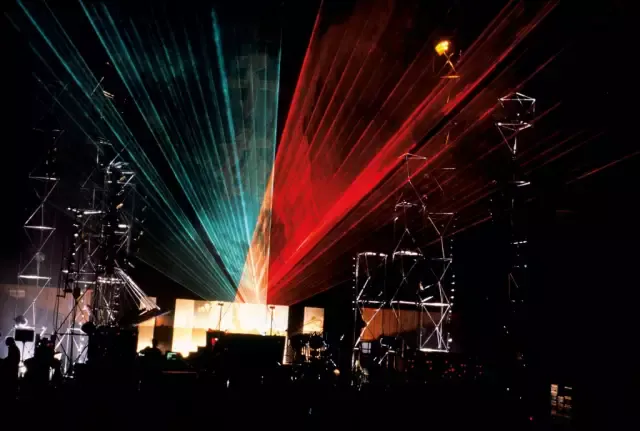 Jarre performing in China
China had only just opened its doors and was fascinated by the West. Most people had no idea what electronic music was, but they noticed Jarre’s achievement. After the Place de la Concorde concert, Jarre began thinking about performing in China.
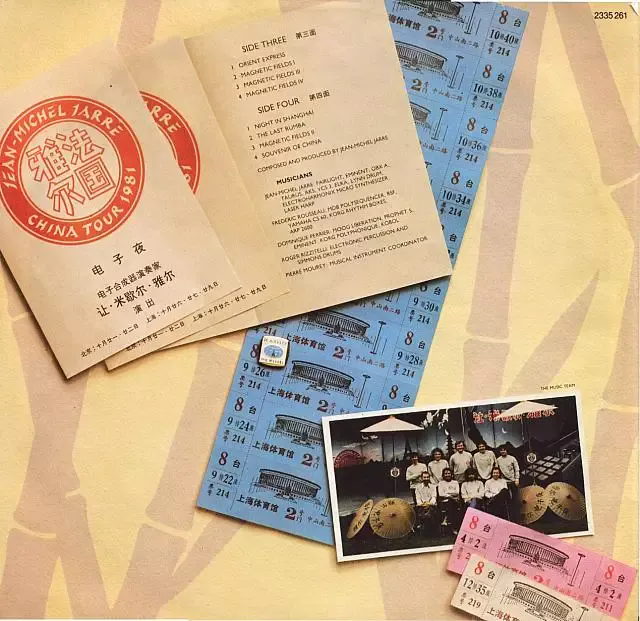 Tickets reportedly cost 0.8 yuan (enough to buy half a kilo of eggs), but were resold for around 10 yuan in Shanghai
The Rolling Stones, Pink Floyd, and Elton John were also hoping to be the first to break through China’s doors. But compared with rock music, which was dismissed as a decadent bourgeois form, China preferred Jarre’s electronic music as a symbol of progress and the future.
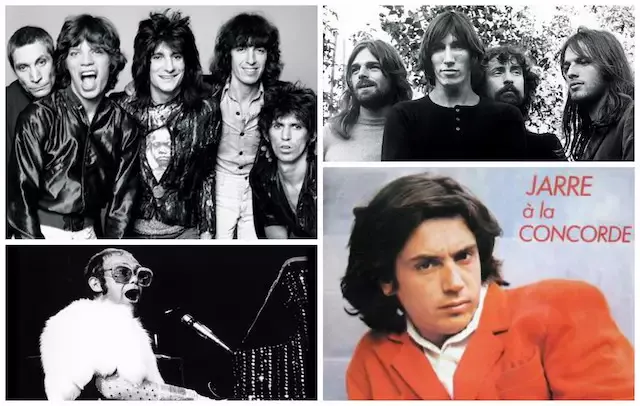 The Rolling Stones, Pink Floyd, Elton John, and Jarre
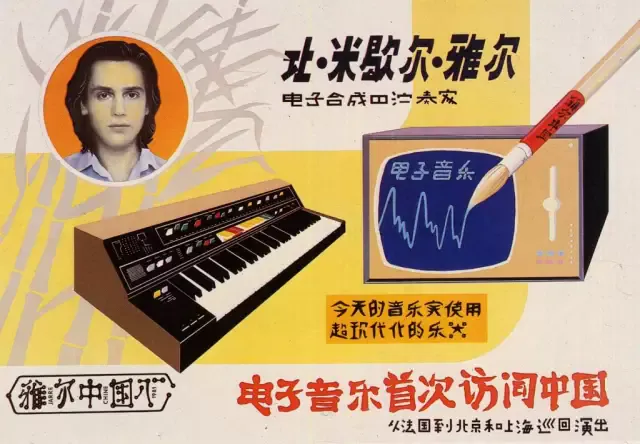 Poster: Today’s musicians use ultra-modern instruments
Jarre’s tour not only set many firsts in China; it also influenced an entire generation of Chinese pop musicians.
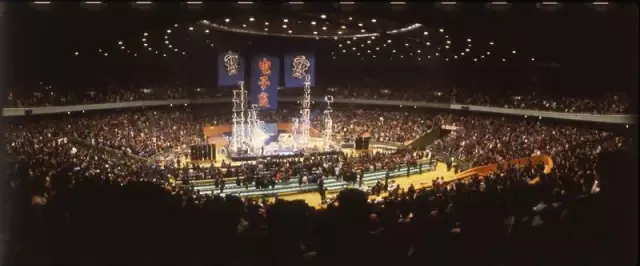 An Electronic Night
In 1980, China National Radio selected tracks from his two albums and broadcast them nationwide, giving hundreds of millions of Chinese their first chance in decades to hear modern Western music.
On his 1981 tour, Jarre used a laser harp for the first time. Chinese audiences were also seeing spotlights, lasers, and other spectacular stage effects for the first time. “It was as if we were playing on Mars aboard a spaceship, and the Chinese audience looked at us as if we were aliens,” Jarre later recalled. To keep the power-hungry show running, some streets around Beijing’s Workers’ Stadium were blacked out.
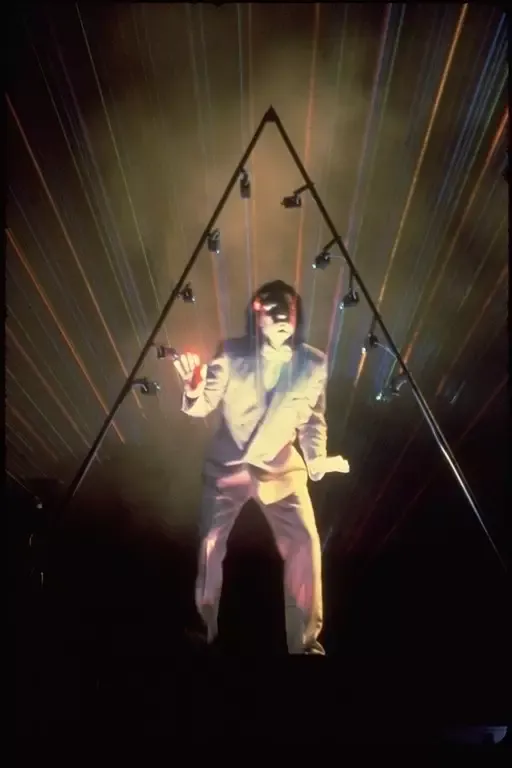 Jarre plays the laser harp
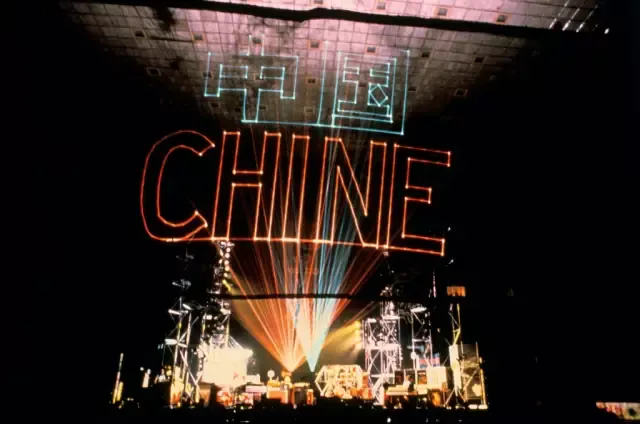
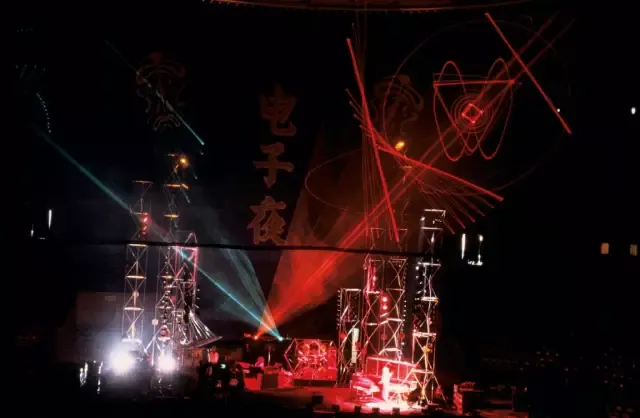
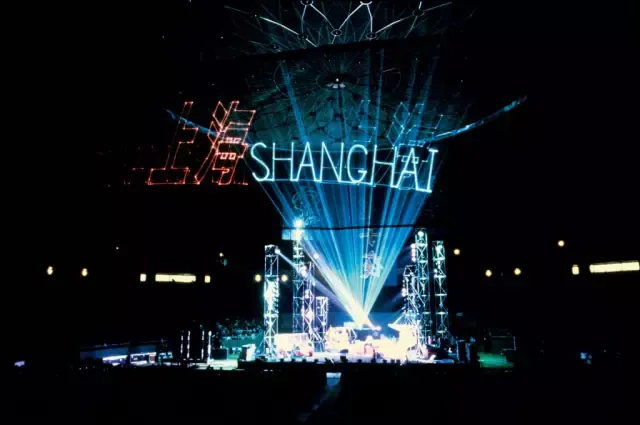
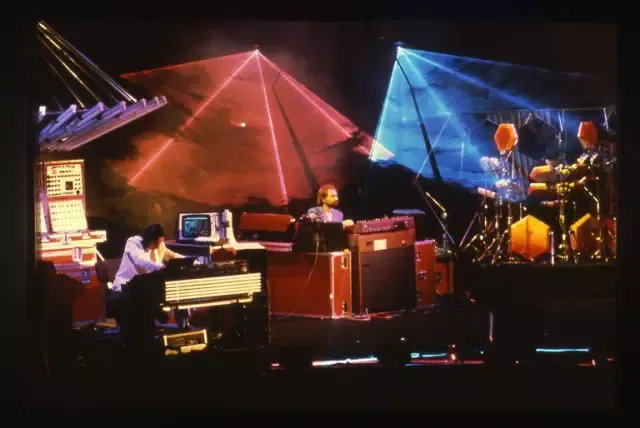
Spectacular stage effects
Jarre gave one of his synthesizers to the Central Conservatory of Music. It was the first electronic synthesizer on Chinese soil. A few months later, Chinese engineers copied the design and built the country’s first domestically made synthesizer.
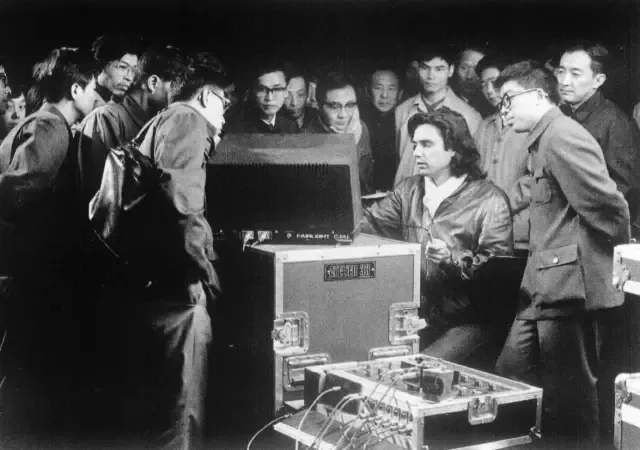 Jarre demonstrates an electronic synthesizer at the Central Conservatory
Inspired by Jarre, the Central Conservatory established an electronic-music program. In 1984, it hosted China’s first fully electronic-music concert in its auditorium. All eight works were composed by graduate students in the composition department; one of them was Tan Dun.
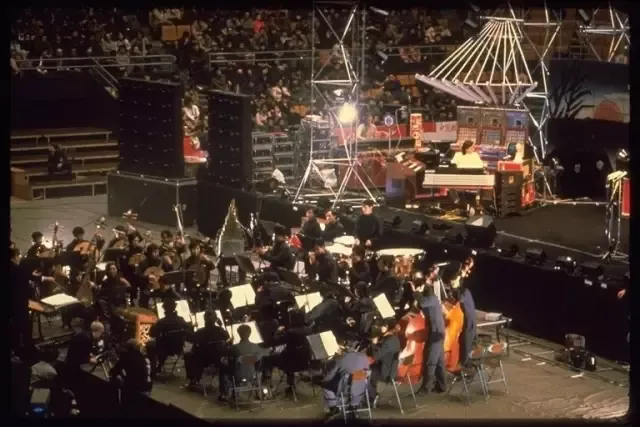 Jarre performs with a traditional orchestra
During his 1981 concert at Beijing’s Workers’ Stadium, Jarre performed his arrangement of “Fishing Boats at Dusk” with a traditional Chinese orchestra. This pioneering blend of traditional and modern electronic music directly influenced many later Chinese compositions, including this one:
2 minutes
Throughout the 1980s, Chinese pop was almost entirely under the spell of synthesizers and disco. The word disco itself is short for the French discothèque, and the era also gave rise to countless easy-listening instrumentals played on synthesizers and electronic keyboards.
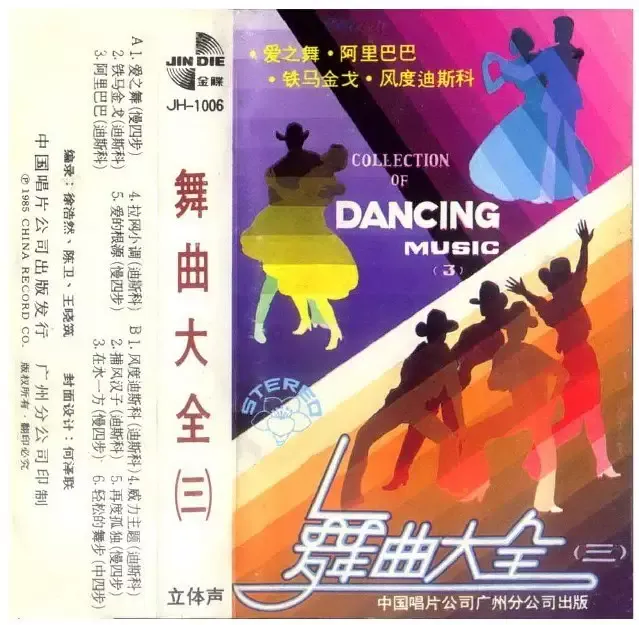 The once-popular Dance Music Collection series from the 1980s
Don’t laugh: even in 2003, Chinese musicians were still exploring nostalgic electronic sounds. ↓
What is long remembered will return. On October 10, 2004, Jarre performed at the Forbidden City as the opening event of the “Year of France in China,” marking 40 years of diplomatic relations between the two countries. It was also the first concert in the world to use 5.1-channel surround sound onstage. Chinese audiences were amazed all over again.
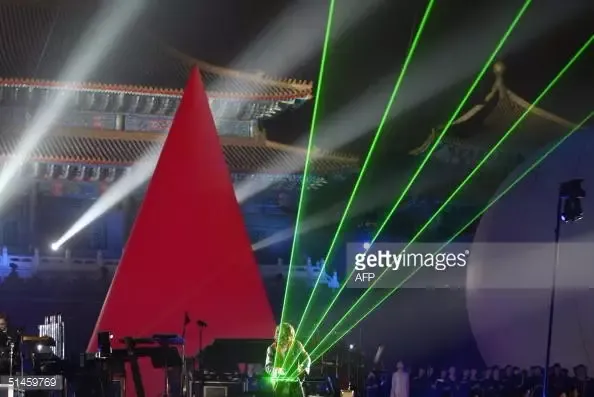 Same trick again: the laser harp
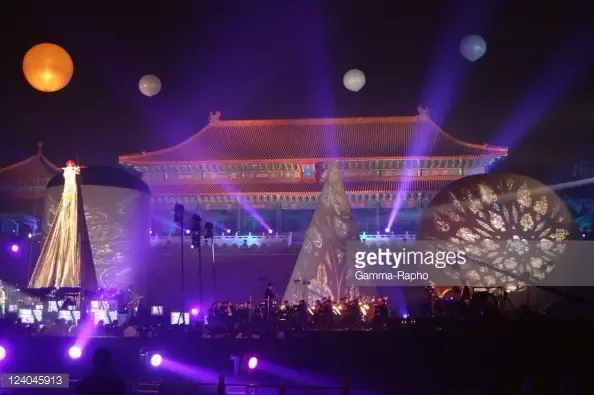
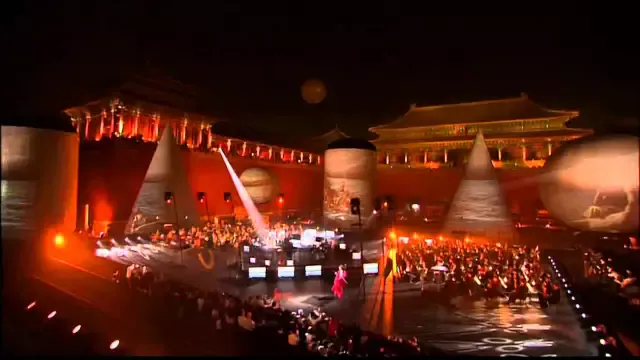
The Forbidden City in a dreamlike light
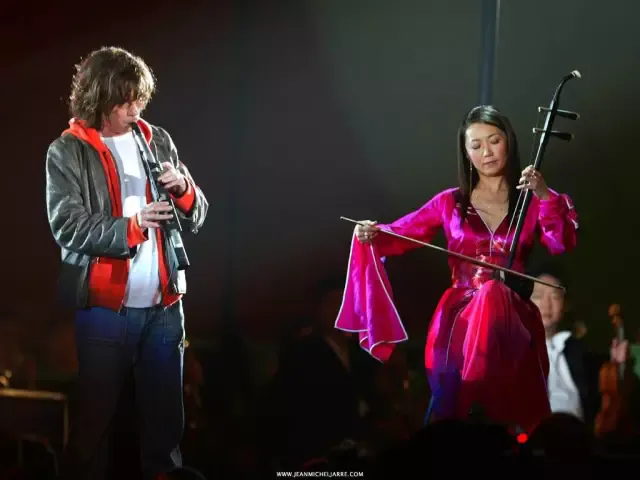 Caught by the Chinese beauties?
Enough talk—the end of the article has a bonus: Jarre’s 1981 China tour documentary and his 2004 Forbidden City concert, all in one place. They are a little long, so watch and then get some sleep. Good night, everyone!
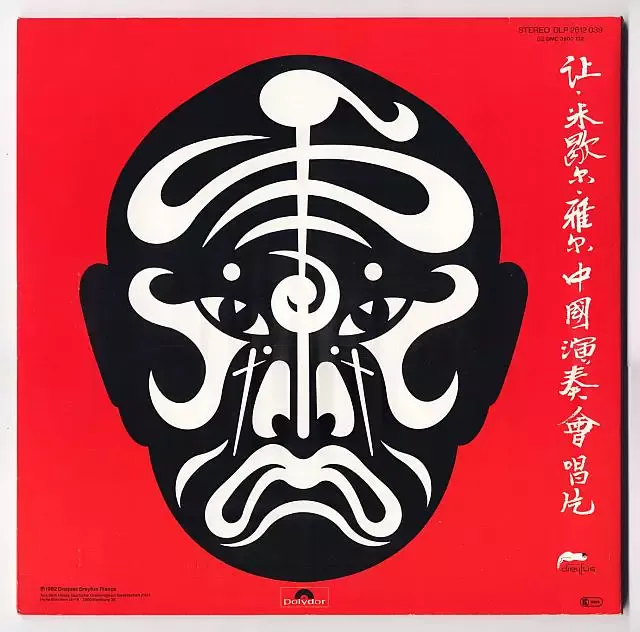
Watch the 1981 China tour documentary
Running time: 1 hour 19 minutes
Watch the 2004 Forbidden City concert
Running time: 1 hour 44 minutes

Cinema is a dangerous adventure.