What’s an Artsy Person Doing at Maker Faire?
6 minutes
What was an arts-and-literature type doing at a tech fair?
On Father’s Day, Finikzine—an artsy account pretending to be a tech publication—went from Guangzhou to Shenzhen to visit Maker Faire. I posted photos on social media and got plenty of likes, but one friend asked: “You’re an arts-and-literature person. What are you doing at a tech event?”
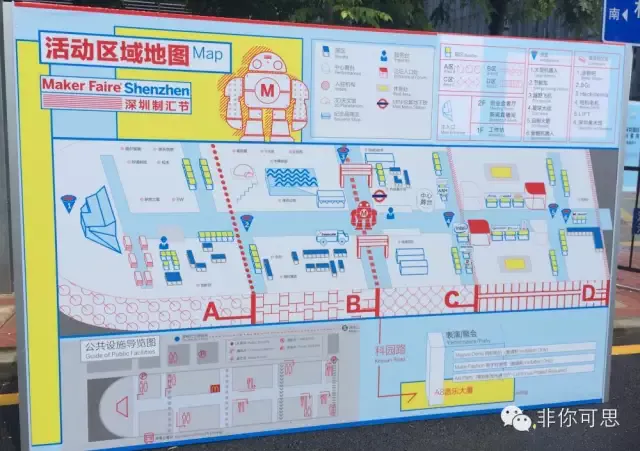
All I could do was shrug. I did take part in math and computer science Olympiads as a child, but that did not get me very far. I studied literature at university—and French literature at that… But I digress. What was I doing there? First, let us see what Maker Faire actually is. Here is the event’s own description:
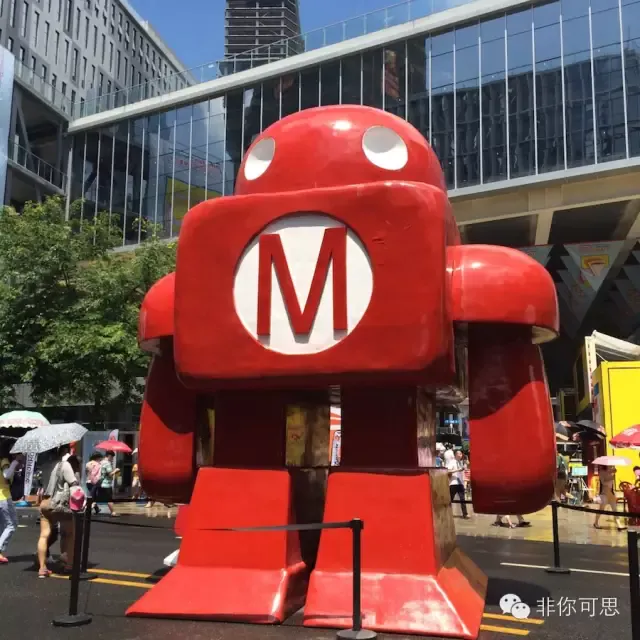
Maker Faire, hosted by the American magazine Make, is the world’s largest DIY gathering. It is a stage for ideas, innovation, and creativity; a celebration of Maker culture; and a weekend carnival the whole family can enjoy.
Exhibitors can showcase their technical ideas, services, and products, share innovation with the public, meet consumers, and even find investors or business partners.
Visitors can enjoy a different kind of family experience, while the exhibits appeal to both makers and creative people. Artists and arts-and-literature types can keep up with trends and become cultural pioneers. Technology can broaden your horizons, and you can discover DIY projects in art, craft, science, engineering, and music.
So Maker Faire is for the whole family, and one of its important audiences is “artists and arts-and-literature types”—or, as we call them, artsy young people.
What did the artsy visitors see?
If artsy people can “keep up with trends and become cultural pioneers” here, what are those trends? From what I saw, the exhibits fell into several main groups:
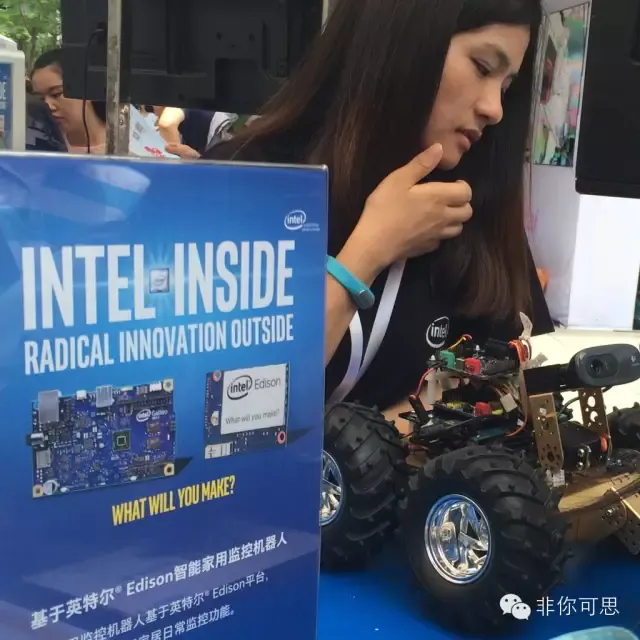
- Smart homes and cloud products: Intel, ARM, Qualcomm, Microsoft, Texas Instruments, Freescale, and other IT giants showed off everything from chips and communications modules to software platforms and finished smart devices. The photo below is just to get a picture of the robot. Ahem.
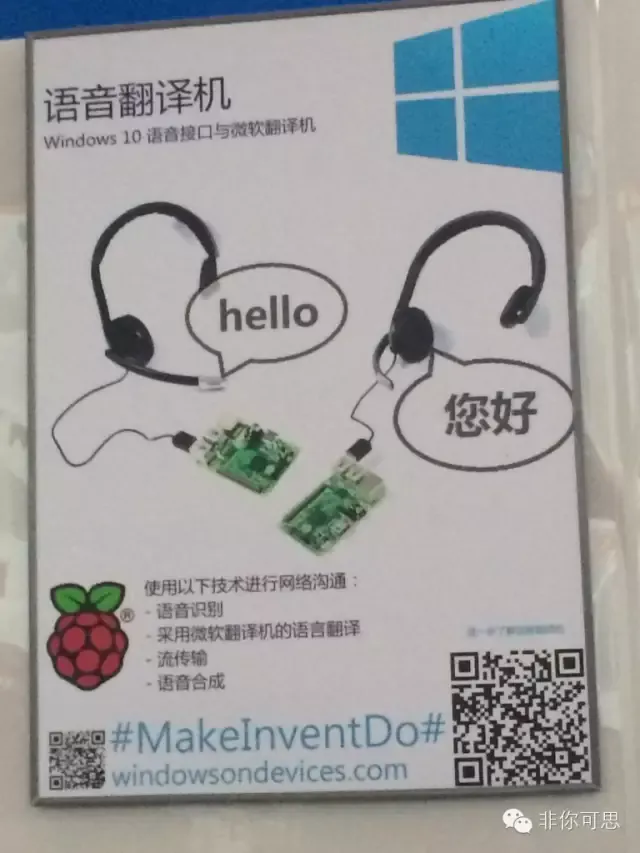
They’re coming for our translation jobs—Microsoft, you’re so mean!
- Robots: Robots were a major focus of this year’s event.
The robot-fighting contest was naturally a highlight.
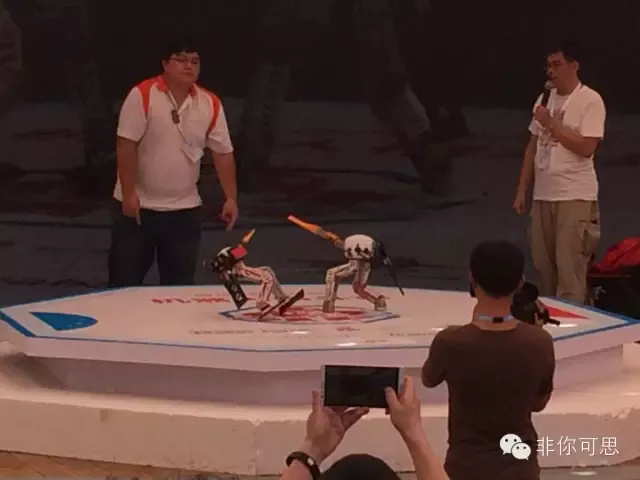
Cute little robots showing off
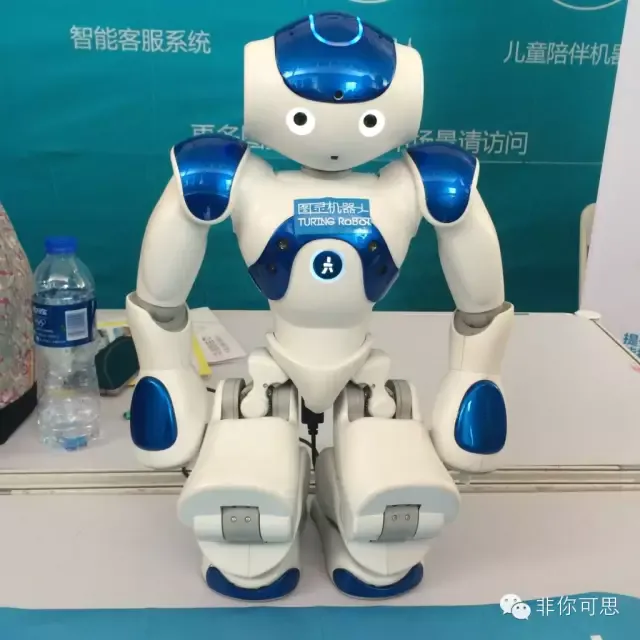
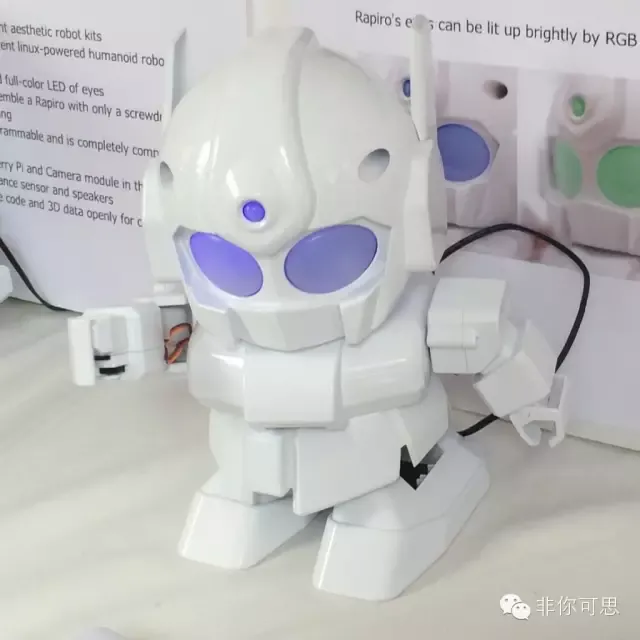
The little robot below is called Rapiro. You can buy it, assemble it yourself, and program it; it runs on Raspberry Pi.
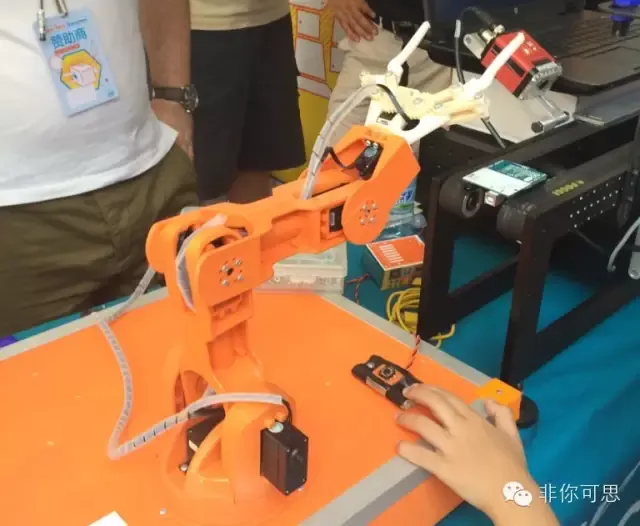
There were also robotic arms for industrial production.
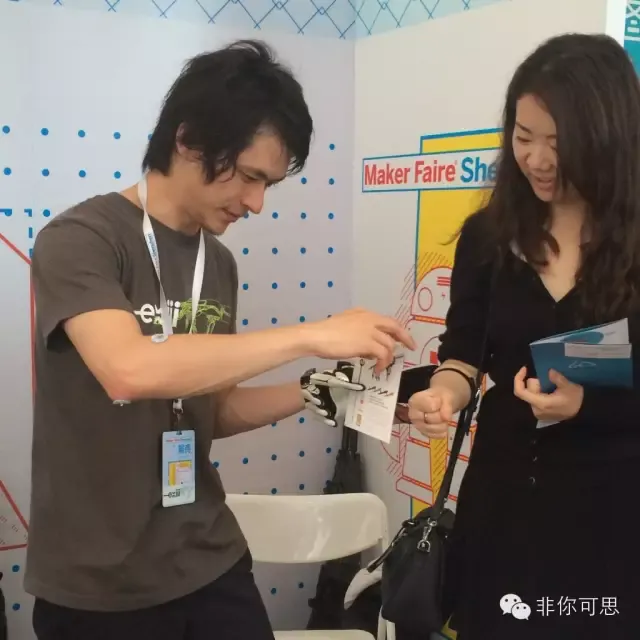
A handsome Japanese man demonstrates a prosthetic arm controlled by muscle movements detected through straps on the forearm.
-
3D printing: Lots of it. Most booths sold plastic 3D printers, but some could print metal—and even molds. That was a real highlight. I was not sure whether the metal parts and molds could match traditional casting and CNC machining, though. (I spent five or six years working in mold making and industrial-product imports and exports after graduation, so I know a little.)
-
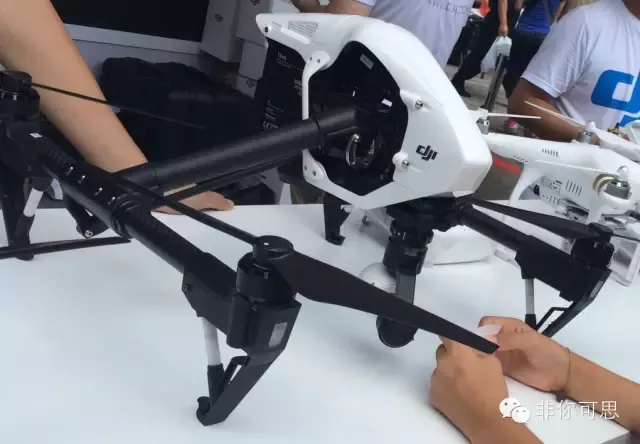
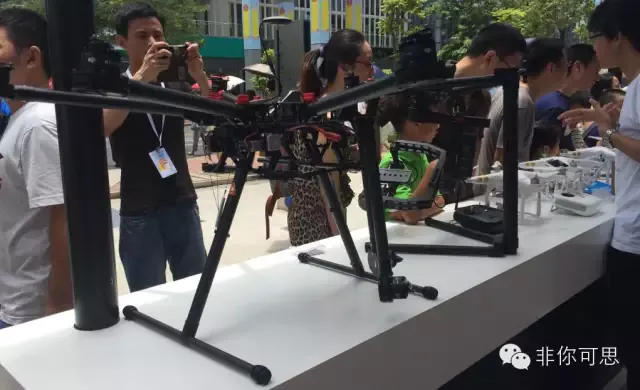
Drones: Lots of manufacturers were there. The biggest name, of course, was DJI!
-
Maker organizations, incubators, and crowdfunding sites: These included the host, Chaihuo Maker Space, and Seeed Studio, which provides open-source hardware. There were incubator parks and even an innovative agricultural O2O platform. A few manufacturers in transition called themselves incubators but were really just buying up ideas.
-
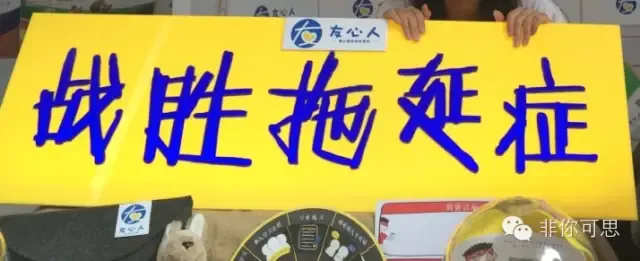
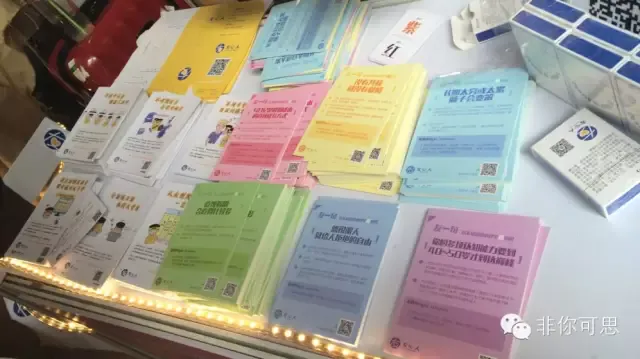
Tech media and other makers: For example, the popular Guokr, and Xin Youren, a psychology-focused group whose founder, keledoll, went to Sun Yat-sen University.
Why should artsy people care about technological innovation?
The French philosopher Bruno Latour once said:
There has never been a period in art when artists did not use the most advanced technologies available, from seventeenth-century optics to nineteenth-century projection and mirrors. An artist who is indifferent to the technological changes of their own time cannot be a particularly good artist.
Think back to a world before the division between the humanities and sciences. Brilliant figures included Mozi, Zhang Heng, Shen Kuo, Leonardo da Vinci, and Benjamin Franklin. Today, disciplines are so specialized that few people can become polymaths or “Renaissance men.” But for creative people who make a living from ideas, knowing more about technological innovation and thinking more broadly through the humanities can spark new artistic ideas and reveal new ways to express them.
And here is something the great Kevin Kelly once said:
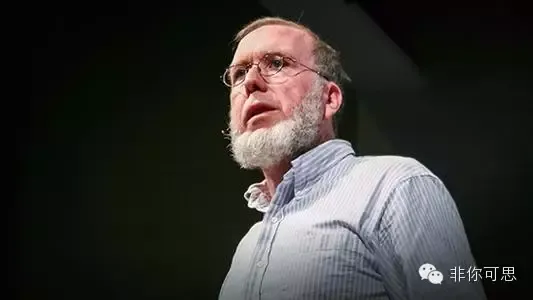
Imagine that the piano had not yet been invented when Mozart lived, or that Van Gogh had lived in a time when oil paints were prohibitively expensive. Every day, children are born with tremendous talent, but the technology they need to express themselves may not yet exist. We have a duty to invent the things that have not been invented.
Helping everyone find the right technology to express their talents is the most positive purpose of technology.