For Eastern European Film Buffs: The Karlovy Vary Festival Turns 50! Films to Watch
July 13, 2015 · Zhang Fengming

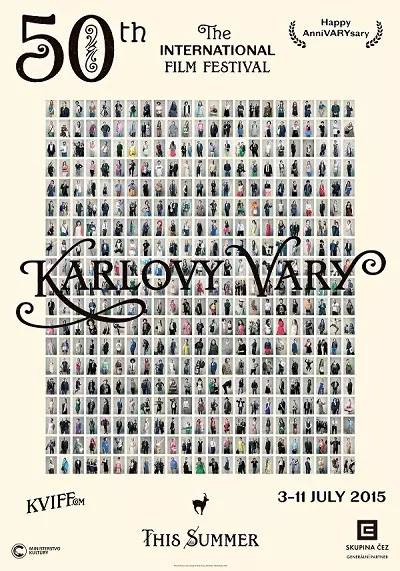
—Karlovy Vary is a spa city in the Karlovy Vary Region of western Bohemia, Czechia, about 120 kilometers west of Prague. In the fourteenth century, Charles IV, Holy Roman Emperor and King of Bohemia, discovered the local hot springs while hunting deer. He founded the town as a royal spa resort.
The 50th Karlovy Vary International Film Festival ran from July 3 to 11 in this Czech spa town, closing in the early hours of July 12 Beijing time. China and the festival both spent a long time in the “Eastern Bloc,” so it should not be unfamiliar to Chinese audiences: Xie Jin’s Hibiscus Town won its top prize. Yet although the festival is an A-list event like Europe’s Big Three, it receives little coverage in China. Now in its fiftieth year, this is the most influential film festival in Central and Eastern Europe. Here is a look at its award winners, which may help plan future viewing.
Festival figures: About 11,000 people attended this year. More than 220 films were screened, and 82,000 tickets were sold.
Award Winners
Competition
Grand Prize: Crystal Globe
Bob and the Trees
Director: Diego Ongaro
Country: United States / France
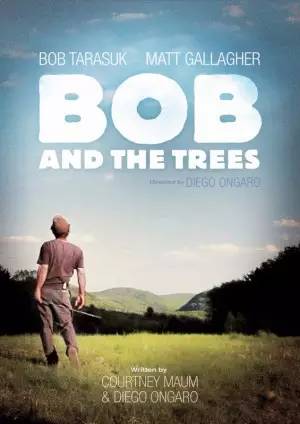
Bob, a farmer in his fifties, has a golf course, gangsta rap and a lush forest—and hopes that life can still improve. When he learns that the forest could fetch a good price, he sees an investment that might make him successful. One night, a pig at a nearby farm contracts rabies after being bitten by a weasel. The quarantine authorities isolate the farm, spreading fear through the town and crushing Bob’s dream of rural life in Massachusetts. The film shows the challenges agricultural communities face amid economic decline and climate change. First-time director Diego Ongaro paints a beautiful, richly detailed portrait of modern rural life.
Best Actor
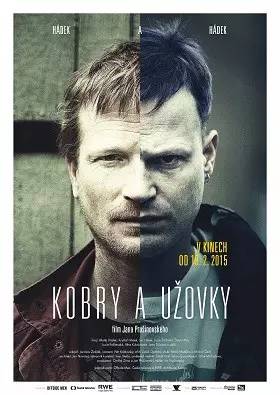
The Snake Brothers (Kobry a užovky)
Director: Jan Prušinovský
Country: Czech Republic
Grass and Cobra are brothers who live in a small town far from Prague. They grew up in a dysfunctional family and took very different paths. Grass is a loser who cannot get a date and is unemployed at home. His brother Cobra is an even bigger wreck and a drug addict. Things change when Grass finally takes a job and meets a waitress at a bar. Cobra is at the lowest point in his life. Grass tries to stop his brother from ruining everything, decides to teach him a lesson—and that lesson becomes the beginning of a nightmare for them both…
Best Actress
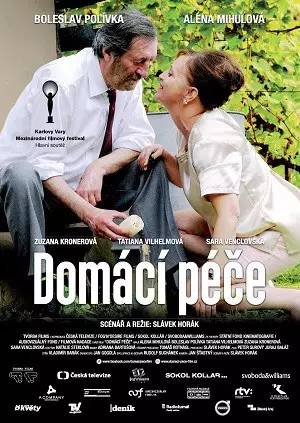
Home Care
Director: Slávek Horák
Country: Czech Republic
Happy lives may all look alike, but each misfortune is different. Vlasta works as a home-care nurse and lives peacefully with her husband, parents and daughter. One day, an accident pushes her out of her sheltered world and makes her realize that she, too, needs care.
Best Director
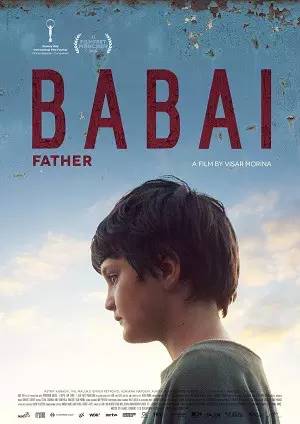
Babai
Director: Visar Morina
Country: Kosovo / Germany
In Kosovo in the 1990s, ten-year-old Nori loses his mother and is abandoned by his father, Gezim. He has no choice but to grow up on his own. After a dangerous journey, Nori finally reaches Germany and reunites with his father, but he can never understand why Gezim left him in the first place. Then Gezim’s asylum application is rejected, and their hopes of staying in Germany begin to fade…
Special Jury Prize
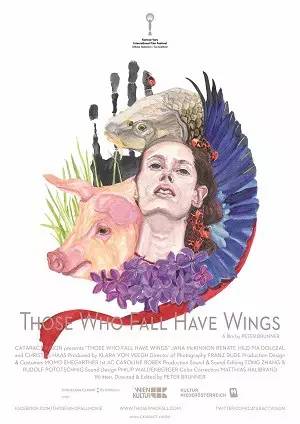
Every Fall Has Its Wings (Jeder der fällt hat Flügel)
Director: Peter Brunner
Country: Austria
A quiet, somber film. The bright Kati and her younger sister, Pia, grow up in their grandmother’s care. The girls are sensitive adolescents, and beneath the apparent calm of their village, tensions simmer. The film follows growth and death side by side.
Other Awards
Non-competition
East of the West Award (for films from former socialist countries)
The Wednesday Child
Director: Lili Horváth
Country: Hungary
This is the feature debut of Hungarian director Lili Horváth. “If you were born on a Wednesday, your whole life would go smoothly,” Maya, 19, once heard in a song from her mother. Then she was abandoned. Ten years later, she has a four-year-old child with her boyfriend. But her life is far from smooth: she has nothing but her young boyfriend, who is intensely controlling and tries to involve himself in every part of her life.
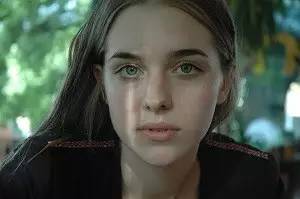
FIPRESCI Prize
Box
Director: Florin Șerban
Country: Romania

A new film from the director of If I Want to Whistle, I Whistle. Rafael is a promising 19-year-old boxer. He lives a disciplined life: work, training and time at home with his modest father. His only real passion is secretly watching Cristina, a 34-year-old married actress, a melancholy woman burdened by worries. She has been married to an actor for years, and their life together has long lost its spark. Two people, two completely different lives, apparently unconnected—ordinary and uneventful on the surface, but full of tension underneath.
Other Films in Competition
Brief Introductions
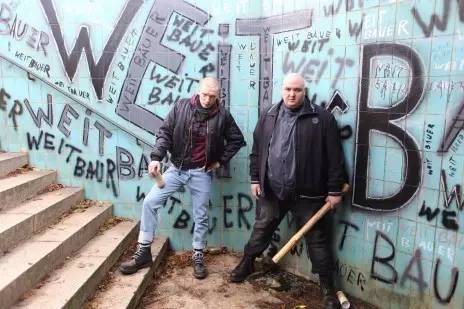
Heil — Directed by German filmmaker Dietrich Brüggemann, this is a satirical mockumentary comedy about German neo-Nazis.
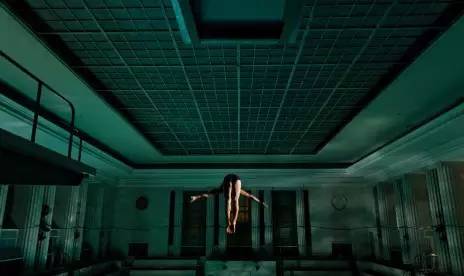
The Red Spider — A psychological thriller by Polish director Marcin Koszałka, based on a serial-murder case that shocked Poland in the 1960s.
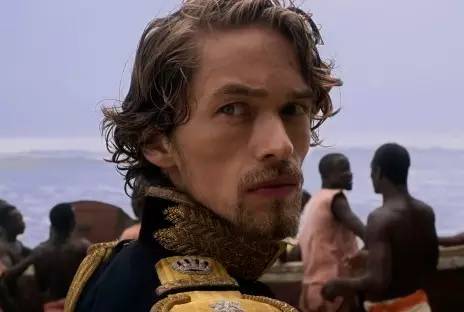
Gold Coast — The first feature by Danish director Daniel Dencik. In 1836, a Danish man full of romantic ideals travels to Africa’s Gold Coast to establish a plantation. His convictions soon collide with the slave trade and brutal violence there.
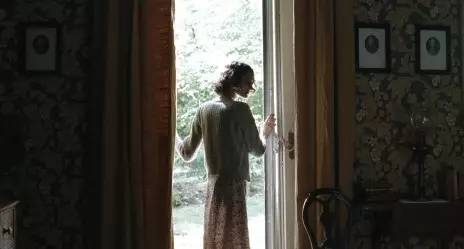
Antonia — The first feature by Italian director Ferdinando Cito Filomarino, a biographical film about Italian poet Antonia Pozzi.
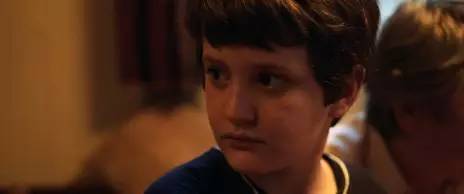
Babai — By Kosovar director Visar Morina, the story of a ten-year-old boy’s journey with his father from Kosovo to Germany.
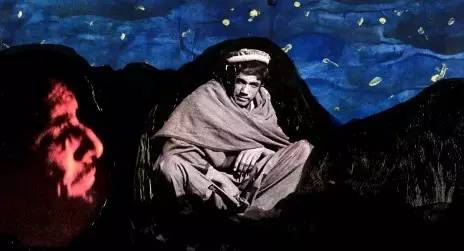
The Magic Mountain — Directed by Romanian filmmaker Anca Damian. Using collage animation, it tells the adventure of mountaineer and photographer Adam J. Winkler, who fought the Soviets in Afghanistan in the 1980s.
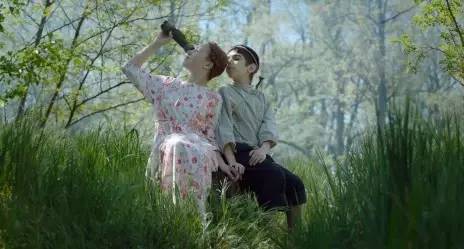
Song of Songs — Directed by Ukrainian filmmaker Eva Neymann. Inspired by the Jewish writer Sholem Aleichem, it evokes life in a Jewish town at the beginning of the twentieth century with a nostalgic imagination.
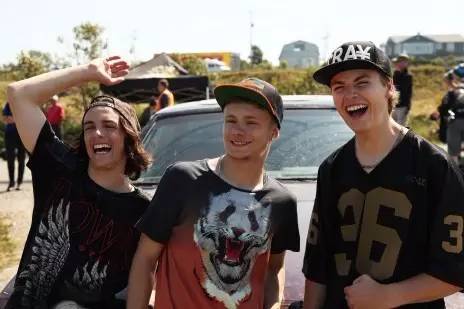
The Sound of Trees — A film by Canadian director François Péloquin, a coming-of-age story set against Quebec’s beautiful scenery.
Other New Films to Watch
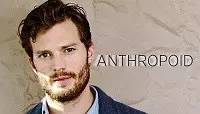
Anthropoid — Directed by Sean Ellis and starring Jamie Dornan and Cillian Murphy. Based on a true story: in 1941, the Czech government-in-exile in London trained two Czechoslovak soldiers and sent them to assassinate Reinhard Heydrich, a senior Nazi SS leader. The operation was code-named Anthropoid.
Restorations and Tributes
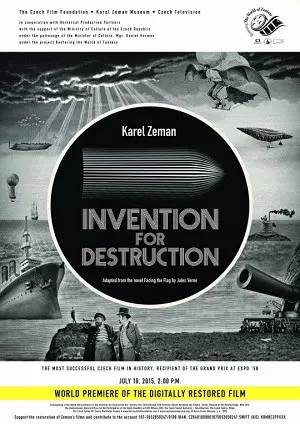
The festival’s major gift for its fiftieth anniversary was a digitally restored version of Invention for Destruction. This science-fiction masterpiece by Czech director Karel Zeman was made 57 years ago and remains the most successful Czechoslovak film ever. It premiered and won a major prize at the 1958 World Film Festival at Expo 58 in Brussels. The Czech Film Fund’s “Restoring a World of Fantasy” program carried out the digital restoration. On July 10, the restored film was scheduled to screen simultaneously at the Karlovy Vary festival, the National Film Museum at Expo Milano 2015 and the Museum of the Moving Image in New York.
A Brief History of the Karlovy Vary Film Festival
Karlovy Vary’s connection to cinema goes back to the very birth of film. In 1896, some of the world’s earliest films—by the Lumière brothers and Edison—were already being shown in Prague and Karlovy Vary.
Karlovy Vary is one of the five major international film festivals recognized by the International Federation of Film Producers Associations (along with Venice, Cannes, Berlin and Montreal). It was founded later than Venice (1932) and Cannes (1939). In 1946, the year after the end of the Second World War, a group of film enthusiasts who had been active before the war established a festival in Mariánské Lázně, Czechia. The first festival was non-competitive and screened films from seven countries. The second moved to nearby Karlovy Vary, where it has taken place in the first half of July ever since.
In February 1948, the Communist Party took power in Czechoslovakia, and the festival came under the country’s state film department. For decades, Karlovy Vary became the communist bloc’s cinematic counterweight to the West’s Venice and Cannes festivals. Film selection, prizes and guest invitations all had to serve communist propaganda. Most major awards went to films from socialist countries.
From 1946 to 1958, the festival was held every year except 1953 and 1955. The Soviet Union launched the Moscow International Film Festival in 1959. The Western-controlled International Federation of Film Producers Associations (FIAPF) required Moscow and Karlovy Vary to alternate, so Karlovy Vary became biennial. It did not return to an annual schedule until 1994.
In the 1960s, Czechoslovakia entered an ideological “thaw,” and the Czech New Wave emerged. Many outstanding Czechoslovak films screened at Karlovy Vary and also made a splash at Western festivals such as Venice and Locarno. A number of excellent Western films also screened at Karlovy Vary.
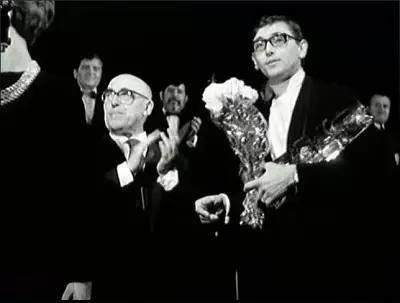
The 1968 festival opened during the Prague Spring. The “spring of reform” was reflected in the festival rules: there was no official jury. Instead, three international juries judged creativity, performance and technical achievement separately. Czech New Wave director Jiří Menzel won the top prize, the Crystal Globe, for Capricious Summer. His Closely Watched Trains had just won that year’s Academy Award for Best Foreign Language Film.
But the good times did not last. On August 20, 1968, the Soviet Union invaded Prague; the next day it occupied all of Czechoslovakia. Karlovy Vary remained open to films from around the world, but in the 1970s and 1980s almost all its award winners came from communist-bloc countries. One notable exception was China: at the 26th festival in 1988, director Xie Jin won the Crystal Globe for Hibiscus Town.
Karlovy Vary operated under political pressure for forty years and continued to struggle for several years after the Velvet Revolution of 1989. At the 1990 festival, several previously banned Czech films were allowed to screen, but the public showed little interest, and the festival could not shake its tarnished reputation. In 1994, a team led by actor Jiří Bartoška and film journalist Eva Zaoralová took over and set out to turn it into a forum hungry for international attention. In the following editions, the presence of internationally renowned filmmakers—especially Czech director Miloš Forman, who had been forced into exile in the United States after the Prague Spring—greatly increased the festival’s profile. Forman’s best-known works include The Firemen’s Ball, One Flew Over the Cuckoo’s Nest and Amadeus. Bartoška and Zaoralová’s team gradually established new programs and an organizational structure. Within a few years, the festival had regained its international reputation and won back the favor of film professionals and the public.
WeChat: cinematik
Qiyu Film · A life in cinema