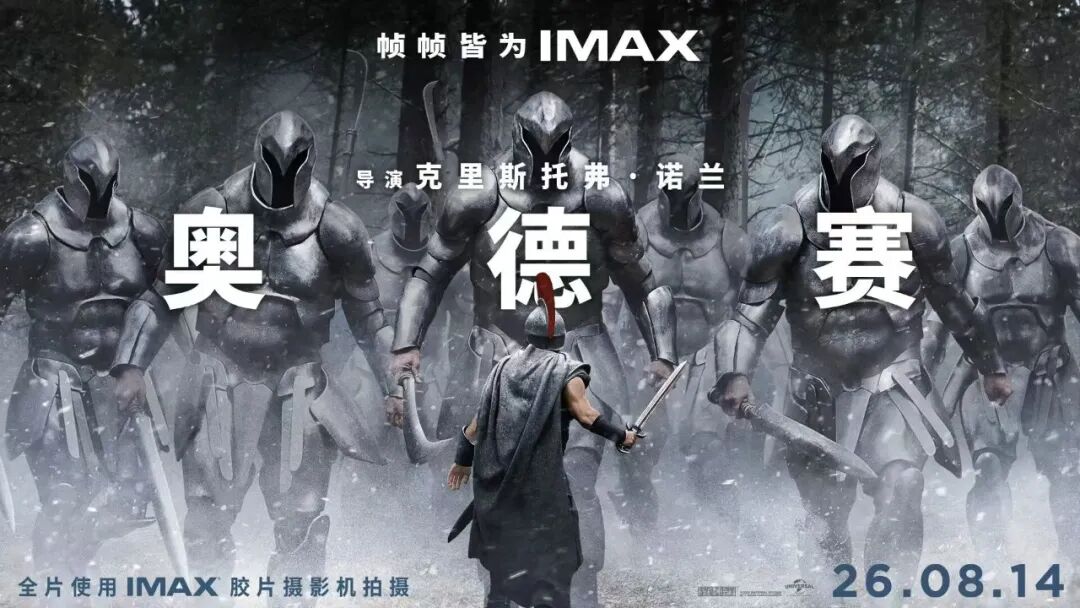
Christopher Nolan has recently been giving interviews about his new film, The Odyssey. The movie has not opened yet, but the debate around it has already made the rounds. People on social media have held a trial on whether the casting is right, how the story should be filmed and whether AI will be involved in the creative process.
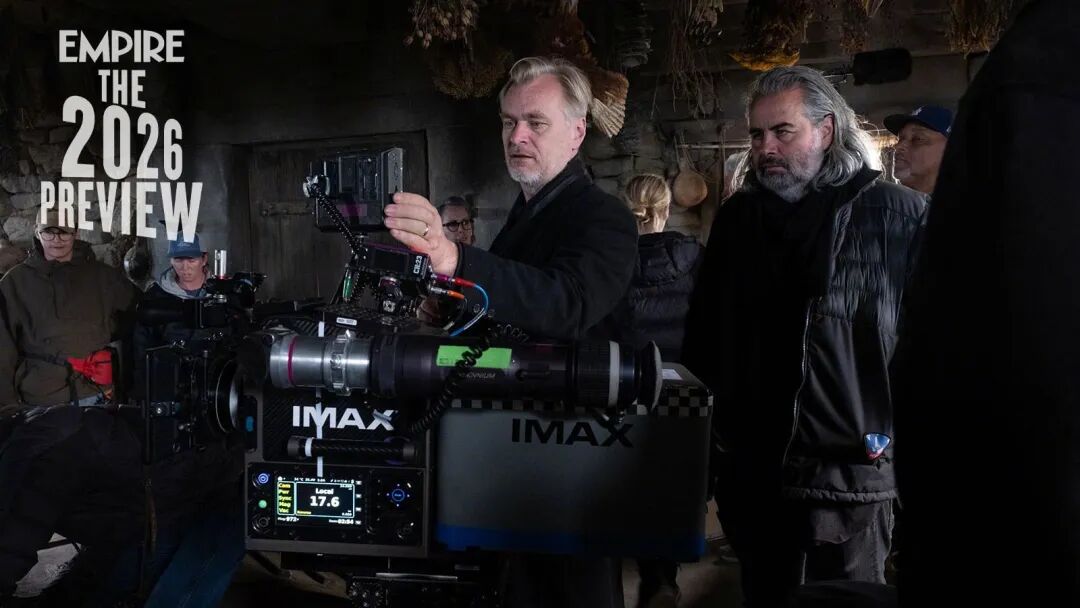
Nolan is not too worried about that. He says arguments before a film’s release are often meaningless, because the people taking part do not yet know what the film actually is. It is like reminding people who have already finished their appetizers that the main course has not arrived yet.
What he had more to say about was artificial intelligence.
Nolan said he had rarely seen a technology so warmly embraced by Wall Street, investors and technology companies while being rejected so completely by the public. Young people have given a vivid name to the mass-produced writing, images and videos: AI slop.
The phrase sounds a little crude, but it captures how many people feel. You come across a video with smooth visuals, steady voice-over, no typos in the subtitles and even a twist that seems to have taken real effort. But once it is over, nothing stays with you. It is like a piece of gum chewed up by a machine, spit out and repackaged.
Nolan did not describe AI as a technology that should be driven out of filmmaking. He acknowledged that it might offer useful visual tools. The question is whether it has genuinely helped someone create something, or has simply helped a platform fill the screen faster.
It is easy to confuse those two things.
A cinematographer using a tool to remove clutter from a shot, and a company using a model to generate ten thousand short videos that no one is accountable for, can both be called AI use. One is solving a specific problem. The other is creating more problems that then need to be dealt with.
What Nolan seems most wary of is not the tool itself, but managers using it to avoid responsibility. He has previously said that companies and production studios cannot use AI as a way to dodge accountability. Actors are replaced, writers are cut, crew members lose their jobs, and in the end everyone says, “It is the inevitable result of technological progress.”
That is a useful sentence, much like “The system made the decision automatically” in an office. No one made the decision, so no one has to explain it.
Hollywood has seen major strikes over AI rights for actors and writers. On the surface, the dispute was about copyright, likeness and pay. Underneath was another question: do the people who create a work still have the right to be responsible for it?
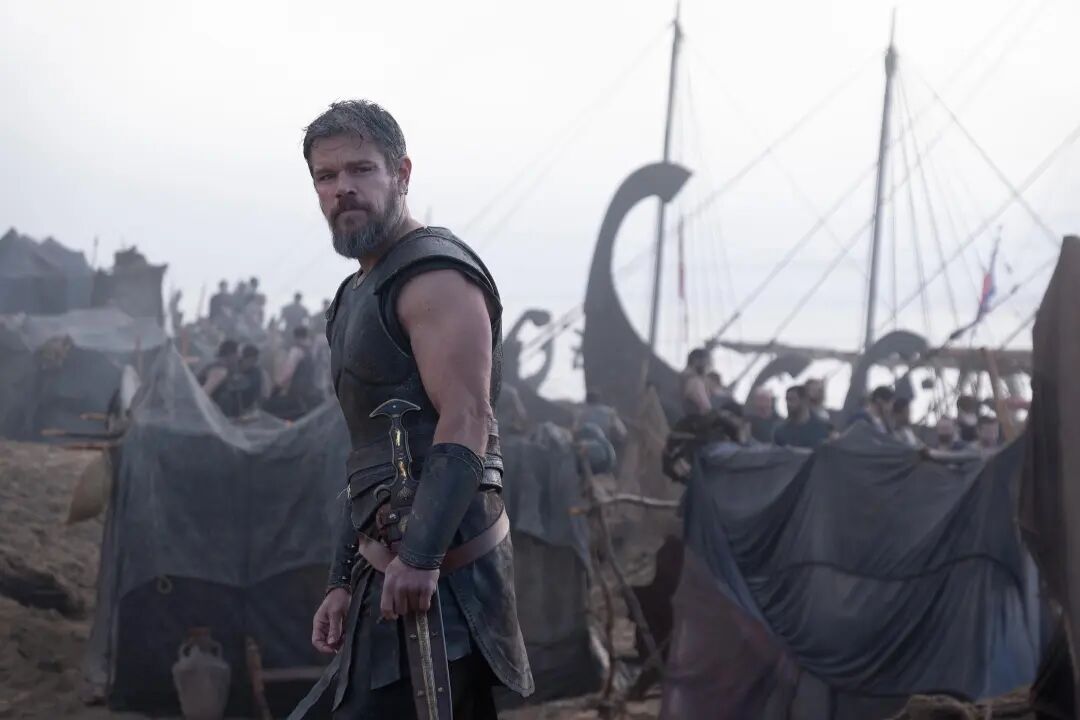
Nolan offered an interesting contrast with The Odyssey. The film reportedly has a budget of around $250 million. He took his cast and crew to locations across the Mediterranean, using large-scale practical sets and visual effects to bring cyclopes, sirens and a long journey home to life—imaginations that have existed for more than two thousand years.
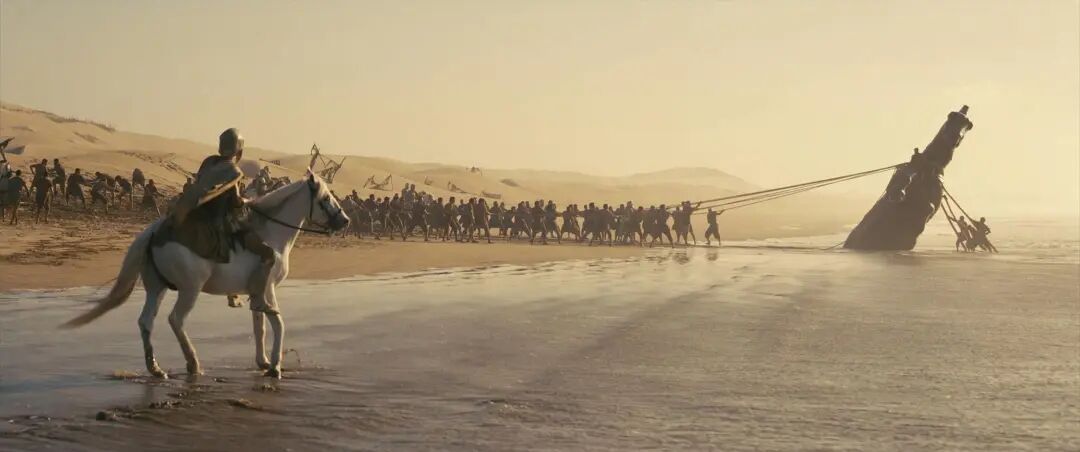
The Odyssey has survived to this day not because it is packed with information or because the ancient Greeks were especially good at making TV dramas. It survived because someone turned human fear, desire, exhaustion and the longing to go home into a story that generations could experience again.
Technology can help us create waves, but it cannot automatically decide why someone needs to go home.
That may also be why young people reject AI slop. They are not rejecting technology or new things. They are simply getting quicker at telling whether the content in front of them comes from one person’s observation or from a system stirring old material together again.
The value of human creativity has never been just about making something. It also includes hesitating before you make it, taking a risk while you are making it, and being willing to admit afterward that it may not be perfect.
AI can make content cheaper, faster and more content-like. But what lasts in films, music and novels is often exactly what is inefficient: one person’s bias, an awkward choice, a pause that someone refused to cut.
Nolan said the idea that artificial intelligence will replace human creativity is absurd. That judgment may not solve every creator’s real-world bills, but it reminds us that the best use of technology may not be to optimize the act of creation itself. It may be to improve the things that leave creators no time to create.
As for whether the film is any good, let us wait until it comes out.