9.6: Without a Doubt, a Masterpiece
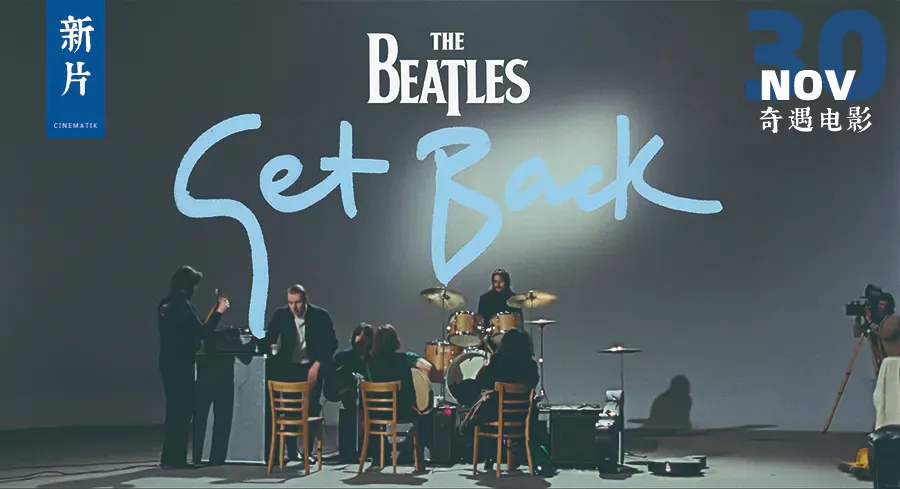
Three years after They Shall Not Grow Old (2018), Peter Jackson—the technical wizard known for The Lord of the Rings and The Hobbit—has finally unveiled a new project: a documentary about the Beatles, The Beatles: Get Back.
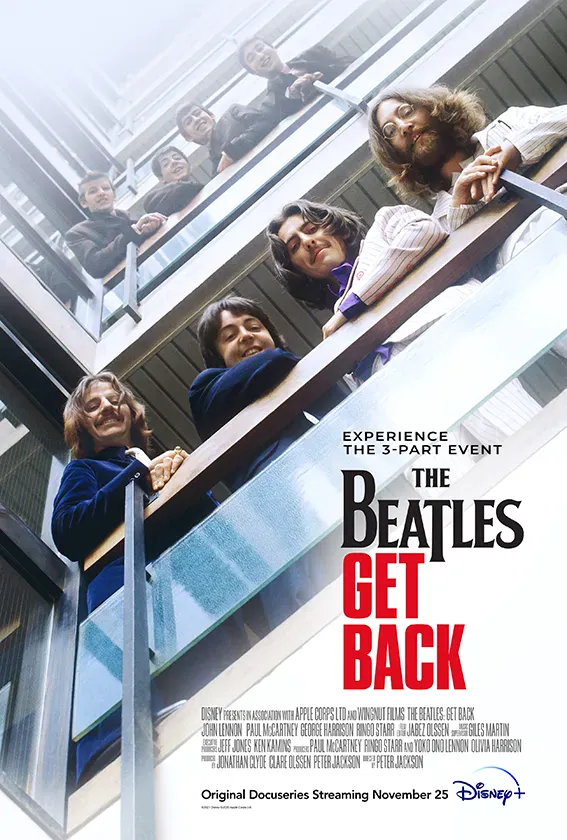
With They Shall Not Grow Old, his landmark film commemorating the centenary of the First World War, Peter Jackson showed us a different possibility for cinema.
He used the most advanced AI techniques of the twenty-first century to restore battered film from the last century, making old footage look as if it had just been shot and allowing young people today to return to the past without feeling removed from it.
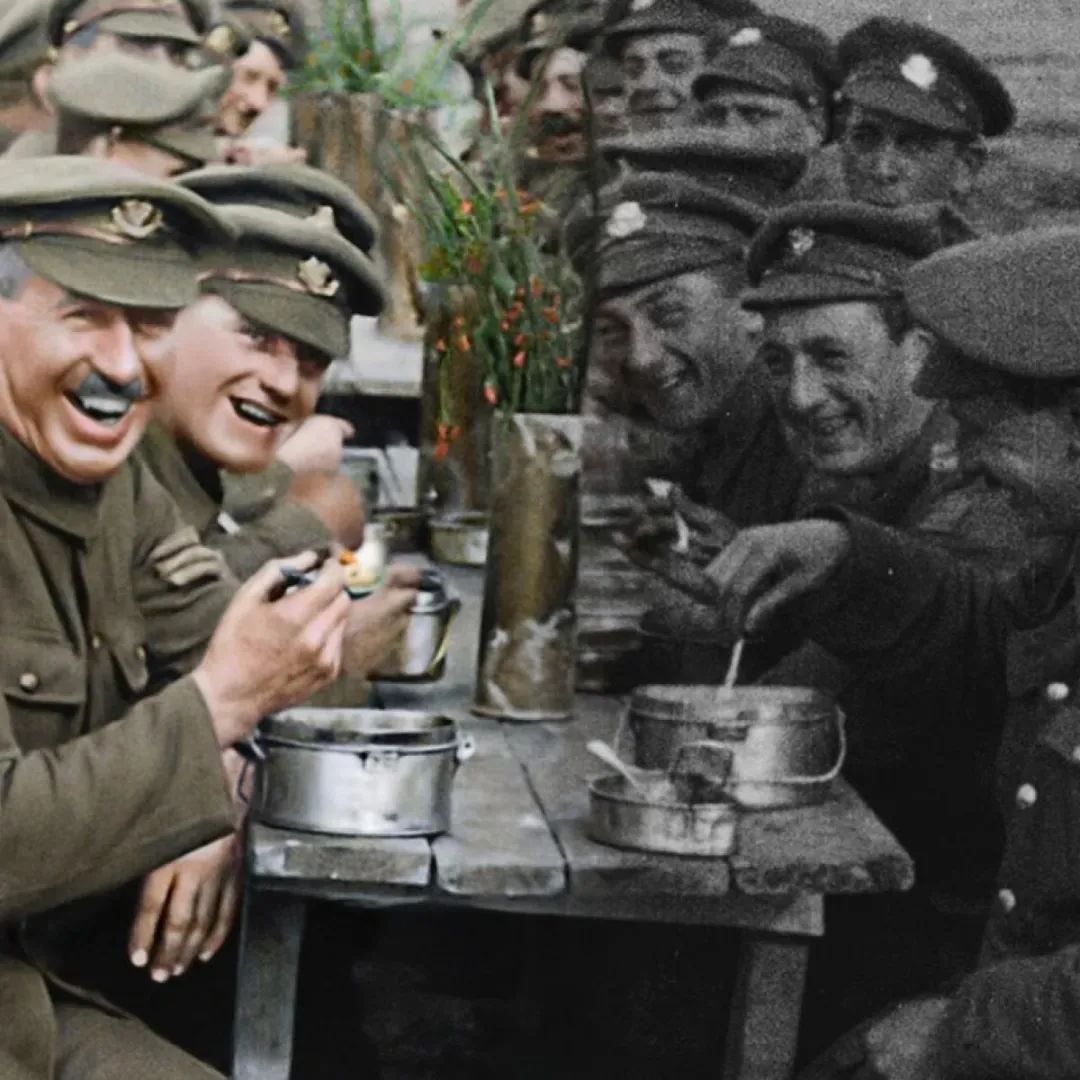
They Shall Not Grow Old brought soldiers from a century ago vividly back to life through colorization, frame-rate adjustments, and AI-assisted motion work.
The film’s success—now rated 8.8 on Douban—makes Jackson’s next project all the more anticipated.

This time, he has reconstructed the Beatles’ January 1969 effort to prepare Get Back, the sessions for what was to be their next album—and their first recorded entirely live.
For the Beatles, the album represented a renewed faith in art rock and, above all, in performing live, after their enormous worldwide success throughout the 1960s and the setbacks brought by religious controversy—even as irreparable rifts had opened after 1968’s The White Album.
You can already hear on The White Album that the Beatles were no longer together in spirit.
That makes this a precious moment in history. For this great band, everything was at stake: would they stay together, and could the four of them keep going?
The month-long rehearsals in January 1969 left more than 60 hours of footage and 150 hours of audio.
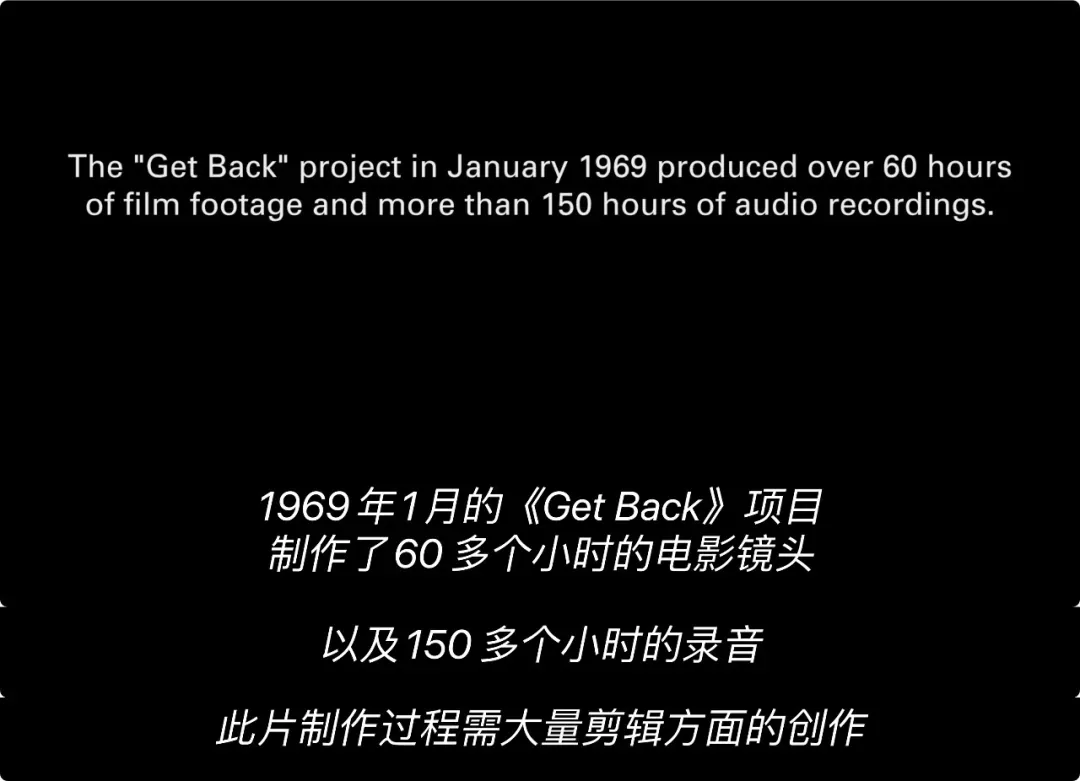
Jackson had to restore the footage and edit it back into chronological order, rebuilding the rehearsals day by day.
The film lets us return to 1969 and experience a rare moment in human history when avant-garde culture could become mainstream.
More than that, it pieces together an answer from this archive of images:
Why did the Beatles announce their breakup at the height of their career?
The answer is in the details.
This weekend, Disney+ finally released The Beatles: Get Back: a 7.5-hour first season.
It arrived with a 9.4 rating on IMDb and 9.6 on Douban.
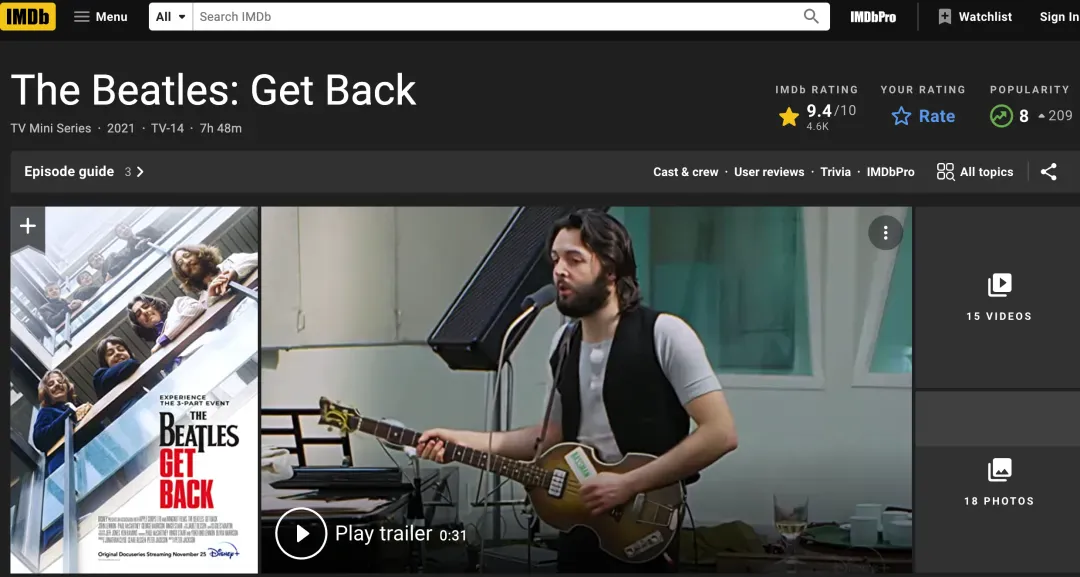
Without question, it is the documentary music fans most need to see this year (Disney+ even includes a full set of official Chinese subtitles), and a lesson in what top-tier production looks like.

On Monday morning, January 13, 1969, only Ringo Starr and Paul McCartney came to the studio. They sat with the crew and chatted.
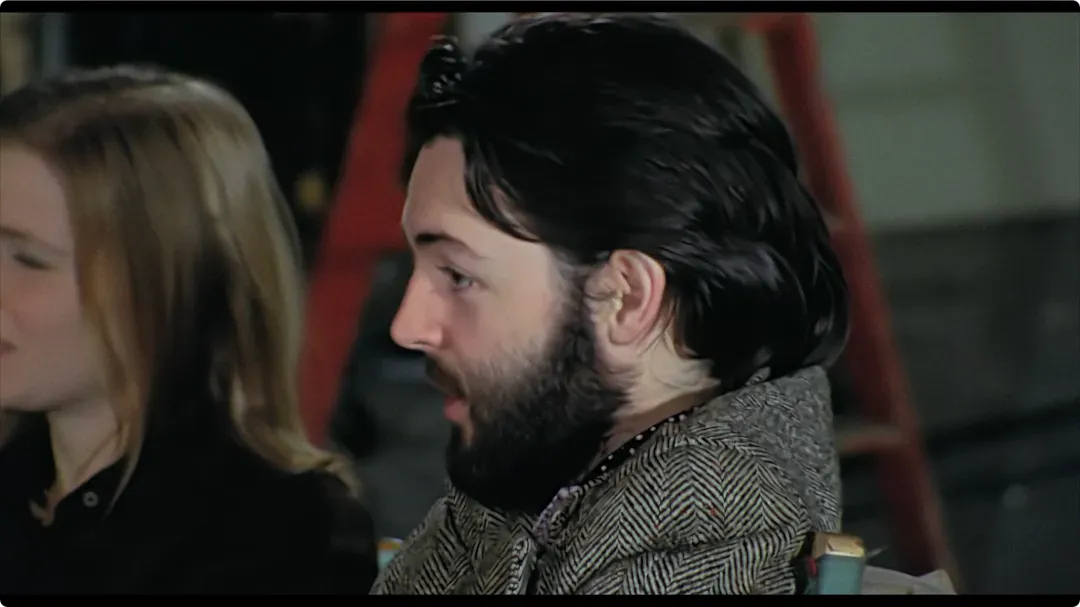
The band was meant to record a live television special the following week, but George Harrison had abruptly announced the previous Friday that he was leaving.
The band members had met over the weekend without reaching an agreement. On Monday morning, John Lennon was missing too, and no one could reach him by phone.
Although George was the one who had left, people started blaming John and Yoko, saying Lennon was neglecting his work and bringing Yoko to rehearsals every day.
Unexpectedly, Paul was the one who stood up for Yoko:
“It’s not that bad. They want to be together, so let them be together. If he had to choose between the Beatles and Yoko, he’d choose Yoko.”
Then he joked, “Fifty years from now, people will say, ‘They broke up because Yoko sat on an amplifier.’ What a ridiculous reason.”
Everyone kept joking and chatting. No one noticed Paul’s eyes welling up; only the camera caught it. Ringo was wiping away tears nearby too.
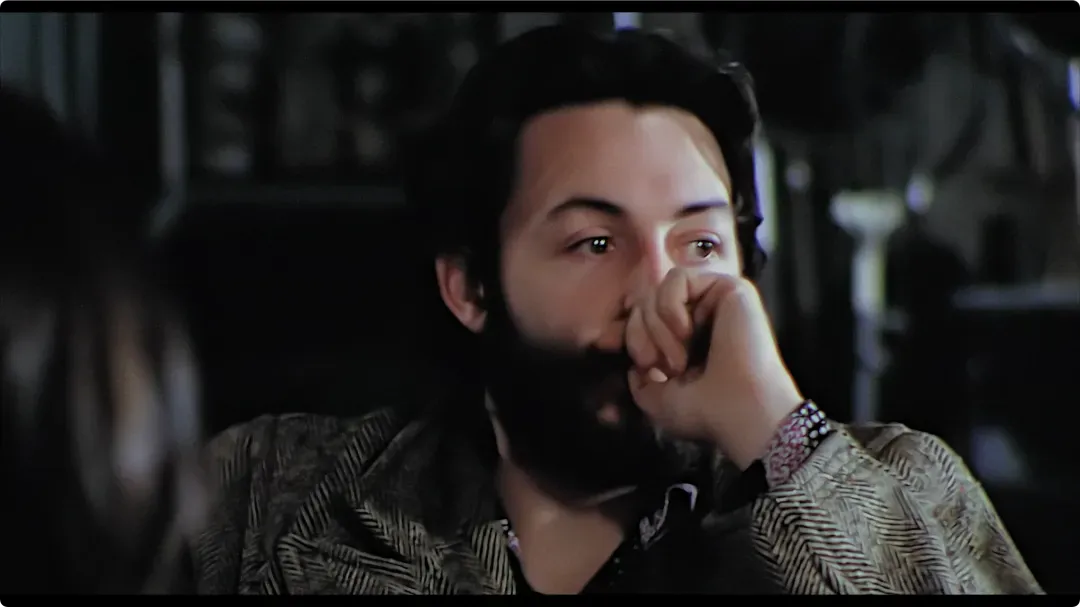
For 50 years, there have been all kinds of stories about why the Beatles broke up.
John and Paul falling out, Paul and Yoko falling out, royalty disputes, drugs, tensions among the band members’ wives, and so on.
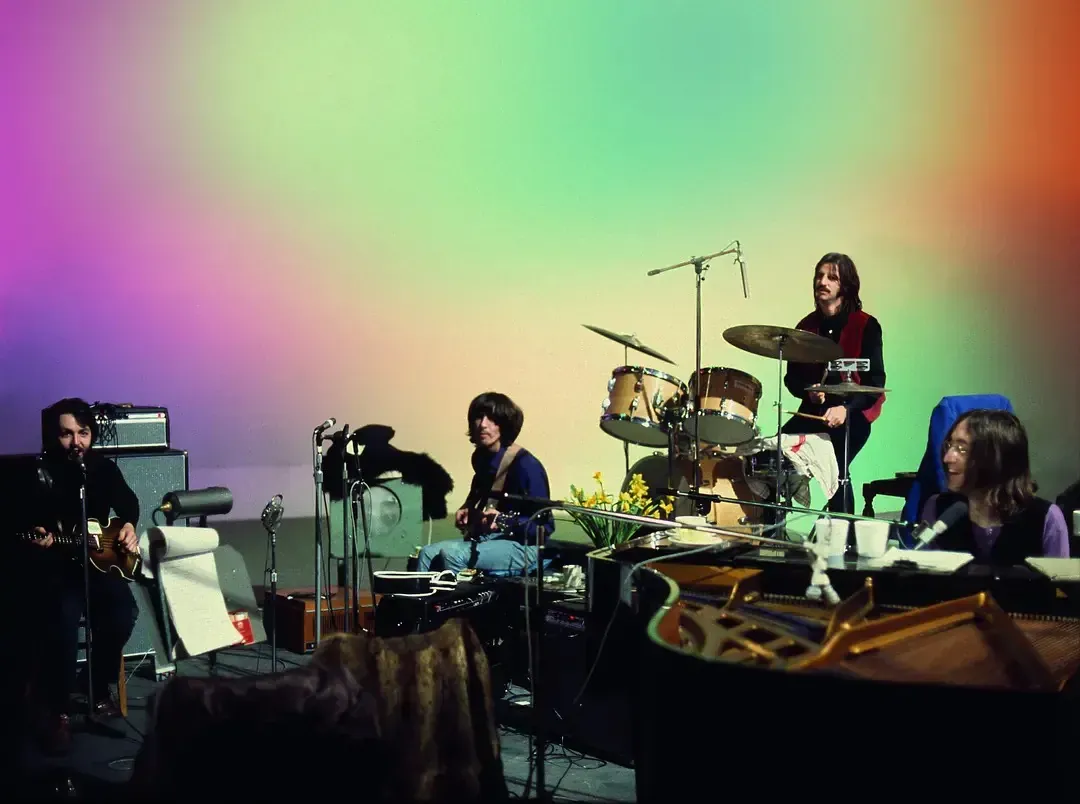
Fifty years later, Lennon and George were gone, while Paul and Ringo had both turned eighty.
No one expected another Beatles documentary, let alone one directed by Peter Jackson, the New Zealander behind The Lord of the Rings and The Hobbit trilogies.
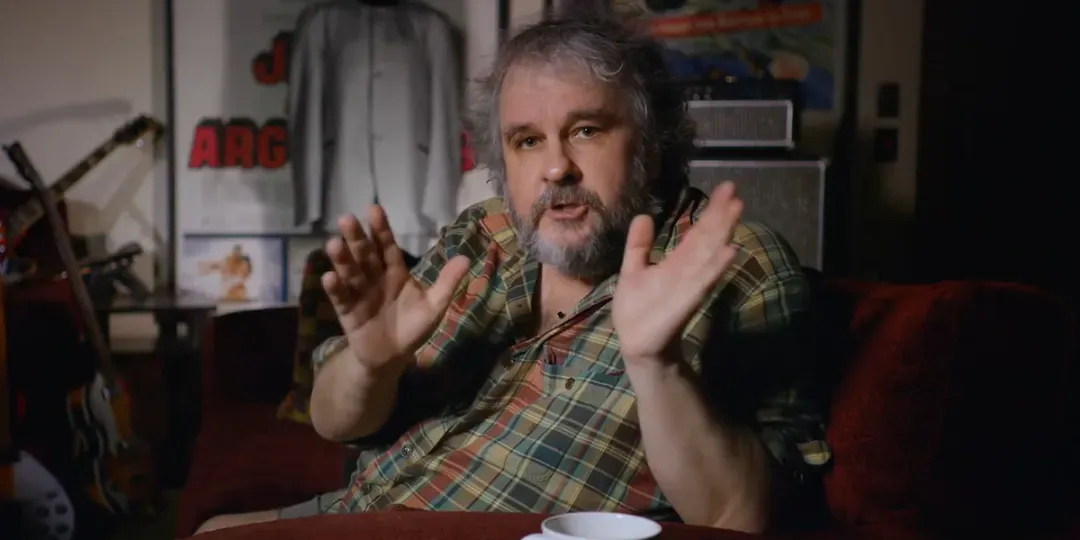
Peter Jackson, the maestro.
Jackson is less a director than a remarkable curator.
He immersed himself in more than 60 hours of raw footage and 150 hours of recordings, spending nearly four years re-editing them into a new documentary.
Unlike Let It Be, the 90-minute documentary assembled from the same material in 1970, The Beatles: Get Back is, in Jackson’s words, “a documentary about a documentary.” It runs nearly eight hours and is split into three parts—just what you would expect from a trilogy specialist.
This is not an extended cut of Let It Be. It gives a more truthful account of how the historically significant 1969 rooftop concert came together, shows the Beatles at work, and even uses editing and visual storytelling to explain why they broke up.
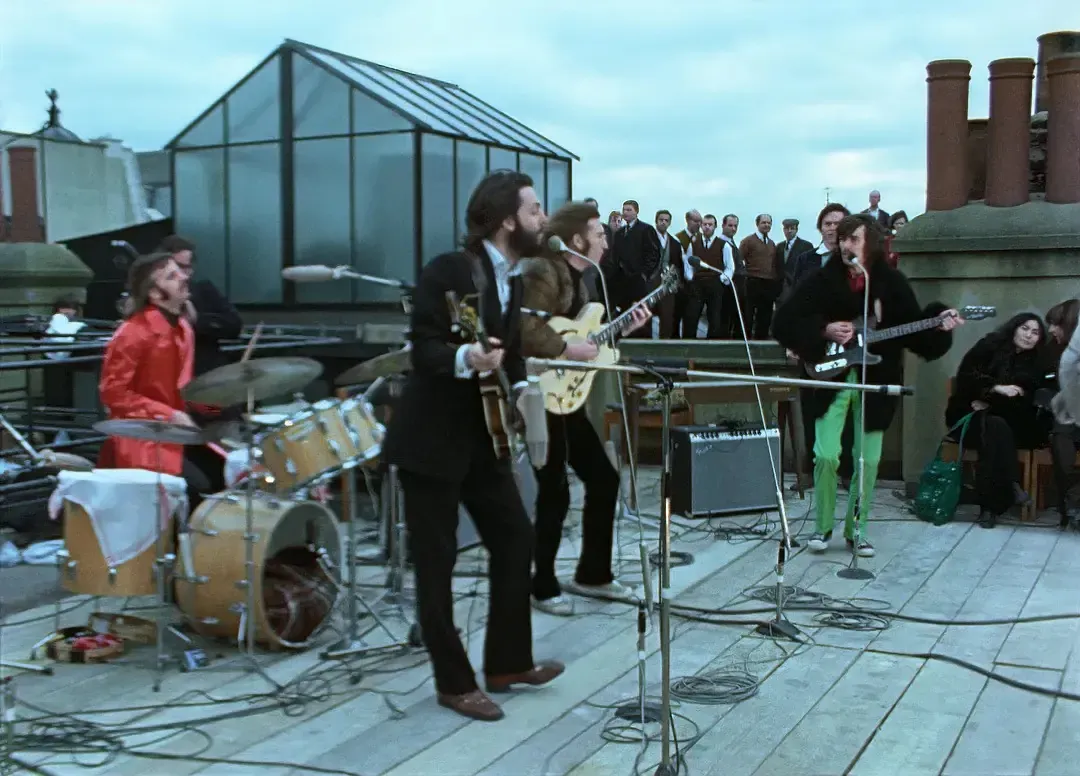

From 1963 to 1966, Beatlemania swept the world. The band toured internationally and made the narrative music films A Hard Day’s Night and Help!.
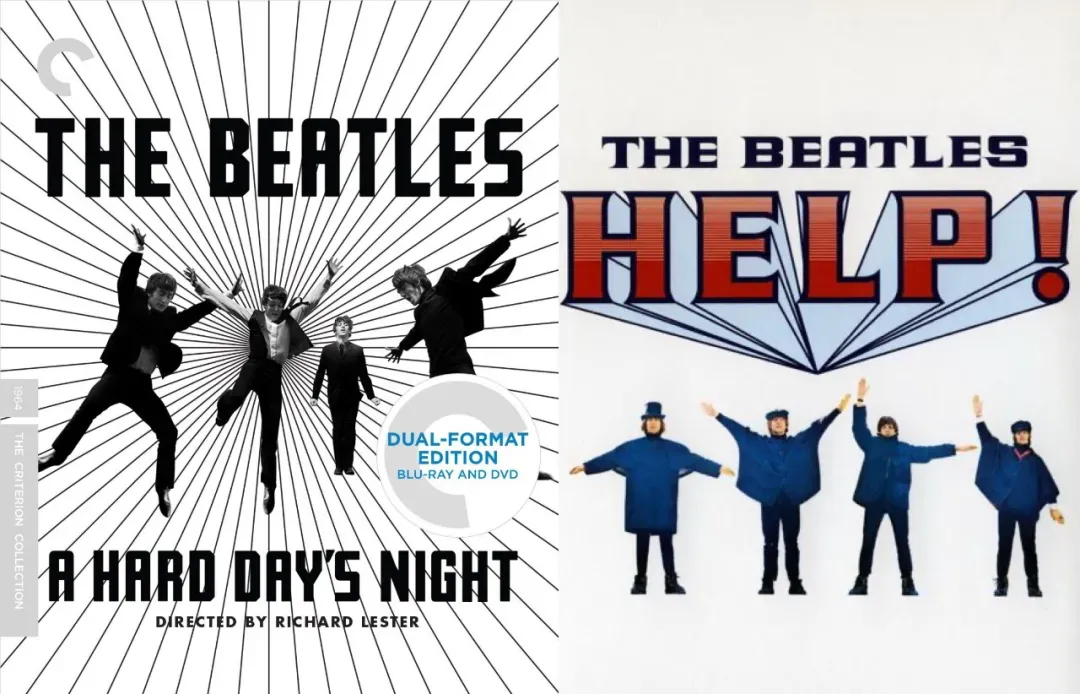
In 1966, the band faced a backlash from conservatives around the world over a provocative album cover and their public remarks.
At the same time, fascinated by new recording technology and tired of touring, they shifted from “the Beatles on stage” to “the Beatles in the studio.”
In August, they gave their last commercial concert.
In 1967, their manager Brian Epstein died, and the band seemed to lose a father figure.
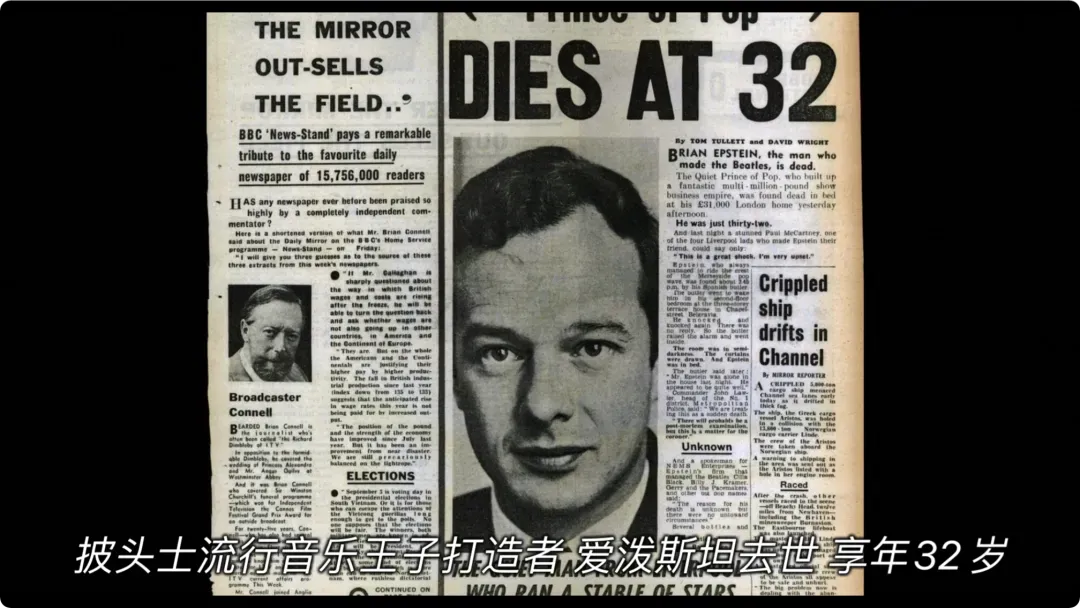
Epstein had been the one to put them in suits, take them out of Liverpool, secure their contract with EMI, and launch them onto the world stage.
Without Epstein, the Beatles were like four children with no one looking after them.
During the recording of 1968’s The White Album, serious friction emerged and relations grew tense. Ringo even left the band for two weeks during this period.
Studio work increasingly centered on individual contributions and complex arrangements rather than the band playing as a group.
After The White Album came out at the end of the year, Paul wanted the band back onstage, hoping live performances could reunite them and ease the tension.
Against this backdrop, the band reunited on January 2, 1969, for the Get Back project. They planned to rehearse intensively for a couple of weeks, write new songs, and perform them on a live television broadcast on January 19.

George Harrison was only 13 when he joined the Quarrymen, the band that preceded the Beatles; John was 16 and Paul 14. George was always treated as the kid brother.
John and Paul were the principal songwriters, but from 1965 onward George also wrote and sang one or two songs on each album.
His songwriting grew rapidly during the touring years. Meeting Bob Dylan and studying the sitar with the Indian master Ravi Shankar helped him develop ideas of his own.
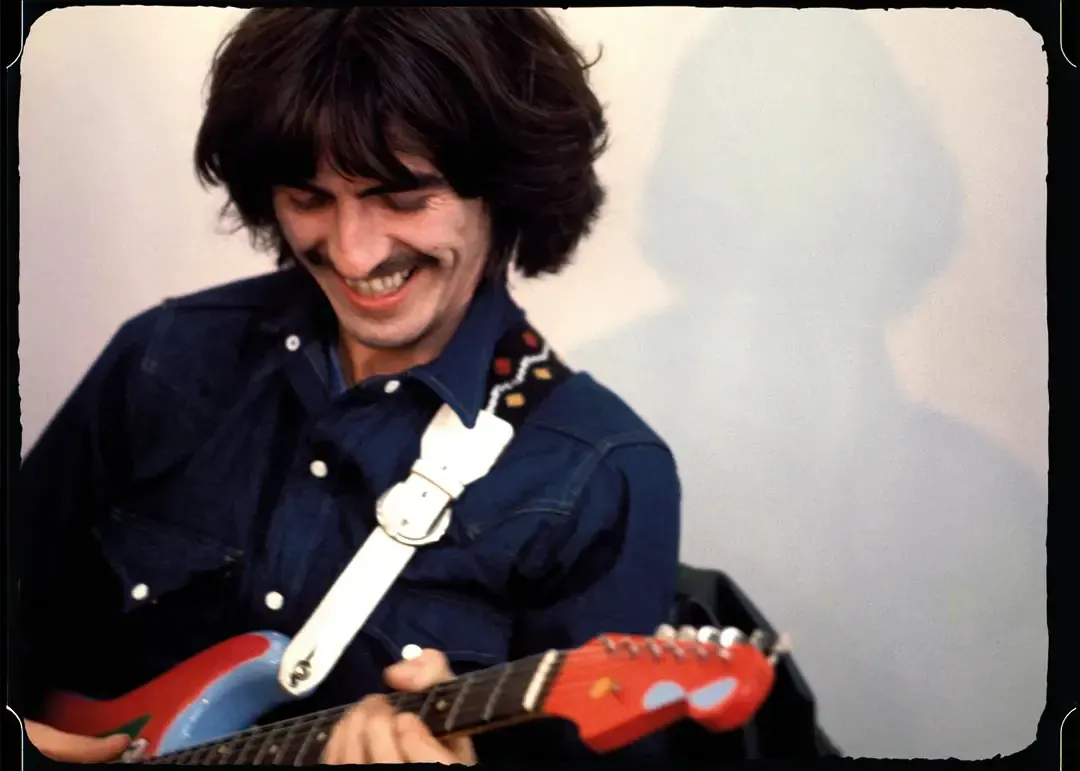
On the second day of rehearsals, George brought in a new song, “All Things Must Pass.”
Its style was nothing like Paul and John’s.
George told Paul, “When you write a song, it feels like I wrote it myself. I hope it’s the same for you in reverse.”
Paul simply answered, “Yeah.”
But when it came to George’s own songs, Paul wanted him to play exactly as Paul envisioned, without adding his own ideas.
George was not happy, but only said, “Tell me how you want me to play and I’ll do it, as long as you’re happy.” John, meanwhile, stuck to his usual nonsense and wisecracks, offering no opinion.
On Friday, January 10, John and Paul spent a long, animated stretch working out the arrangement of “Two of Us.” George quietly played along, watching the two close friends with a hint of sadness.
It is a fine example of Jackson’s editing: he uses the footage deftly and reads the people in it with remarkable sensitivity.
After they finished the song, George calmly said, “I think I’m leaving. I’m leaving the band.” The others went to a restaurant for a private talk, but could not persuade him to stay.
That afternoon, John, Paul, and Ringo returned to the studio, at a loss.
Paul suggested “I’ve Got a Feeling.” John immediately launched into “Don’t Let Me Down,” while Yoko took George’s place and began her signature experimental shrieks.
The first of the five stages of heartbreak: anger.
That is the climax of the first episode, which leaves us with a question: will George come back?

The 1970 documentary Let It Be never mentioned George leaving, the others blaming John and Yoko as described at the start of this article, or Paul’s “fifty years from now” joke. It also contained none of the secretly recorded conversation.
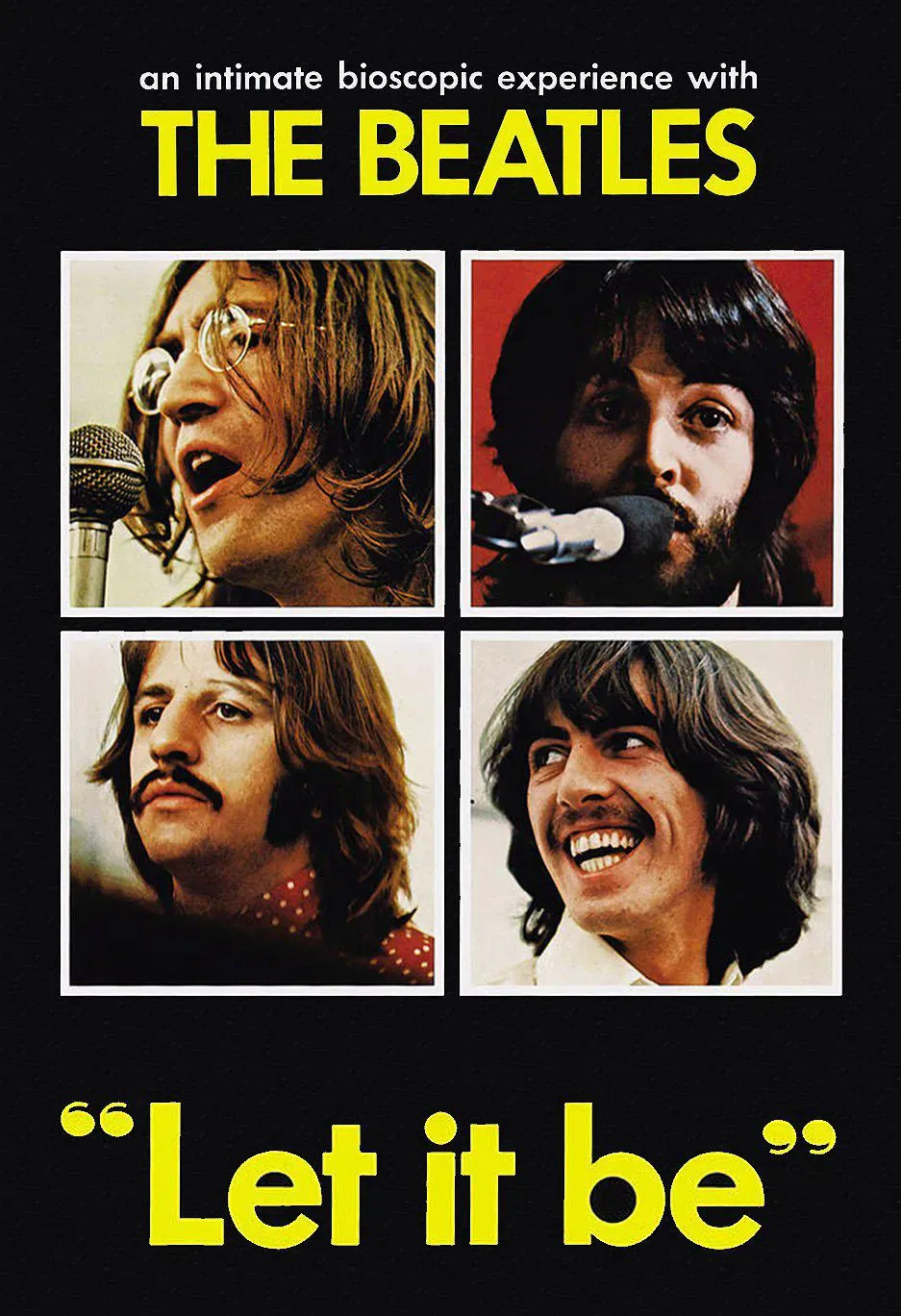
This is the private conversation Paul finally had with John over lunch on January 13. They both admitted they had treated George badly and planned to speak with him again.
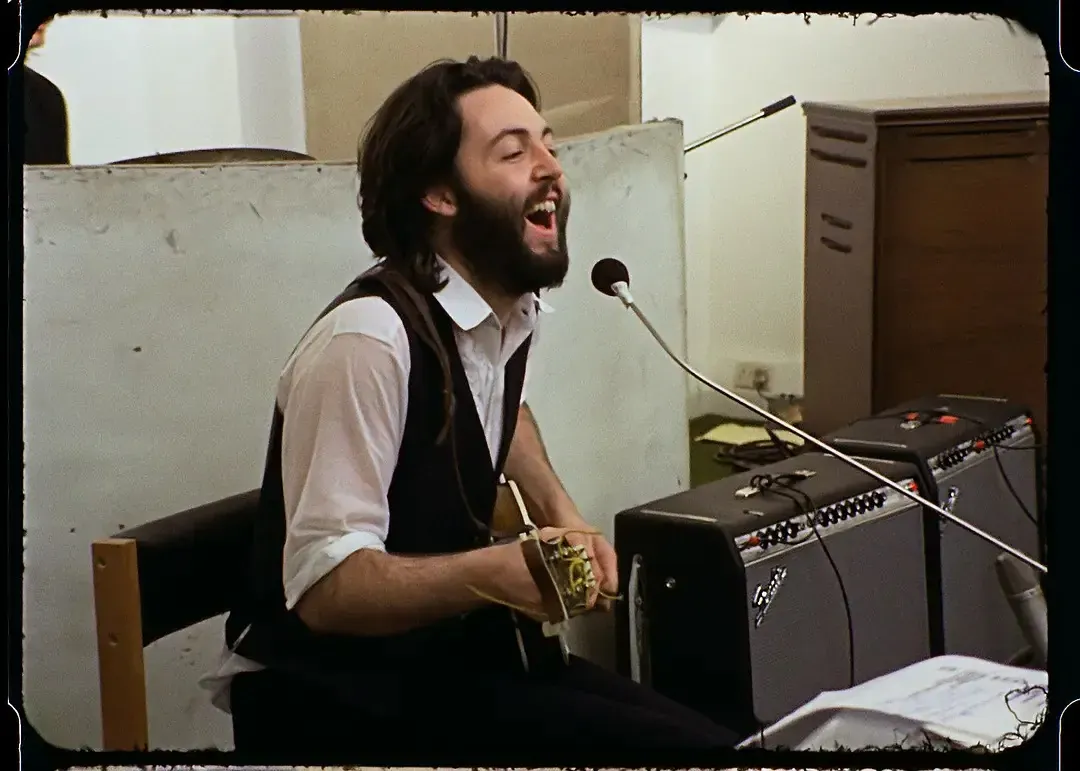
As the project’s organizer, Paul had always emphasized “discipline.”
He felt that since Epstein’s death the band had lost a parental figure who kept them in line—for example, by not allowing girlfriends to come to rehearsals.
He even told John quite seriously, “You need a proper work plan, not to wander aimlessly through the valleys of your mind.”
Paul thought John was the band’s top boss, with himself in second place.
Now he had no idea what the top boss was doing all day with his girlfriend, and he was bound to have complaints. But when your brother is in love, what can you do except wish him well?
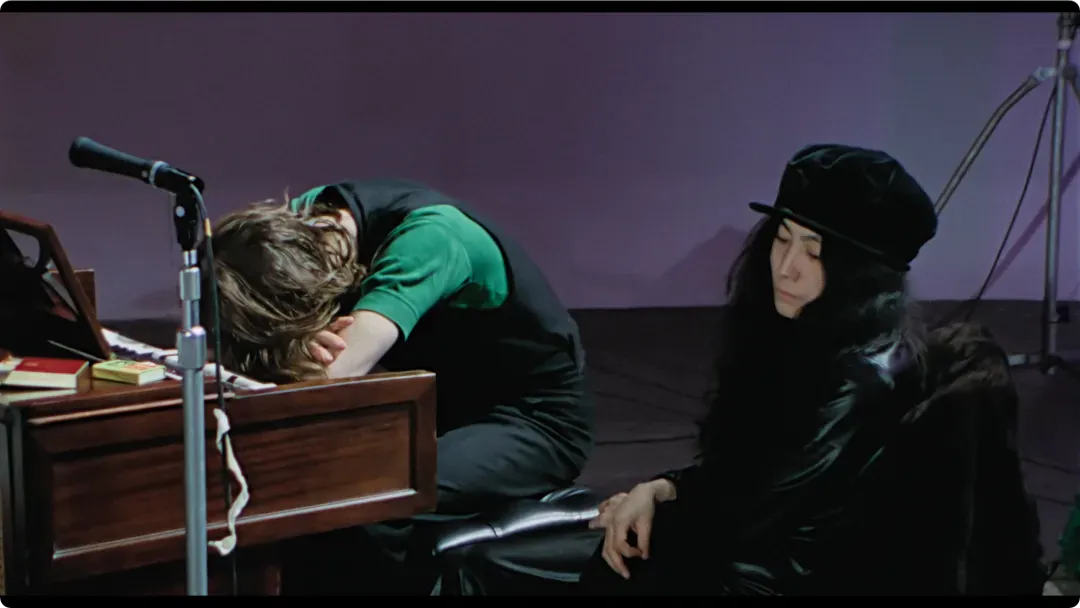
During rehearsals, Yoko Ono was ignored, but impossible to ignore.
Paul was a diligent, serious professional musician. He arrived earliest every day and, as soon as he put down his things, started practicing his new material. He treasured rehearsing with the band and never let a spark of inspiration pass him by.
The making of “Get Back” is a vivid example:
The three were waiting for John. Paul picked up his bass and started improvising. George, yawning in his chair, was drawn in and joined him. Ringo began by clapping along, then soon sat down at the drums. By the time John arrived, the song had taken shape.
When Paul got serious, even Ringo found him tiresome.
But as soon as John started fooling around, Paul could not help joining in. The four of them were happiest covering other people’s songs, revisiting their old ones, or simply improvising.
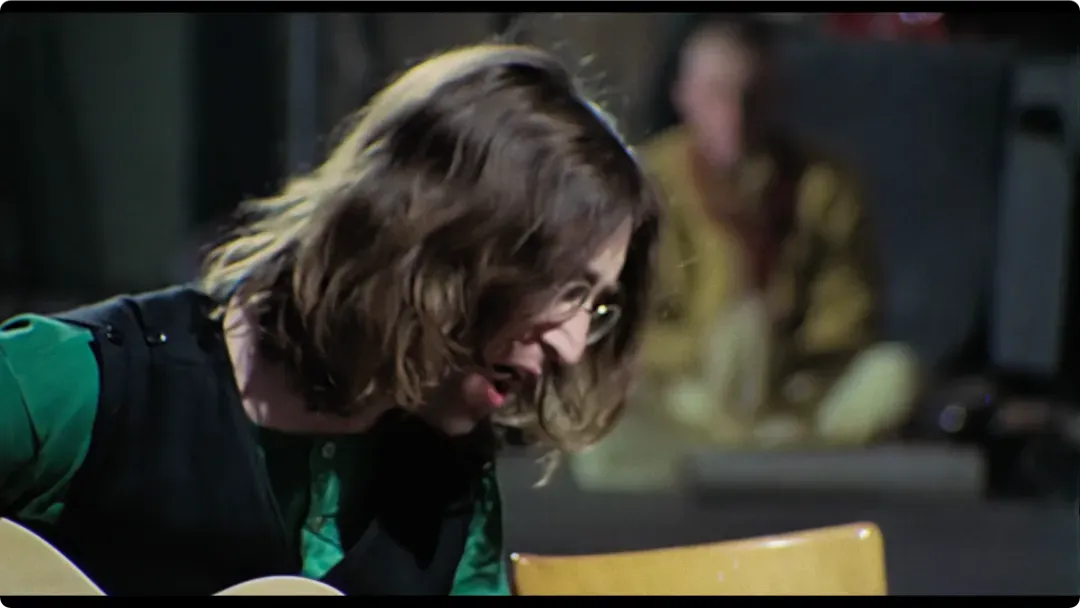
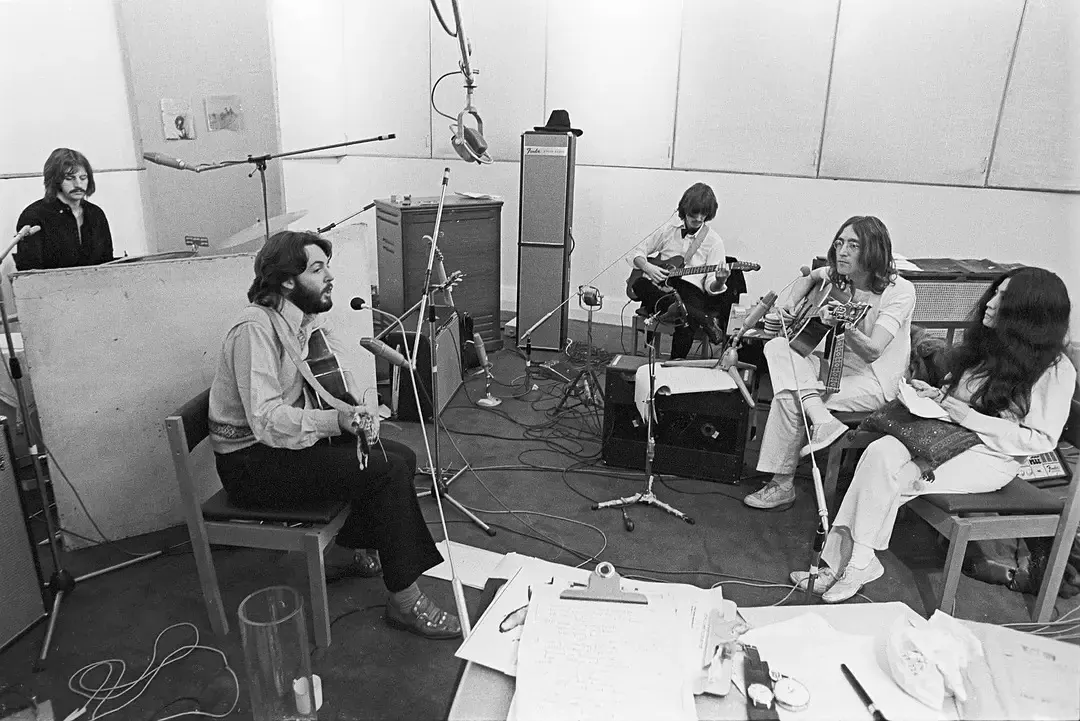
After a second conversation, George returned to the band. Rehearsals moved from the film studio to the recording studio at Apple Corps, the company the Beatles had founded.
Delays pushed the planned television broadcast back by a week, then canceled it altogether. In the end, the project became the famous rooftop concert.
It was also the Beatles’ last public performance.
The others had initially planned to perform and leave it at that, but Paul insisted they polish and record the new songs.

John was in love, of course, but he also brought in terrific songs, was the band’s best prankster, and even looked for their next manager.
And yet Paul was the more domineering one.
Here, John was no leader. He clocked in, then spent his downtime being affectionate with Yoko.
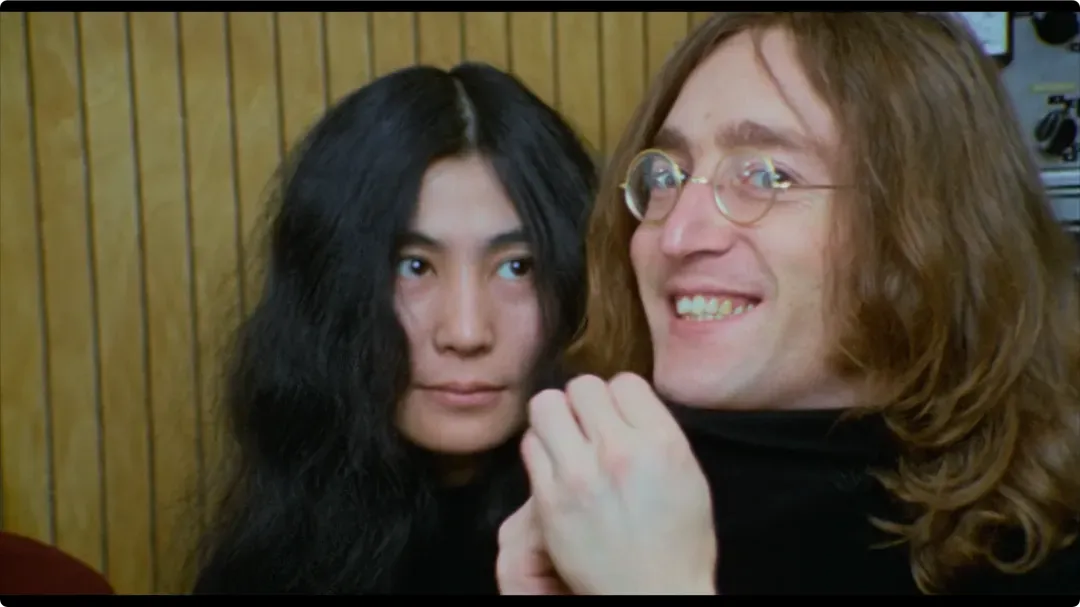
Even when George said he wanted to make a solo album, John had little to say. Perhaps he was already thinking about starting the Plastic Ono Band with Yoko.
Most of the time, Yoko simply sat quietly beside him, gazing at John or reading the paper or a book. She did not initiate conversations; she only showed off her signature screams when the band improvised.
It is hard to imagine someone like that causing a conflict with the band.
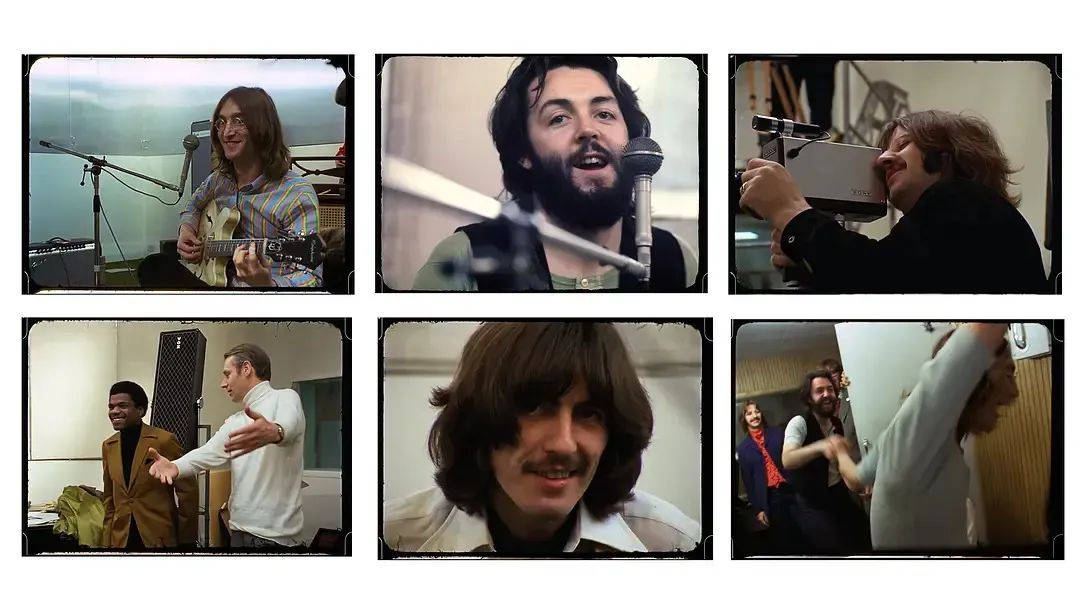
Perhaps he was unwell, or perhaps his mind was on the film he was making. The cheerful Ringo was always the dependable worker: even if he nodded off during one of Paul’s self-indulgent jams, he would wake up and quietly get back to drumming.
He would also shyly bring out his half-finished “Octopus’s Garden” and play it for the others, then finish it with George’s help.

Jackson got the project thanks to the historical restoration skills he had demonstrated in They Shall Not Grow Old.
He used the same “black magic” restoration techniques on this footage, enlarging and restoring the 16mm film shot for television 50 years ago to high definition. The Beatles, then in their late twenties, come alive on screen as they sing those familiar songs right in front of you.
The “secretly recorded” audio mentioned earlier came from a microphone hidden in a flowerpot at the restaurant.
According to the original director, Michael Lindsay-Hogg, now 81, the restaurant noise drowned out John and Paul’s conversation. Modern technology made it possible to separate their voices from the background.
Jackson said, “Making this film was pure joy.” Music fans are lucky to see the most authentic Beatles yet.
They were close and full of conflict, loved one another and loved to fool around.
They were brothers who had played and grown up together since they were boys. Now they were going their separate ways. It was sad, but in the end unavoidable.
The “Apple Corps” mentioned throughout the film was a company the Beatles founded to manage the copyrights to their work.
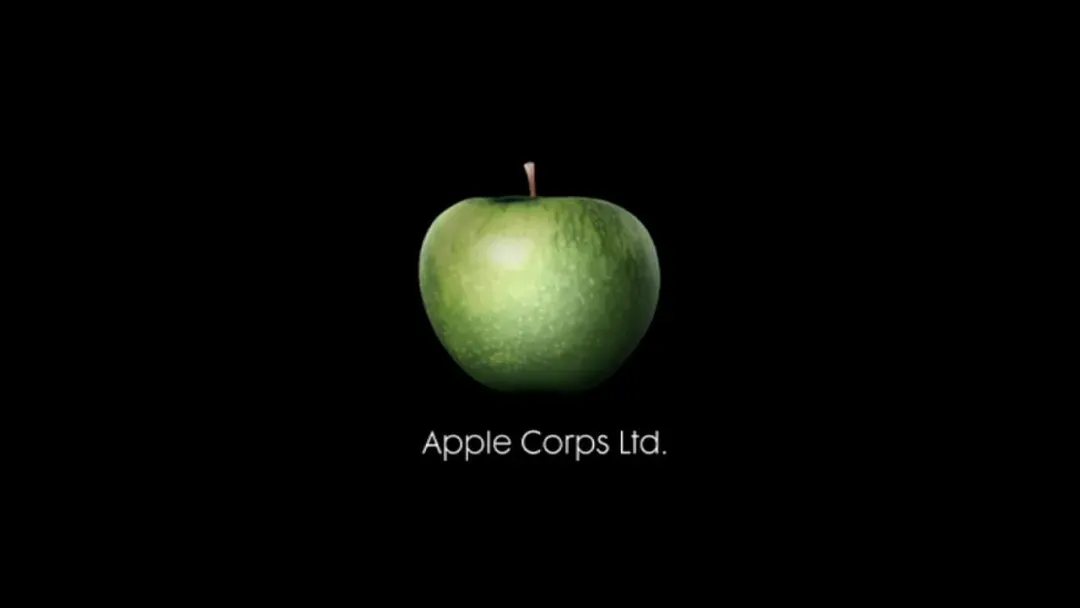
A few years later, two young men named Steve founded another Apple company: Apple Inc.
The two companies fought legal battles for decades, reaching a settlement only in 2007.
In an interview with Bill Gates, Steve Jobs was asked by the host how the two got along.
A devoted Beatles fan, Jobs recited a line from “Two of Us” on the spot:
You and I have memories longer than the road that stretches out ahead.
(Our memories together are longer than the road still ahead of us.)
As in the film’s closing credits, a clip of the Beatles recording this song for the last time appears on screen. It is enough to bring tears to your eyes.
All things must pass.

